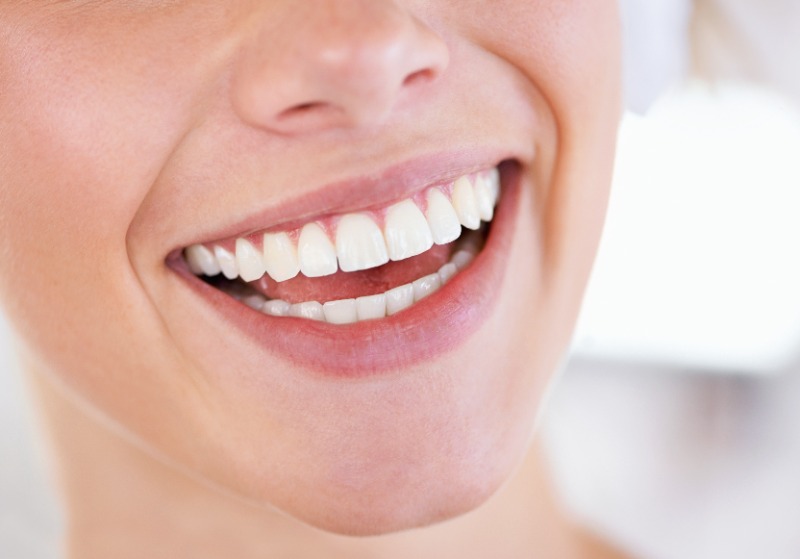

Thinking about veneers? Dr. Tang at Lansdowne Dental Centre explains the porcelain veneer process step-by-step, including preparation, bonding, recovery, cost considerations, and what to expect during a smile makeover in Richmond, BC.
A confident smile can make a huge difference in how people feel about themselves. One of the most popular cosmetic dental treatments today is porcelain veneers — a long-lasting solution that can dramatically improve the appearance of teeth while still looking natural.
Patients often ask:
“What actually happens during a veneer procedure?”
“Do veneers damage your teeth?”
“How long do veneers last?”
In this article, Dr. Tang explains the step-by-step process of getting porcelain veneers and answers some of the most common questions patients have before starting their smile transformation journey.
What Are Porcelain Veneers?
Porcelain veneers are ultra-thin custom-made shells that are bonded to the front surface of teeth to improve their appearance.
They are commonly used to correct:
- Discolored or stained teeth
- Chipped or cracked teeth
- Uneven or worn teeth
- Gaps between teeth
- Mild crowding or asymmetry
- Teeth that appear too small or misshapen
Porcelain veneers are designed to mimic the natural translucency and texture of real teeth, helping patients achieve a brighter and more balanced smile.
Who Is a Good Candidate for Veneers?
Veneers may be a good option for patients who:
- Want a cosmetic smile enhancement
- Have healthy gums and teeth
- Want to improve multiple cosmetic concerns at once
- Are looking for a long-lasting smile solution
- Have realistic expectations about cosmetic dentistry
Patients with severe decay, active gum disease, or major bite issues may require other treatments before veneers are considered.
A consultation with an experienced cosmetic dentist is the best way to determine whether veneers are the right choice.
Step 1: Consultation and Smile Design
The veneer process begins with a detailed consultation.
During this appointment, your dentist evaluates:
- Your smile goals
- Tooth shape and symmetry
- Bite alignment
- Gum health
- Facial balance and smile proportions
Digital photos, X-rays, or digital scans may also be taken to help create a customized smile design.
This stage is important because every veneer treatment should be personalized to the patient’s face, smile, and preferences.
Some patients want a very natural enhancement, while others prefer a brighter “Hollywood smile” appearance.
Step 2: Tooth Preparation
Once the treatment plan is finalized, the teeth are prepared for the veneers.
This usually involves removing a very thin layer of enamel from the front surface of the teeth. The purpose is to create space for the porcelain veneers so they fit naturally and do not appear bulky.
The amount removed is minimal and carefully planned to preserve as much healthy tooth structure as possible.
After preparation, impressions or digital scans are taken and sent to a dental laboratory where the veneers are custom-crafted.
Step 3: Temporary Veneers
In some cases, temporary veneers may be placed while the final porcelain veneers are being made.
Temporary veneers allow patients to:
- Preview their new smile
- Protect the prepared teeth
- Test the appearance and feel of the veneers
Patients can often provide feedback before the final veneers are completed.
Step 4: Custom Porcelain Veneer Fabrication
Each veneer is individually designed based on the patient’s smile goals and facial features.
The dental lab carefully creates veneers that match:
- Tooth shape
- Color and shade
- Proportions
- Natural translucency
The goal is to create veneers that look beautiful while still appearing natural and harmonious with the patient’s face.
Step 5: Veneer Bonding Appointment
Once the final veneers are ready, the patient returns for placement.
Before bonding, the dentist carefully checks:
- Fit
- Shape
- Color
- Bite alignment
Minor adjustments may be made to ensure optimal comfort and aesthetics.
The teeth are then cleaned and prepared for bonding. A strong dental adhesive is used to permanently attach the veneers to the teeth.
A curing light hardens the bonding material, securing the veneers in place.
The veneers are then polished for a smooth and natural-looking finish.
Step 6: Enjoying Your New Smile
One of the biggest benefits of veneers is that patients can see an immediate transformation.
Patients often notice improvements in:
- Smile symmetry
- Tooth color
- Confidence
- Overall facial aesthetics
Porcelain veneers are durable and stain-resistant, but maintaining proper oral hygiene remains very important.
To help veneers last longer, patients should:
- Brush and floss daily
- Attend routine dental checkups and cleanings
- Avoid using teeth to open objects
- Wear a nightguard if they grind their teeth
With proper care, porcelain veneers can last many years.
Frequently Asked Questions About Veneers
Do veneers look natural?
Yes. Modern porcelain veneers are designed to mimic the translucency and texture of natural teeth. When properly designed, veneers can look very natural and blend seamlessly with surrounding teeth.
Do veneers damage your natural teeth?
Veneers require minimal enamel removal, but the procedure is done conservatively to preserve as much healthy tooth structure as possible.
When completed properly by an experienced dentist, veneers are considered a safe and predictable cosmetic dental treatment.
Are veneers painful?
Most patients experience little to no discomfort during the veneer process.
Local anesthetic may be used during tooth preparation to keep patients comfortable.
Some mild sensitivity may occur temporarily after preparation or placement.
How long do porcelain veneers last?
Porcelain veneers can last 10–15 years or longer with proper care and maintenance.
Avoiding excessive force, maintaining good oral hygiene, and attending regular dental visits can help extend their lifespan.
Can veneers stain?
Porcelain veneers are highly stain-resistant compared to natural teeth.
However, maintaining good oral hygiene and limiting excessive staining habits can help preserve their appearance over time.
How many veneers do people usually get?
The number of veneers depends on the patient’s smile goals.
Some patients choose veneers for only one or two teeth, while others may complete a full smile makeover involving 6–10 veneers or more.
Are veneers permanent?
Because a small amount of enamel is removed during preparation, veneers are generally considered an irreversible cosmetic procedure.
What is the difference between veneers and crowns?
Veneers cover only the front surface of the tooth, while crowns cover the entire tooth.
Veneers are typically used for cosmetic improvements, while crowns are often recommended when teeth require more structural support.
Are veneers worth it?
For many patients, veneers can significantly improve smile confidence, appearance, and overall aesthetics.
The best way to determine if veneers are worth it for your situation is through a personalized consultation with a cosmetic dentist.
Considering Veneers in Richmond, BC?
If you are thinking about improving your smile with porcelain veneers, Dr. Tang at Lansdowne Dental Centre can help guide you through the process and create a customized treatment plan tailored to your smile goals.
Whether you are looking for a subtle enhancement or a complete smile transformation, understanding the veneer process is the first step toward achieving the smile you’ve been thinking about.