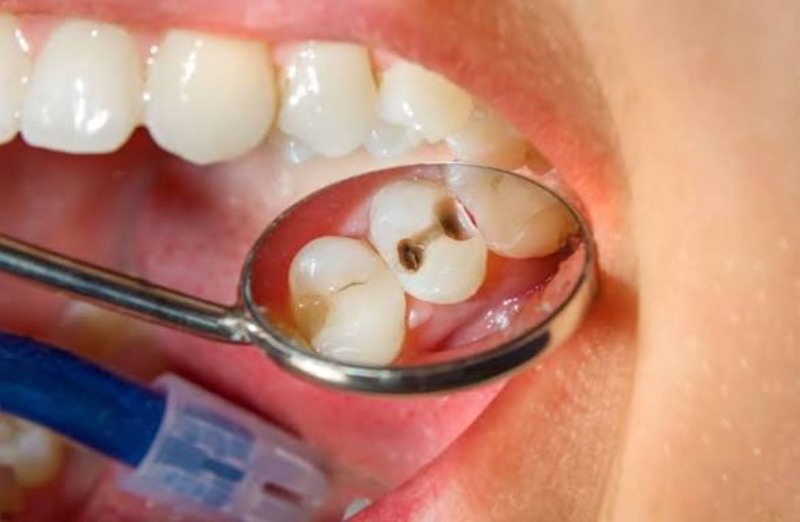

If you've been told you have a cavity, you may wonder how dentists repair teeth while keeping them strong and natural-looking.
Modern dentistry focuses not only on removing decay, but also on preserving the natural shape of your tooth whenever possible.
Dr. Tang, a dentist at Lansdowne Dental Centre in Richmond, British Columbia, uses modern techniques designed to restore teeth in a way that looks natural, feels comfortable, and supports long-term oral health.
Understanding how cavity treatment works can help reduce anxiety and encourage early treatment — when problems are easier to fix.
Watch: How Modern Dentistry Restores Cavities
What Happens When You Have a Cavity?
A cavity forms when bacteria produce acids that slowly damage the outer surface of the tooth.
Without treatment, cavities can grow deeper and lead to:
- Tooth pain
- Infection
- Tooth fractures
- Root canal treatment
- Tooth loss
Early treatment allows dentists to repair the tooth before major damage occurs.
Modern Cavity Treatment Focuses on Preserving Natural Tooth Structure
Today, dentists use techniques that allow them to:
- Remove only damaged areas
- Protect healthy tooth structure
- Restore natural tooth shape
- Maintain proper bite alignment
Preserving the natural contours of the tooth is important because teeth are not flat surfaces — they contain grooves and ridges that help guide chewing and protect surrounding teeth.
By carefully restoring these natural shapes, dentists help maintain both function and comfort.
How Cavities Are Treated: Step-by-Step
At Lansdowne Dental Centre in Richmond, Dr. Tang uses modern restorative methods to make cavity treatment precise and comfortable.
Here’s what typically happens during treatment:
Step 1: Numbing the Tooth
A local anesthetic is used to numb the area.
Most patients feel little to no discomfort during the procedure.
Step 2: Removing the Decay
The damaged portion of the tooth is carefully removed.
Only unhealthy tooth structure is taken out, preserving healthy areas whenever possible.
Step 3: Cleaning and Preparing the Tooth
The area is cleaned to remove bacteria.
Special bonding materials are used to prepare the tooth for filling placement.
Step 4: Restoring the Tooth Shape
A tooth-colored composite material is placed into the cavity.
Dentists carefully shape the material to recreate the natural grooves and contours of the tooth.
Modern techniques — including methods that replicate the original tooth surface — help produce highly accurate results.
Step 5: Hardening and Polishing
A special curing light hardens the material.
The tooth is polished and adjusted to ensure a comfortable bite.
The final result looks and functions like a natural tooth.
Why Restoring Tooth Shape Matters
Restoring the natural anatomy of the tooth is important for several reasons.
Proper tooth shape helps:
- Improve chewing efficiency
- Reduce bite discomfort
- Prevent food trapping
- Protect surrounding teeth
- Extend the life of the filling
Modern restorative dentistry focuses on both function and aesthetics.
Does Getting a Filling Hurt?
One of the most common concerns patients have is discomfort during treatment.
With modern dentistry:
Most cavity fillings are comfortable and quick.
Patients typically experience:
- Minimal discomfort
- Mild pressure sensations
- Fast recovery
Some sensitivity after treatment is normal but usually temporary.
Signs You May Have a Cavity
Not all cavities cause pain immediately.
Common warning signs include:
- Sensitivity to cold or sweets
- Pain when biting
- Visible dark spots on teeth
- Rough areas on the tooth
- Food getting stuck in certain areas
Regular dental visits help detect cavities early — before symptoms worsen.
Why Early Treatment Is Important
Small cavities are easier and less invasive to treat.
Delaying treatment may lead to:
- Larger fillings
- Tooth fractures
- Root canal treatment
- Tooth loss
Routine exams allow dentists to detect problems early and preserve tooth structure.
Tooth-Colored Fillings: A Modern Solution
Most modern cavity treatments use tooth-colored composite materials, which offer several advantages.
These fillings:
- Blend naturally with your teeth
- Bond securely to tooth structure
- Require less removal of healthy tooth
- Provide durable restoration
- Improve overall appearance
They are widely used in modern restorative dentistry.
Why Patients in Richmond Choose Dr. Tang
Patients trust Dr. Tang at Lansdowne Dental Centre in Richmond for restorative dental care because of:
- Modern dental technology
- Gentle treatment approach
- Focus on preserving natural teeth
- Clear patient education
- Convenient Richmond location
Modern dentistry is designed to protect your natural smile whenever possible.
When Should You See a Dentist?
You should schedule a dental visit if:
- You feel tooth sensitivity
- You notice visible holes or stains
- You experience pain while chewing
- It's been more than 6 months since your last exam
Early diagnosis allows for simpler, more conservative treatment.
Book a Consultation with Dr. Tang in Richmond, BC
If you suspect you may have a cavity or are experiencing tooth sensitivity, early care can protect your smile and prevent future complications.
For a more detailed, step-by-step walkthrough of how dentists rebuild a tooth's natural shape, you can also read Dr. Tang's guide to restoring cavities....
Dr. Tang at Lansdowne Dental Centre in Richmond, British Columbia, provides modern cavity treatment designed for comfort, function, and long-term results.
Richmond, British Columbia
📞 Contact the clinic today to schedule your dental exam.