

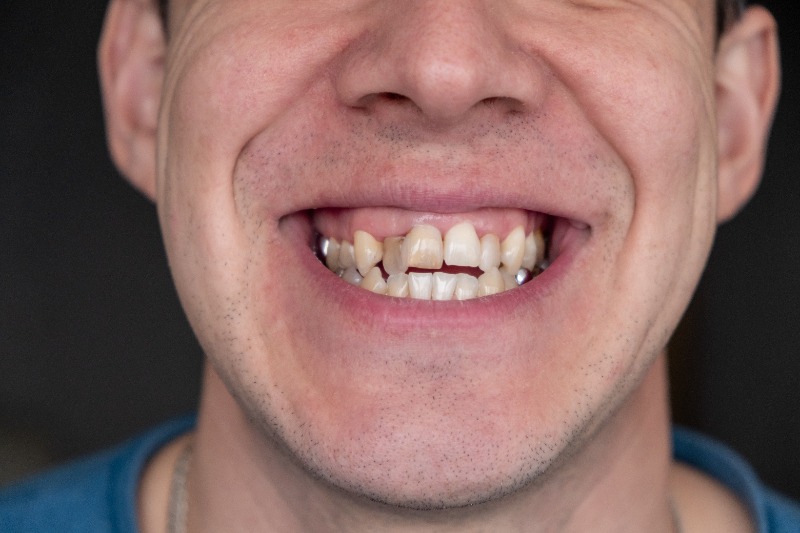

A badly decayed front tooth can affect much more than just your smile. It can impact your confidence, your ability to eat comfortably, and even the long-term health of surrounding teeth.
The good news is that in many cases, a severely damaged front tooth can still be restored instead of extracted. One common treatment option is a composite restoration, which uses tooth-colored materials to rebuild the tooth and improve both function and appearance.
At Lansdowne Dental Centre, Richmond dentist Dr. Tang often helps patients restore damaged front teeth using modern cosmetic and restorative dental techniques.
What Is a Composite Restoration?
A composite restoration is a procedure where a dentist carefully removes decay and rebuilds the tooth using a durable tooth-colored resin material. The material is shaped and polished to blend naturally with your surrounding teeth.
Composite restorations are commonly used for:
- Cavities in front teeth
- Chipped or fractured teeth
- Worn teeth
- Severely decayed teeth
- Cosmetic improvements
Because the material matches the natural shade of your teeth, the final result often looks very natural.
Can a Badly Decayed Front Tooth Really Be Saved?
In many situations, yes. Even when a front tooth appears severely damaged, modern dentistry may still allow the tooth to be restored depending on:
- How much healthy tooth structure remains
- Whether the nerve of the tooth is affected
- The condition of the surrounding gums and bone
- Overall oral health
Every case is different, which is why a professional dental examination and X-rays are important before deciding on treatment.
What Happens During the Procedure?
The process typically involves:
- Examining the tooth and taking X-rays if needed
- Removing damaged or decayed areas
- Cleaning and preparing the tooth
- Applying layers of tooth-colored composite material
- Shaping and polishing the restoration for a natural appearance
In some cases, additional treatments such as a root canal or crown may also be recommended if the decay is extensive.
Benefits of Composite Restorations
Patients often choose composite restorations because they:
- Blend naturally with surrounding teeth
- Help preserve natural tooth structure
- Can often be completed in one visit
- Improve appearance and function
- Are minimally invasive compared to other treatments
Signs You Should See a Dentist
You should book a dental examination if you notice:
- Visible dark spots or holes in a tooth
- Pain or sensitivity
- A chipped or broken front tooth
- Swelling around the gums
- Difficulty biting or chewing
- Changes in the appearance of a tooth
Early treatment can often prevent more extensive dental procedures later.
Frequently Asked Questions
Is composite restoration permanent?
Composite restorations are durable, but like all dental work, they may eventually need maintenance or replacement over time depending on wear and oral hygiene.
Does the procedure hurt?
Most patients experience little to no discomfort during the procedure. Local anesthetic may be used to keep the treatment comfortable.
How long does a composite restoration last?
With proper care, composite restorations can last many years. Regular brushing, flossing, and dental checkups help extend their lifespan.
Can composite restorations look natural?
Yes. Modern composite materials are designed to closely match the color and appearance of natural teeth.
Richmond Composite Restoration Dentist
If you have a badly decayed or damaged front tooth, treatment options may still be available to restore your smile.
Dr. Tang and the team at Lansdowne Dental Centre provide restorative and cosmetic dental treatments for patients in Richmond and surrounding areas.