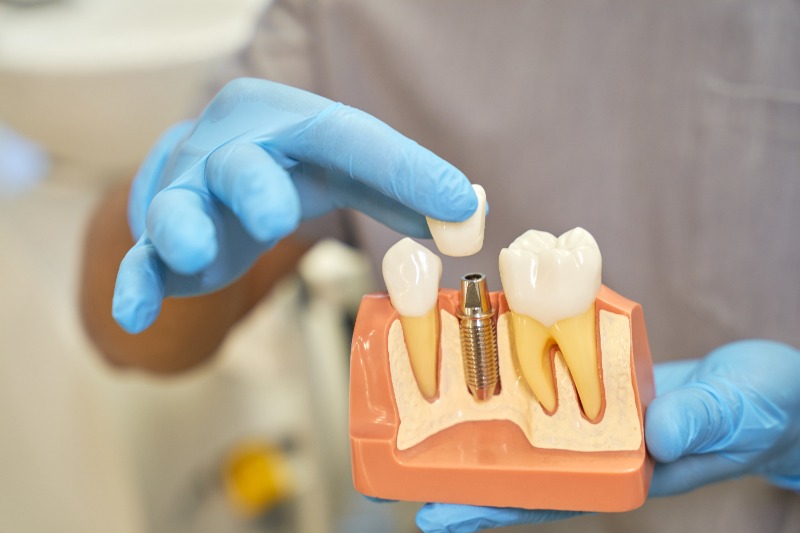

If your dentist has recommended a dental crown, you may be wondering:
What exactly is a crown, and why would I need one?
A dental crown is one of the most common and effective restorative dental treatments used to protect, strengthen, and restore damaged teeth. Whether a tooth is cracked, weakened after a root canal, severely decayed, or cosmetically worn down, a crown can help restore both function and appearance.
At English Bay Dental Group, Dr. Alam helps patients in Vancouver restore their smiles with custom dental crowns designed to look natural and feel comfortable.
What Is a Dental Crown?
A dental crown is a custom-made “cap” that covers the entire visible portion of a tooth. It is designed to restore the tooth’s:
- Shape
- Strength
- Size
- Appearance
- Function
Think of a crown as a protective shell that fits over a damaged or weakened tooth to help preserve it long term.
Dental crowns are carefully designed to blend in naturally with your surrounding teeth, making them both functional and aesthetic.
Why Would You Need a Dental Crown?
There are several reasons your dentist may recommend a crown.
Common Reasons for Dental Crowns
1. Large Cavities or Tooth Decay
When a tooth has extensive decay and a filling alone is not strong enough, a crown may be needed to protect the remaining tooth structure.
2. Cracked or Broken Teeth
Crowns help hold weakened teeth together and reduce the risk of further fracture.
3. After a Root Canal
Teeth that have had root canal treatment can become brittle over time. A crown helps strengthen and protect the tooth.
4. Worn Down Teeth
Grinding or years of wear can weaken teeth. Crowns help restore proper shape and function.
5. Cosmetic Smile Improvements
Crowns can improve the appearance of discolored, misshapen, or uneven teeth.
6. Dental Implants
Crowns are placed on top of dental implants to replace missing teeth.
What Are Dental Crowns Made Of?
Modern dental crowns can be made from different materials depending on the location of the tooth, aesthetics, and strength needed.
Common Crown Materials
Porcelain or Ceramic Crowns
- Natural-looking appearance
- Popular for front teeth
- Blends well with surrounding teeth
Zirconia Crowns
- Extremely strong and durable
- Excellent for back teeth
- Also highly aesthetic
Porcelain-Fused-to-Metal Crowns
- Combines strength and aesthetics
- Less commonly used today compared to all-ceramic options
At English Bay Dental Group, Dr. Alam will recommend the best crown material based on your specific needs.
What Happens During a Dental Crown Procedure?
Getting a dental crown usually takes two appointments.
First Appointment
During the first visit:
- The tooth is examined and prepared
- Any decay or damage is removed
- The tooth is reshaped
- Digital scans or impressions are taken
- A temporary crown is placed
Second Appointment
At the second visit:
- The custom crown is checked for fit and appearance
- Adjustments are made if needed
- The crown is permanently cemented into place
Once completed, the crown should feel comfortable and function like a natural tooth.
How Long Do Dental Crowns Last?
With proper care, dental crowns can often last:
- 10–15 years
- Sometimes even longer
The lifespan depends on factors such as:
- Oral hygiene
- Grinding or clenching habits
- Diet
- Regular dental visits
How to Care for a Dental Crown
Dental crowns still require good oral hygiene to protect the surrounding gums and tooth structure.
Tips to Maintain Your Crown
- Brush twice daily
- Floss carefully around the crown
- Avoid chewing ice or very hard foods
- Wear a night guard if you grind your teeth
- Visit your dentist regularly for exams and cleanings
Are Dental Crowns Painful?
Most patients are surprised at how comfortable the procedure is.
The area is numbed during treatment, and mild sensitivity afterward is usually temporary. Many people return to normal activities the same day.
Frequently Asked Questions About Dental Crowns
Does a crown look natural?
Yes. Modern crowns are designed to closely match the shape and color of your natural teeth.
Can a crown fall off?
Although uncommon, crowns can loosen over time. If this happens, contact your dentist as soon as possible.
Is getting a crown better than pulling a tooth?
Whenever possible, preserving your natural tooth is usually the preferred option.
Can you eat normally with a crown?
Yes. Once the permanent crown is placed, you can typically eat normally again.
Do crowns get cavities?
The crown itself cannot decay, but the tooth underneath still can if oral hygiene is neglected.
How do I know if I need a crown?
Signs may include:
- Cracked teeth
- Large fillings
- Pain when chewing
- Severe wear
- Teeth weakened after root canal treatment
A dental examination and X-rays can help determine if a crown is the right solution.
Dental Crowns in Vancouver
If you have a damaged, cracked, or weakened tooth, a dental crown may help restore your smile and protect your oral health long term.
Dr. Alam at English Bay Dental Group provides personalized dental care and restorative treatments for patients in Vancouver, BC.