
Losing a tooth can affect more than just your smile. A missing tooth can make it harder to chew, impact your speech, and cause neighboring teeth to shift over time. Fortunately, there are several ways to replace a missing tooth, and a dental bridge remains one of the most reliable and widely used solutions.
If you've recently lost a tooth due to injury, decay, or gum disease, understanding what a dental bridge is can help you make an informed decision about restoring your smile.
What Is a Dental Bridge?
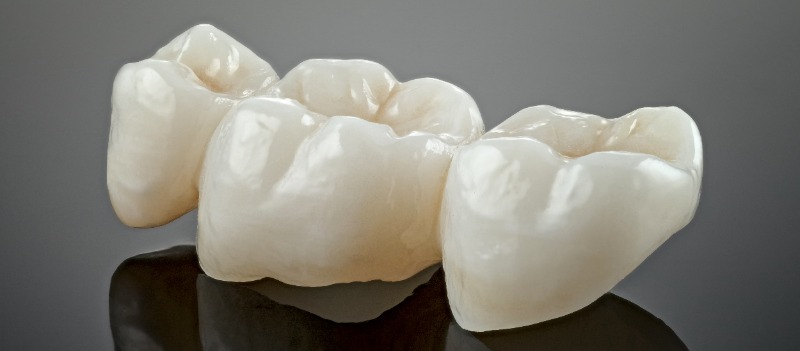
A dental bridge is a fixed dental restoration used to replace one or more missing teeth. It literally "bridges" the gap left by a missing tooth by using the healthy teeth on either side for support. The replacement tooth, called a pontic, is attached to crowns placed on the neighboring teeth.
Unlike removable dentures, a dental bridge is permanently cemented into place and functions much like a natural tooth.
How Does a Dental Bridge Work?
When a tooth is missing, the surrounding teeth can begin to drift into the empty space. This can affect your bite, increase wear on other teeth, and make cleaning more difficult.
A dental bridge restores the missing tooth by:
- Filling the gap in your smile
- Supporting proper chewing function
- Improving speech
- Preventing neighboring teeth from shifting
- Restoring confidence in your smile
The bridge is custom-made to match the shape, size, and color of your natural teeth for a seamless appearance.
Types of Dental Bridges
Traditional Dental Bridge
This is the most common type of bridge. Crowns are placed on the teeth adjacent to the gap, and the replacement tooth is attached between them.
Maryland Bridge
A Maryland bridge uses metal or porcelain wings bonded to the backs of adjacent teeth instead of full crowns. This option is often used for front teeth.
Cantilever Bridge
A cantilever bridge is supported by a tooth on only one side of the gap. It is used less frequently today and is suitable only in specific situations.
Implant-Supported Bridge
Instead of relying on natural teeth for support, this type of bridge is anchored to dental implants. It is commonly used when multiple teeth are missing.
When Is a Dental Bridge a Good Option?
A dental bridge may be recommended when:
- You are missing one or more teeth
- The teeth beside the gap are healthy enough to support a bridge
- You want a non-removable solution
- You are not a candidate for dental implants
- You prefer a faster treatment option than implants
Many patients choose a bridge because it restores function and appearance without requiring oral surgery.
Benefits of a Dental Bridge
Restores Your Smile
A dental bridge fills the gap left by a missing tooth and helps maintain a natural-looking smile.
Improves Chewing and Speaking
Missing teeth can make eating and speaking more challenging. A bridge restores normal function and comfort.
Prevents Teeth from Shifting
When a tooth is lost, neighboring teeth often drift into the empty space. A bridge helps maintain proper alignment.
Faster Than Dental Implants
Unlike implants, which may require several months of healing, a bridge can often be completed in just a few appointments.
Dental Bridge vs Dental Implant
Patients often ask whether they should choose a dental bridge or a dental implant.
A dental bridge relies on neighboring teeth for support, while a dental implant replaces the entire tooth root and crown independently. Dental implants help preserve jawbone and do not require modification of adjacent teeth. However, they involve surgery and typically require a longer treatment timeline.
A dental bridge may be a better choice when:
- Surgery is not desired
- Treatment needs to be completed sooner
- Budget considerations are important
- Adjacent teeth already require crowns
The best option depends on your oral health, bone structure, and long-term goals.
How Long Does a Dental Bridge Last?
With proper care, a dental bridge can last many years. Maintaining excellent oral hygiene and attending regular dental checkups are essential for protecting both the bridge and the supporting teeth.
Caring for Your Dental Bridge
To maximize the lifespan of your bridge:
- Brush twice daily
- Floss carefully around the bridge
- Attend regular dental examinations
- Avoid chewing excessively hard objects
- Maintain healthy gums and supporting teeth
Good oral hygiene is one of the most important factors in long-term bridge success.
Don't Ignore a Missing Tooth
Many people assume that losing a single tooth is only a cosmetic issue. In reality, even one missing tooth can affect your bite, oral health, and long-term dental stability.
A dental bridge offers a proven solution that restores appearance, function, and confidence while helping protect the rest of your smile.
If you have a missing tooth and are exploring your replacement options, speaking with a dentist can help determine whether a dental bridge is the right choice for your needs.
About Dr. Tang
Dr. Tang and the team at Lansdowne Dental Centre in Richmond provide comprehensive restorative dentistry solutions, including dental bridges, crowns, dentures, and dental implants. Their goal is to help patients restore healthy, functional, and confident smiles through personalized treatment plans.