

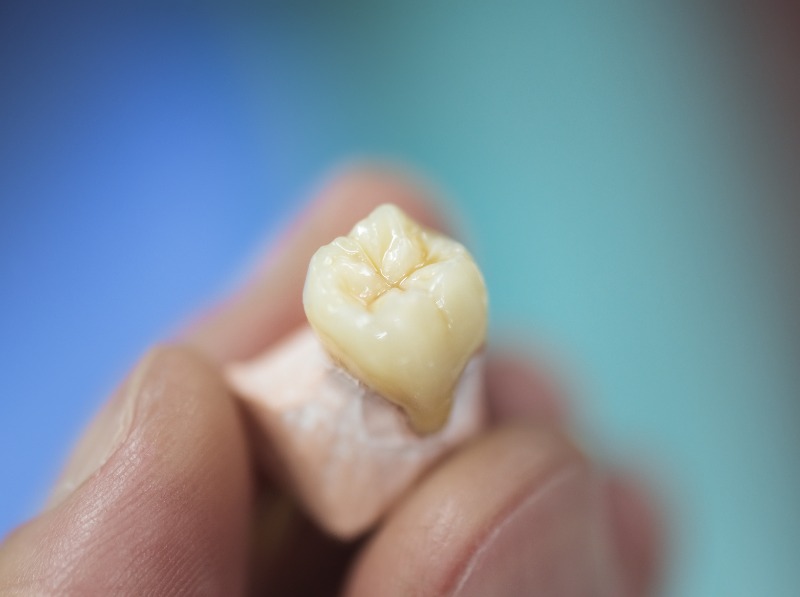

What Is a Dental Crown?
A dental crown is a custom-made cap that covers and protects a damaged tooth. It restores the tooth’s strength, shape, and function while helping prevent fractures or tooth loss.
Crowns are typically made from durable materials such as:
- Porcelain or ceramic (most natural-looking)
- Porcelain fused to metal
- Zirconia
- Gold or metal alloys
Most modern crowns—especially in cosmetic and general dentistry—are made from ceramic or zirconia, which closely resemble natural teeth.
Why Would a Dentist Recommend a Crown?
Your dentist may recommend a crown when a tooth is too weak or damaged to be repaired with a filling alone.
According to Dr. Tang, common reasons you may need a crown include:
1. After a Root Canal Treatment
One of the most common reasons for needing a crown is after a root canal.
After a root canal:
- The tooth becomes more brittle
- It loses internal structure
- It is more likely to fracture
A crown protects the tooth and significantly extends its lifespan.
Without a crown, the tooth may crack—sometimes beyond repair.
2. A Large Filling Has Weakened the Tooth
If a tooth has a very large filling, there may not be enough natural tooth structure left to support chewing pressure.
Signs this may apply to you:
- You have an old large filling
- The tooth feels weak
- The edges of the filling are breaking down
A crown helps reinforce the remaining tooth and prevents fractures.
3. A Cracked or Broken Tooth
Teeth can crack due to:
- Biting hard foods
- Teeth grinding (bruxism)
- Trauma or injury
- Aging dental work
Even small cracks can worsen over time. A crown holds the tooth together and prevents the crack from spreading.
4. Severe Tooth Wear
Teeth that are worn down from grinding or acid erosion may need crowns to rebuild strength and restore function.
Common causes include:
- Teeth grinding
- Acid reflux
- Frequent acidic foods
- Heavy bite pressure
Crowns restore the tooth’s original shape and height.
5. Cosmetic or Structural Restoration
Crowns may also be used to improve:
- Severely discolored teeth
- Misshaped teeth
- Teeth with structural defects
They provide both functional protection and cosmetic improvement.
What Happens If You Don’t Get a Crown?
Many patients delay treatment because the tooth doesn’t hurt yet. However, waiting can increase the risk of serious complications.
Without a crown, a damaged tooth may:
- Crack suddenly
- Break below the gum line
- Become infected
- Require extraction
- Need a dental implant later
In many cases, placing a crown early prevents more costly treatment in the future.
Does Every Tooth With a Root Canal Need a Crown?
In most cases—yes, especially for back teeth.
Molars and premolars handle heavy chewing pressure, making them more likely to fracture after root canal treatment.
Front teeth may not always require crowns, depending on:
- Bite forces
- Remaining tooth structure
- Cosmetic needs
Your dentist will evaluate each case individually.
How Long Does a Dental Crown Last?
With proper care, dental crowns can last:
- 10 to 15 years on average
- Sometimes 20 years or longer
Longevity depends on:
- Oral hygiene habits
- Grinding or clenching
- Diet
- Regular dental visits
What Is the Process for Getting a Crown?
Modern dental crowns are typically completed in two visits.
Visit 1 — Tooth Preparation
During the first visit:
- The damaged portion of the tooth is removed
- The tooth is shaped
- Digital scans or impressions are taken
- A temporary crown is placed
Visit 2 — Final Crown Placement
At the second visit:
- The custom crown is bonded into place
- Bite and fit are adjusted
- The tooth is restored to full function
Some clinics also offer same-day crowns using digital technology.
Is Getting a Crown Painful?
Most patients experience minimal discomfort during the procedure.
Dentists use:
- Local anesthesia
- Gentle techniques
- Modern digital technology
After the procedure, mild sensitivity is normal but usually temporary.
How Do You Know If You Really Need a Crown?
Not every tooth needs a crown—but when one is recommended, it’s usually because the tooth is at risk of breaking.
You may need a crown if:
- You’ve had a root canal
- You have a large or failing filling
- Your tooth is cracked
- Your tooth structure is weak
- Your dentist recommends reinforcement
If you’re unsure, it’s always reasonable to ask your dentist to explain the reason and show images or scans.
Can a Filling Be Used Instead of a Crown?
In some cases, yes—but not always.
Fillings are best when:
- The cavity is small
- Enough tooth structure remains
- The tooth is structurally strong
Crowns are recommended when:
- The tooth is weak
- The filling would be too large
- The risk of fracture is high
Choosing a filling instead of a crown when a crown is needed can lead to tooth fracture and more complex treatment later.
Do I Really Need a Crown? Final Thoughts from Dr. Tang
If your dentist recommends a crown, it’s usually because the tooth cannot safely function without reinforcement.
Dental crowns are not just cosmetic—they are often preventive treatment that protects your natural tooth and avoids future complications.
If you’ve been told you need a crown and are unsure why, discussing your options with an experienced dentist can help you make an informed decision.
About Dr. Tang — Richmond Dentist at
Lansdowne Dental Centre
Dr. Tang provides comprehensive dental care in Richmond, BC, including restorative dentistry, root canal treatment, and dental crowns. His approach focuses on preserving natural teeth whenever possible and helping patients understand their treatment options clearly.
Patients from Richmond, Vancouver, and surrounding areas visit Lansdowne Dental Centre for modern, patient-centered dental care.