

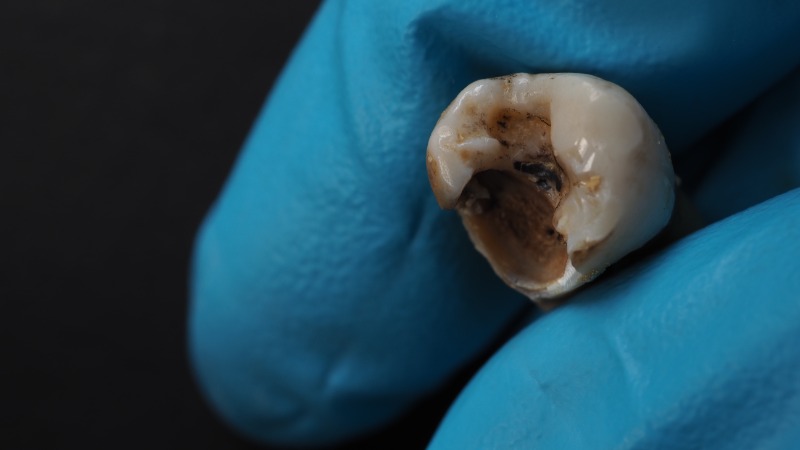

If you’ve been told you need a dental filling, you may be wondering what actually happens during the procedure.
Dental fillings are one of the most common treatments used to repair teeth affected by cavities. The good news is that modern filling procedures are safe, comfortable, and highly effective.
Understanding the process can help reduce anxiety and make your dental visit feel much more manageable.
Here’s what typically happens during a dental filling procedure.
Step 1: Numbing the Tooth
Before starting the filling, the dentist numbs the area around the tooth.
This is done using:
- A local anesthetic
- A small injection near the affected tooth
Once the area is numb, you should not feel pain during the procedure—only pressure or movement.
This step ensures the entire process remains comfortable.
Step 2: Removing the Cavity
After the tooth is fully numb, the dentist carefully removes the decayed portion of the tooth.
This step typically involves:
- Using a dental handpiece (drill)
- Cleaning out the infected or damaged tissue
- Preserving as much healthy tooth as possible
Removing all decay is essential to prevent the cavity from spreading further.
Step 3: Cleaning the Tooth
Once the decay is removed, the inside of the tooth is cleaned.
This helps:
- Remove bacteria
- Prepare the surface for the filling material
- Ensure a strong bond between the filling and tooth
Proper cleaning improves the longevity of the filling.
Step 4: Placing the Filling Material
The dentist then fills the cleaned space with a restorative material.
Common filling materials include:
- Composite (tooth-colored fillings)
- Amalgam
- Ceramic
- Glass ionomer
Tooth-colored composite fillings are commonly used because they blend naturally with your existing teeth.
The material is carefully shaped to restore the tooth’s original structure.
Step 5: Hardening and Shaping the Filling
If composite material is used, a special curing light is applied.
This light:
- Hardens the filling
- Strengthens the material
- Locks it into place
After hardening, the dentist shapes and smooths the filling to ensure:
- A natural bite
- Proper alignment
- Comfortable chewing
Step 6: Final Check and Bite Adjustment
Before finishing, your dentist checks how your teeth come together when you bite.
If necessary:
- Minor adjustments are made
- The surface is polished
- The filling is refined for comfort
This step ensures your filling feels natural and does not interfere with chewing.
Why Dental Fillings Are Important
Treating cavities early prevents bigger problems.
Without treatment, cavities can lead to:
- Tooth pain
- Infection
- Root canals
- Tooth loss
A simple filling today can prevent complex procedures later.
Does Getting a Filling Hurt?
This is one of the most common concerns.
Most patients feel:
Little to no pain during the procedure
Afterward, you may experience:
- Mild sensitivity
- Temporary discomfort
- Slight pressure when chewing
These symptoms usually resolve within a few days.
How Long Do Dental Fillings Last?
The lifespan of a filling depends on:
- Material used
- Oral hygiene
- Bite pressure
- Regular dental care
On average:
- Composite fillings last 5–10 years
- Amalgam fillings may last 10–15 years
Regular dental visits help ensure fillings remain strong.
How long does a dental filling take?
Most dental fillings take 30 to 60 minutes, depending on the size and location of the cavity.
How do I know if I need a filling?
Common signs include:
- Tooth sensitivity
- Pain when chewing
- Visible holes or dark spots
- Food getting stuck in one area
A dental exam and X-rays confirm the diagnosis.
Can cavities go away without fillings?
No. Once a cavity forms, it cannot heal on its own. A filling is required to stop the decay from spreading.
What should I avoid after a dental filling?
After a filling, it’s best to:
- Avoid chewing on the treated side until numbness wears off
- Avoid very hard or sticky foods initially
- Maintain proper brushing and flossing
Are tooth-colored fillings safe?
Yes. Composite fillings are safe, durable, and widely used. They are designed to blend naturally with your teeth.
Need a Dental Filling in Richmond?
If you’re experiencing tooth sensitivity, discomfort, or suspect a cavity, early treatment can prevent more serious dental problems.
Dr. Tang at Lansdowne Dental in Richmond provides gentle, modern dental care using advanced techniques and high-quality tooth-colored fillings.
Whether it’s a new cavity or replacing an old filling, getting timely care helps protect your smile long-term.
Book a consultation with Dr. Tang today to restore your tooth and prevent future complications.
📍 Lansdowne Dental — Richmond, BC
👨⚕️ Dr. Tang — Richmond Dentist
🌐 Find more educational dental content on PromptHealth