

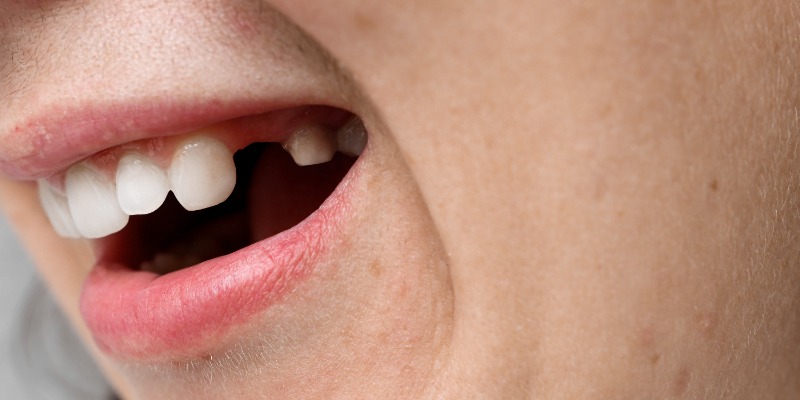

Losing a tooth may seem like a small issue—especially if it's not visible when you smile. But even one missing tooth can affect much more than your appearance.
Many patients are surprised to learn that leaving a missing tooth untreated can lead to shifting teeth, bone loss, and long-term dental complications.
Understanding what happens after tooth loss can help you make informed decisions about replacing it early.
Teeth Begin to Shift Into the Empty Space
One of the first things that happens after losing a tooth is movement of surrounding teeth.
Teeth naturally try to fill empty spaces. When a tooth is missing:
- Nearby teeth may drift into the gap
- Opposing teeth may grow longer into the space
- Bite alignment can change
Over time, this shifting can make chewing less comfortable and increase the risk of additional dental problems.
Jawbone Loss Can Begin
Your jawbone needs stimulation from teeth to stay strong.
When a tooth is missing:
- The bone underneath is no longer stimulated
- Bone density gradually decreases
- The jaw may shrink in that area
This process is called bone resorption, and it can begin within months of losing a tooth.
Bone loss can also affect facial appearance, sometimes leading to a more aged or sunken look.
Increased Risk of Tooth Decay and Gum Disease
Gaps created by missing teeth can make oral hygiene more difficult.
Food and bacteria can become trapped, increasing the risk of:
- Cavities
- Gum disease
- Infection
- Further tooth loss
Replacing missing teeth helps maintain healthy spacing and makes brushing and flossing easier.
Changes in Bite and Chewing Function
Missing teeth can change how your teeth come together when you bite.
This may lead to:
- Uneven chewing pressure
- Jaw discomfort
- Tooth wear
- Headaches or jaw strain
Even one missing tooth can affect your overall bite balance.
Speech May Be Affected
Teeth play an important role in speech clarity.
Depending on the location of the missing tooth, you may notice:
- Difficulty pronouncing certain sounds
- Slight changes in speech patterns
- Reduced confidence when speaking
Replacing missing teeth often restores normal speech function.
What Are Your Options for Replacing a Missing Tooth?
Fortunately, modern dentistry offers several reliable solutions.
Your dentist may recommend:
Dental Implants
Dental implants replace the root of the missing tooth and support a natural-looking crown.
Benefits include:
- Long-lasting solution
- Prevents bone loss
- Feels like a natural tooth
Dental Bridges
Bridges fill the gap by connecting to neighboring teeth.
Benefits include:
- Fixed in place
- Restores appearance
- Improves chewing ability
Partial Dentures
Partial dentures are removable replacements for one or more missing teeth.
Benefits include:
- Cost-effective option
- Restores function
- Custom-made for comfort
Why Replacing a Missing Tooth Early Matters
The longer a missing tooth is left untreated, the more complications can develop.
Early treatment helps:
- Maintain jawbone strength
- Prevent shifting teeth
- Protect overall oral health
- Restore confidence in your smile
Even if the missing tooth isn’t visible, replacing it can protect your long-term dental health.
What happens if you don't replace a missing tooth?
If a missing tooth is not replaced, surrounding teeth may shift, bone loss can occur, and bite problems may develop over time.
How long can you go without replacing a missing tooth?
Bone loss can begin within 3–6 months after losing a tooth. Early replacement is recommended to prevent complications.
What is the best option to replace a missing tooth?
Dental implants are often considered the most durable option, but bridges and dentures may also be recommended depending on your needs.
Can missing teeth affect your face shape?
Yes. Bone loss from missing teeth can cause the jaw to shrink, leading to a sunken or aged facial appearance over time.
Is it urgent to replace a missing tooth?
While it may not feel urgent initially, delaying replacement can lead to more complex and costly treatments later.
Missing a Tooth in Richmond?
If you’ve lost a tooth or have been living with a gap, it’s important to explore your options sooner rather than later.
Dr. Tang at Lansdowne Dental in Richmond provides personalized consultations to help patients understand the best way to replace missing teeth and protect long-term oral health.
Whether you’re considering dental implants, bridges, or other solutions, early treatment can prevent future complications.
Book a consultation with Dr. Tang at Lansdowne Dental today to discuss your options and restore your smile.
📍 Lansdowne Dental — Richmond, BC
👨⚕️ Dr. Tang — Richmond Dentist
🌐 Learn more through educational content on PromptHealth