

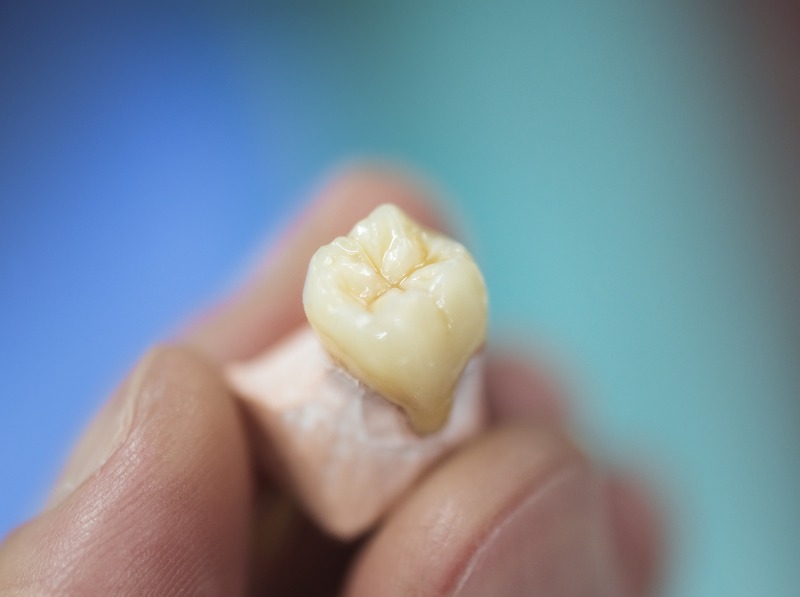

Many people hear the words “you need a crown” and immediately assume something is seriously wrong with their tooth. In reality, dental crowns are often recommended to prevent bigger problems before they happen.
According to Dr. Tang at Lansdowne Dental Centre, crowns are designed to protect and strengthen weakened teeth so patients can keep their natural teeth healthy and functional for years to come.
What Is a Dental Crown?
A dental crown is a custom-made covering that fits over a tooth to restore its strength, shape, and function. Crowns are commonly recommended when a tooth becomes too weak to safely hold a filling on its own.
This can happen because of:
- Large cavities
- Old or failing fillings
- Cracked or fractured teeth
- Teeth weakened after root canal treatment
- Excessive grinding or wear
Without additional protection, these weakened teeth are at a higher risk of cracking or breaking during normal chewing.
Why Do Dentists Recommend Crowns?
The main goal of a crown is prevention.
“When a tooth has lost too much structure, it may no longer be strong enough to handle everyday pressure,” explains Dr. Tang. “A crown helps distribute those forces more evenly and protects the tooth from further damage.”
In many cases, getting a crown early can help patients avoid more extensive dental treatment later, such as extractions, implants, or emergency dental visits caused by fractured teeth.
What Happens During the Crown Procedure?
The dental crown process is more straightforward than many patients expect.
First, the tooth is gently shaped to create room for the crown to fit naturally and comfortably. A digital scan or impression is then taken so the custom crown can be designed to match the patient’s bite and smile.
A temporary crown is placed to protect the tooth while the permanent crown is being made in a dental lab.
At the second appointment, the final crown is securely bonded into place, and small adjustments are made to ensure it feels comfortable when biting and chewing.
How Long Do Dental Crowns Last?
With proper oral hygiene and regular dental visits, crowns can last many years. Maintaining healthy brushing and flossing habits and avoiding habits like chewing ice or grinding teeth can help extend the lifespan of a crown.
Protecting Your Natural Smile
Dental crowns are not about removing teeth — they are often about saving them.
By protecting weakened teeth before they crack completely, crowns can help preserve your natural smile, restore comfort, and improve long-term oral health.
To learn more about dental crowns or restorative dentistry options, contact Dr. Tang and the team at Lansdowne Dental Centre in Richmond, BC.