


Why Many Patients Choose Dental Implants
Replacing a missing tooth is about more than aesthetics. Missing teeth can affect chewing, speech, jawbone health, and overall oral function. Dental implants have become one of the most predictable and long-lasting solutions available in modern dentistry.
In this guide, Dr. Tang explains the dental implant process step by step and what patients can expect throughout treatment.
What Is a Dental Implant?
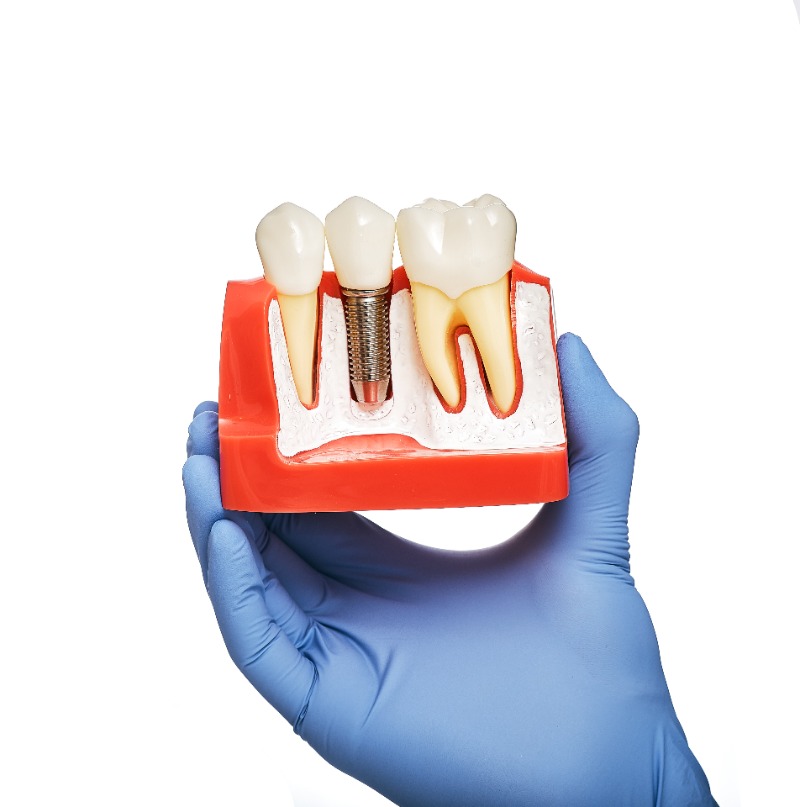
A dental implant is a small titanium post that is surgically placed into the jawbone to replace the root of a missing tooth. Once the implant integrates with the bone, it serves as a stable foundation for a custom-made dental crown.
A complete implant restoration typically consists of:
- The implant fixture (titanium post)
- The abutment (connector)
- The dental crown (replacement tooth)
The result is a tooth replacement that looks, feels, and functions similarly to a natural tooth.
Step 1: Comprehensive Assessment and Treatment Planning
Before treatment begins, a thorough examination is performed.
This may include:
- Digital X-rays
- 3D CBCT imaging
- Oral examination
- Assessment of bone volume and gum health
- Review of medical history
Proper planning helps ensure ideal implant positioning and long-term success.
Step 2: Implant Placement Surgery
The implant procedure is typically performed under local anesthesia.
During the procedure:
- The gum tissue is carefully opened.
- A precise space is created within the jawbone.
- The titanium implant is inserted into the bone.
- The site is closed and allowed to heal.
Most patients report that implant surgery is more comfortable than they expected and often compare the recovery to a routine tooth extraction.
Step 3: Healing and Osseointegration
Following implant placement, the body begins a natural healing process called osseointegration.
During this stage:
- The jawbone fuses directly with the implant surface.
- The implant becomes securely anchored.
- Bone strength and stability develop around the implant.
Healing typically takes several months, depending on the patient's health and bone quality.
Step 4: Abutment Placement
Once healing is complete, an abutment is attached to the implant.
The abutment serves as the connection between the implant and the final crown.
At this stage, impressions or digital scans are often taken to create a customized restoration.
Step 5: Placement of the Final Crown
A custom-made dental crown is fabricated to match the shape, size, and color of the surrounding teeth.
Once attached to the implant, the crown restores:
- Appearance
- Function
- Bite strength
- Confidence when smiling
The final result is designed to blend naturally with the rest of the smile.
Benefits of Dental Implants
Dental implants offer several advantages over traditional tooth replacement options:
- Natural appearance
- Improved chewing ability
- Long-term durability
- Preservation of jawbone structure
- No reliance on adjacent teeth
- Increased comfort and stability
With proper care, dental implants can last for many years and often decades.
Are Dental Implants Painful?
One of the most common questions patients ask is whether implant treatment is painful.
Most patients experience mild discomfort following surgery, which is typically manageable with prescribed or over-the-counter medications. Many report less discomfort than they anticipated.
How Long Does the Dental Implant Process Take?
The timeline varies depending on individual circumstances.
Factors include:
- Bone quality
- Need for bone grafting
- Healing response
- Number of implants being placed
In many cases, treatment can range from several months to six months or longer.
Is a Dental Implant Right for You?
Dental implants are often an excellent solution for individuals who have lost one or more teeth and want a stable, long-term replacement option.
A comprehensive assessment can determine whether sufficient bone and gum health are present to support successful treatment.
About Dr. Tang
Dr. Tang provides comprehensive dental care and implant consultations in Lansdowne Dental Center in Richmond, British Columbia. Through advanced imaging, modern techniques, and personalized treatment planning, patients receive solutions designed to restore both function and confidence.
If you are considering dental implants and would like to learn whether you are a candidate, schedule a consultation to discuss your options and create a customized treatment plan.
Why Many Patients Choose Dental Implants
Understanding the dental implant procedure is only part of the decision-making process. Many patients also want to know why dental implants are often considered the gold standard for replacing missing teeth.
Unlike removable options, dental implants are designed to function like natural tooth roots, helping preserve jawbone health, restore chewing ability, and provide long-term stability. They can also help prevent neighboring teeth from shifting and support a natural-looking smile.
If you're considering tooth replacement and would like to learn more about the long-term advantages of dental implants, read our detailed guide:
For personalized advice, consult with your dentist to determine whether dental implants are the right solution for your specific needs.