

Severely worn teeth are one of the most complex dental problems patients can face. Over time, teeth can wear down gradually, often without noticeable symptoms until the damage becomes significant.
In this case, Dr. Brian Baird of Georgia Dental Group in Vancouver explains how severely worn teeth develop and how advanced dental techniques can rebuild the smile, restore function, and protect long-term oral health.
What Are Severely Worn Teeth?
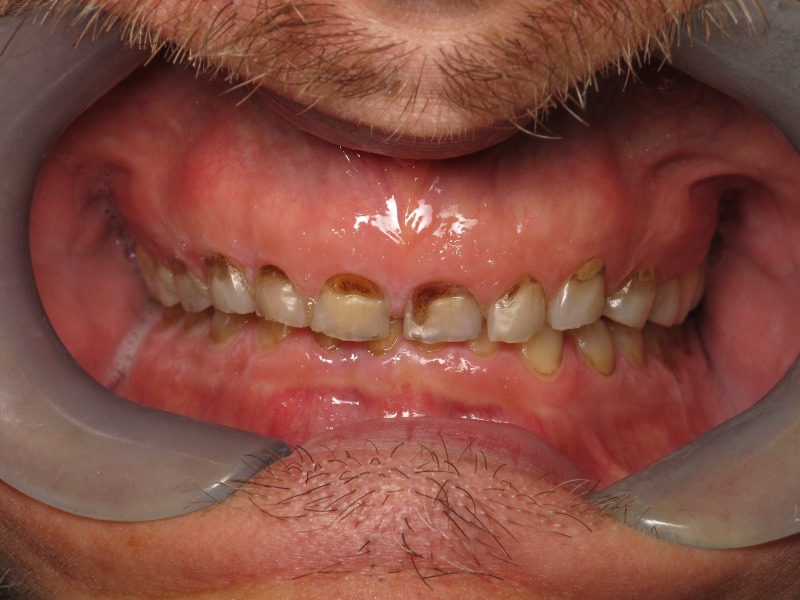
Severely worn teeth occur when the enamel—the hard outer layer of the tooth—gradually wears away over time. When this happens, teeth become shorter, flatter, and weaker.
Common signs of severely worn teeth include:
- Teeth that appear shorter than normal
- Flattened chewing surfaces
- Increased tooth sensitivity
- Cracked or chipped teeth
- Difficulty chewing food
- Jaw discomfort or fatigue
- Changes in bite alignment
In advanced cases, worn teeth can affect not just the appearance of your smile, but also your ability to chew and speak comfortably.
What Causes Teeth to Become Severely Worn?
There are several common causes of severe tooth wear.
Teeth Grinding (Bruxism)
Grinding or clenching teeth—especially during sleep—is one of the leading causes of severe wear. Many patients are unaware they grind their teeth until damage has already occurred.
Acid Erosion
Frequent exposure to acidic foods or drinks, acid reflux, or certain medical conditions can weaken enamel and accelerate tooth wear.
Natural Aging and Heavy Use
Over many years, normal chewing forces can gradually wear teeth down, especially if enamel is weakened.
Bite Problems (Malocclusion)
When teeth do not align properly, uneven pressure can cause certain teeth to wear down faster than others.
Why Severely Worn Teeth Can Become a Serious Problem
As teeth wear down, the bite can collapse, reducing the vertical height between the upper and lower jaws.
This can lead to:
- Jaw pain and muscle fatigue
- Increased risk of fractures
- Difficulty chewing
- Headaches or facial discomfort
- Premature aging of facial appearance
- Progressive damage to remaining teeth
Without treatment, the condition often worsens over time.
How Are Severely Worn Teeth Treated?
In mild cases, small restorations such as bonding or crowns may be enough to repair individual teeth.
However, in advanced cases like the one demonstrated by Dr. Brian Baird, a full mouth reconstruction may be required.
What Is Full Mouth Reconstruction?
Full mouth reconstruction is a comprehensive treatment that restores multiple teeth at once to rebuild both function and appearance.
This process may include:
- Dental crowns
- Porcelain veneers
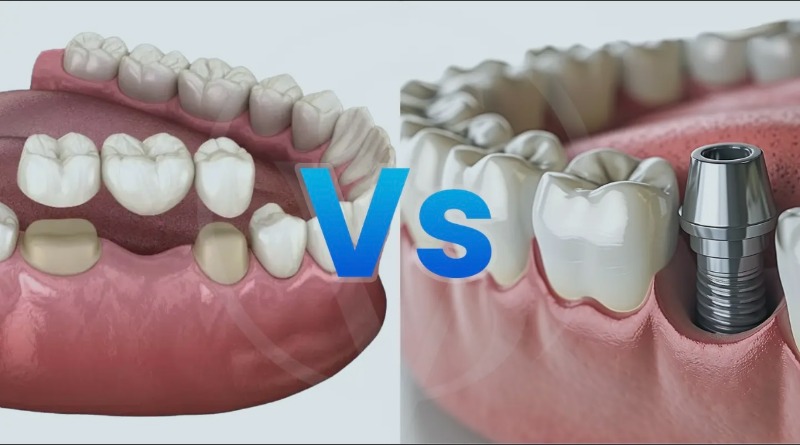
- Dental bridges
- Implant restorations
- Bite correction
- Protective night guards
Each treatment plan is carefully customized based on the patient’s specific condition.
Why Complex Cases Require Advanced Planning
Severely worn teeth cannot simply be repaired one tooth at a time. The bite must be rebuilt carefully to ensure:
- Proper chewing function
- Long-term durability
- Comfort in the jaw joints
- Balanced pressure across all teeth
Advanced diagnostic tools and careful treatment planning are essential for successful outcomes.
Can Severely Worn Teeth Be Prevented?
Yes—early detection plays a major role in preventing severe damage.
Preventive steps include:
- Regular dental checkups
- Wearing a night guard if grinding occurs
- Treating bite problems early
- Managing acid reflux if present
- Avoiding excessive acidic foods and drinks
When caught early, tooth wear can often be managed before complex treatment is needed.
When Should You See a Dentist About Tooth Wear?
You should schedule an evaluation if you notice:
- Teeth looking shorter over time
- Increased sensitivity
- Jaw fatigue or tightness
- Flattened or chipped teeth
- Difficulty chewing
- Changes in how your teeth fit together
Early treatment often leads to simpler and more cost-effective solutions.
Expert Care for Complex Dental Cases in Vancouver
Severely worn teeth require expertise, detailed planning, and advanced restorative techniques.
Dr. Brian Baird at Georgia Dental Group in Vancouver treats complex cases involving worn teeth and bite reconstruction, helping patients restore both function and confidence in their smiles.
If you are experiencing symptoms of worn teeth, early evaluation can prevent further damage and protect your long-term oral health.