Women’s/Men’s Health
Skin Health
Immune System and Energy
Nutrition
Preventative Health
Sleep
Mood/Mental Health
Pain Management
Fitness
Oral Care
How Dentists Restore Cavities While Preserving Natural Tooth Shape — Dr. Tang, Richmond Dentist
Wise Tang
2026/03/30
5mins read

How Dentists Restore Cavities While Preserving Natural Tooth Shape — Dr. Tang, Richmond Dentist

If you've been told you have a cavity, you may wonder how dentists repair teeth while keeping them strong and natural-looking.

Modern dentistry focuses not only on removing decay, but also on preserving the natural shape of your tooth whenever possible.

Dr. Tang, a dentist at Lansdowne Dental Centre in Richmond, British Columbia, uses modern techniques designed to restore teeth in a way that looks natural, feels comfortable, and supports long-term oral health.

Understanding how cavity treatment works can help reduce anxiety and encourage early treatment — when problems are easier to fix.


Watch: How Modern Dentistry Restores Cavities


What Happens When You Have a Cavity?

A cavity forms when bacteria produce acids that slowly damage the outer surface of the tooth.

Without treatment, cavities can grow deeper and lead to:

  • Tooth pain
  • Infection
  • Tooth fractures
  • Root canal treatment
  • Tooth loss

Early treatment allows dentists to repair the tooth before major damage occurs.


Modern Cavity Treatment Focuses on Preserving Natural Tooth Structure

Today, dentists use techniques that allow them to:

  • Remove only damaged areas
  • Protect healthy tooth structure
  • Restore natural tooth shape
  • Maintain proper bite alignment

Preserving the natural contours of the tooth is important because teeth are not flat surfaces — they contain grooves and ridges that help guide chewing and protect surrounding teeth.

By carefully restoring these natural shapes, dentists help maintain both function and comfort.


How Cavities Are Treated: Step-by-Step

At Lansdowne Dental Centre in Richmond, Dr. Tang uses modern restorative methods to make cavity treatment precise and comfortable.

Here’s what typically happens during treatment:


Step 1: Numbing the Tooth

A local anesthetic is used to numb the area.

Most patients feel little to no discomfort during the procedure.


Step 2: Removing the Decay

The damaged portion of the tooth is carefully removed.

Only unhealthy tooth structure is taken out, preserving healthy areas whenever possible.


Step 3: Cleaning and Preparing the Tooth

The area is cleaned to remove bacteria.

Special bonding materials are used to prepare the tooth for filling placement.


Step 4: Restoring the Tooth Shape

A tooth-colored composite material is placed into the cavity.

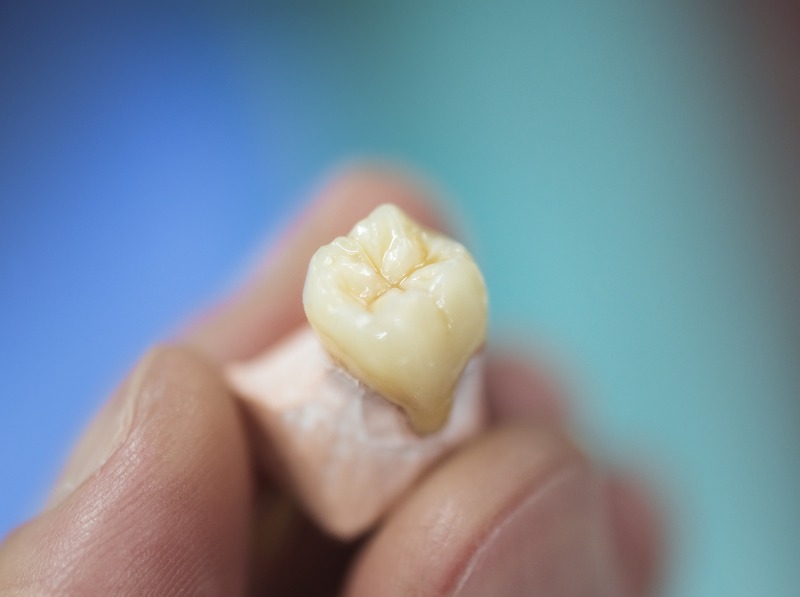
Dentists carefully shape the material to recreate the natural grooves and contours of the tooth.

Modern techniques — including methods that replicate the original tooth surface — help produce highly accurate results.


Step 5: Hardening and Polishing

A special curing light hardens the material.

The tooth is polished and adjusted to ensure a comfortable bite.

The final result looks and functions like a natural tooth.


Why Restoring Tooth Shape Matters

Restoring the natural anatomy of the tooth is important for several reasons.

Proper tooth shape helps:

  • Improve chewing efficiency
  • Reduce bite discomfort
  • Prevent food trapping
  • Protect surrounding teeth
  • Extend the life of the filling

Modern restorative dentistry focuses on both function and aesthetics.


Does Getting a Filling Hurt?

One of the most common concerns patients have is discomfort during treatment.

With modern dentistry:

Most cavity fillings are comfortable and quick.

Patients typically experience:

  • Minimal discomfort
  • Mild pressure sensations
  • Fast recovery

Some sensitivity after treatment is normal but usually temporary.


Signs You May Have a Cavity

Not all cavities cause pain immediately.

Common warning signs include:

  • Sensitivity to cold or sweets
  • Pain when biting
  • Visible dark spots on teeth
  • Rough areas on the tooth
  • Food getting stuck in certain areas

Regular dental visits help detect cavities early — before symptoms worsen.


Why Early Treatment Is Important

Small cavities are easier and less invasive to treat.

Delaying treatment may lead to:

  • Larger fillings
  • Tooth fractures
  • Root canal treatment
  • Tooth loss

Routine exams allow dentists to detect problems early and preserve tooth structure.


Tooth-Colored Fillings: A Modern Solution

Most modern cavity treatments use tooth-colored composite materials, which offer several advantages.

These fillings:

  • Blend naturally with your teeth
  • Bond securely to tooth structure
  • Require less removal of healthy tooth
  • Provide durable restoration
  • Improve overall appearance

They are widely used in modern restorative dentistry.


Why Patients in Richmond Choose Dr. Tang

Patients trust Dr. Tang at Lansdowne Dental Centre in Richmond for restorative dental care because of:

  • Modern dental technology
  • Gentle treatment approach
  • Focus on preserving natural teeth
  • Clear patient education
  • Convenient Richmond location

Modern dentistry is designed to protect your natural smile whenever possible.


When Should You See a Dentist?

You should schedule a dental visit if:

  • You feel tooth sensitivity
  • You notice visible holes or stains
  • You experience pain while chewing
  • It's been more than 6 months since your last exam

Early diagnosis allows for simpler, more conservative treatment.


Book a Consultation with Dr. Tang in Richmond, BC

If you suspect you may have a cavity or are experiencing tooth sensitivity, early care can protect your smile and prevent future complications.

Dr. Tang at Lansdowne Dental Centre in Richmond, British Columbia, provides modern cavity treatment designed for comfort, function, and long-term results.

📍 Lansdowne Dental Centre

Richmond, British Columbia

📞 Contact the clinic today to schedule your dental exam.

Expert Impacted Wisdom Tooth Treatment at Lansdowne Dental Centre
Wise Tang
2026/03/30
4mins read

Expert Impacted Wisdom Tooth Treatment at Lansdowne Dental Centre

Expert Impacted Wisdom Tooth Treatment at Lansdowne Dental Centre

Wisdom tooth pain can start suddenly—and when a tooth is impacted, it often requires professional removal to prevent infection, swelling, and long-term dental complications.

At Lansdowne Dental Centre in Richmond, British Columbia, Dr. Tang provides safe, modern wisdom tooth removal procedures designed to keep patients comfortable while protecting their long-term oral health.

If you’ve been told you have an impacted wisdom tooth—or you're experiencing jaw pain or swelling—understanding the process can help you feel more confident about treatment.


🎥 Watch: How Impacted Wisdom Tooth Removal


What Is an Impacted Wisdom Tooth?

An impacted wisdom tooth occurs when there isn’t enough space in the jaw for the tooth to fully emerge. Instead of growing normally, the tooth may:

  • Grow sideways
  • Stay trapped under the gum
  • Press against nearby teeth
  • Cause swelling or infection

Impacted wisdom teeth are very common, especially in late teens and early adulthood.

At Lansdowne Dental Centre in Richmond, Dr. Tang uses advanced imaging and careful planning to determine the safest way to remove impacted wisdom teeth.


Step-by-Step: How Impacted Wisdom Teeth Are Removed

Many patients feel nervous about wisdom tooth removal, but the procedure is very controlled and predictable when performed by an experienced dentist.

Here’s what typically happens:

1. The Area Is Carefully Numbed

Local anesthesia is used to fully numb the area around the wisdom tooth. This ensures that the procedure is comfortable and pain-free.

2. A Small Incision Is Made

If the tooth is trapped under the gum, a small incision is made to access the tooth safely.

3. The Tooth May Be Divided Into Smaller Pieces

For impacted teeth, the dentist may gently divide the tooth into sections. This allows for easier removal while minimizing pressure on surrounding bone.

4. The Tooth Is Removed

Once loosened, the tooth is carefully removed.

5. The Area Is Cleaned and Protected

The site is cleaned, and stitches may be placed if necessary to support healing.

This modern approach helps reduce trauma to the surrounding tissue and speeds up recovery.


Signs You May Need Wisdom Tooth Removal

You may need wisdom tooth removal if you experience:

  • Jaw pain in the back of the mouth
  • Swelling near wisdom teeth
  • Difficulty opening your mouth
  • Food getting trapped behind molars
  • Gum infection or bad taste
  • Pressure on nearby teeth

Even if symptoms are mild, impacted wisdom teeth can still cause long-term problems if left untreated.

That’s why early evaluation is important.


Why Choose Dr. Tang for Wisdom Tooth Removal in Richmond?

Patients in Richmond choose Dr. Tang at Lansdowne Dental Centre because of her focus on precision, comfort, and patient education.

Key advantages include:

  • Experienced dental team
  • Modern imaging and surgical planning
  • Gentle, patient-focused care
  • Clear explanation of procedures
  • Convenient Richmond location
  • Comprehensive dental services under one roof

Her approach focuses not just on removing the tooth—but protecting overall oral health.


Recovery After Wisdom Tooth Removal

Recovery from impacted wisdom tooth removal is usually straightforward.

Most patients experience:

  • Mild swelling for a few days
  • Minor discomfort that improves daily
  • Healing within 1–2 weeks

Dr. Tang provides personalized aftercare instructions to ensure proper healing and reduce the risk of complications.


Wisdom Tooth Removal in Richmond, BC

If you live in Richmond, British Columbia, and suspect you have impacted wisdom teeth, early treatment can prevent more serious dental issues later.

At Lansdowne Dental Centre, Dr. Tang helps patients safely remove problematic wisdom teeth using modern, efficient techniques.


Book a Consultation With Dr. Tang in Richmond

If you're experiencing wisdom tooth pain—or have been told you need removal—professional evaluation is the best next step.

📍 Dr. Tang

Lansdowne Dental Centre

Richmond, British Columbia

✅ Wisdom tooth consultations

✅ Impacted tooth removal

✅ Comprehensive dental care

✅ Personalized treatment planning


Contact Lansdowne Dental Centre today to schedule your consultation and get expert guidance on wisdom tooth removal.

Connect and stay engaged with your wellness community.

Subscribe to the PromptHealth newsletter for monthly updates.

Root Canal Treatment in Richmond, BC — Dr. Tang at Lansdowne Dental Centre, Richmond, British Columbia
Wise Tang
2026/03/30
5mins read

Root Canal Treatment in Richmond, BC — Dr. Tang at Lansdowne Dental Centre, Richmond, British Columbia

If you're experiencing severe tooth pain, lingering sensitivity, or swelling around a tooth, you may have an infected tooth that requires root canal treatment.

Modern root canal therapy is designed to relieve pain, eliminate infection, and save your natural tooth—often in just one or two visits.

At Lansdowne Dental Centre in Richmond, British Columbia, Dr. Tang provides root canal treatment using modern techniques focused on comfort, precision, and long-term oral health.


Watch: Root Canal Treatment Explained by Dr. Tang, Richmond Dentist


What Is a Root Canal Treatment?

A root canal treatment removes infection from inside a tooth.

Inside each tooth is soft tissue called the pulp, which contains nerves and blood vessels. When bacteria enter this area—usually from deep cavities, cracks, or trauma—the pulp becomes infected.

During root canal treatment, Dr. Tang at Lansdowne Dental Centre in Richmond:

  • Removes infected tissue
  • Cleans and disinfects the root canals
  • Seals the canals to prevent reinfection
  • Restores the tooth with a filling or crown

This treatment allows you to keep your natural tooth instead of removing it, helping maintain long-term oral health.


Signs You May Need a Root Canal in Richmond, BC

You may need a root canal if you experience:

  • Severe tooth pain when chewing
  • Lingering sensitivity to hot or cold
  • Swelling in the gums
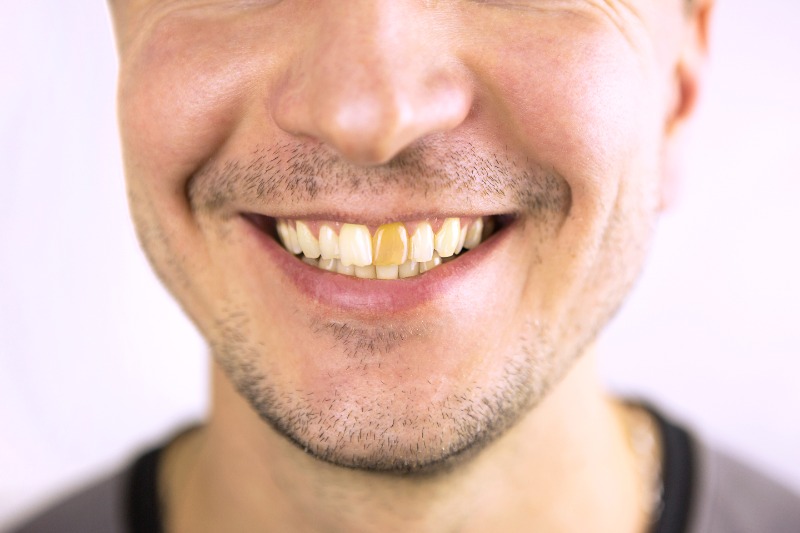
  • A darkened or discolored tooth
  • A small bump on the gums
  • Tooth pain that doesn’t go away

If you're experiencing these symptoms, seeing Dr. Tang at Lansdowne Dental Centre in Richmond early can prevent the infection from worsening.


Does a Root Canal Hurt?

One of the biggest myths about root canals is that they are painful.

In reality, root canal treatment removes the source of pain.

With modern techniques and local anesthesia, most patients report that root canal treatment feels similar to getting a filling. After treatment, many patients feel relief because the infection causing the pain has been removed.

Modern dentistry has made root canal treatment more comfortable and predictable than ever before.


What Happens During a Root Canal?

At Lansdowne Dental Centre in Richmond, BC, root canal treatment is performed carefully and comfortably.

Typical steps include:

  1. Examination and digital X-rays
  2. Numbing the area with local anesthesia
  3. Cleaning the infected canals
  4. Disinfecting the tooth
  5. Filling and sealing the canals
  6. Restoring the tooth with a filling or crown

Most treatments are completed in one to two visits, depending on the condition of the tooth.


Why Saving Your Natural Tooth Matters

Saving your natural tooth offers important long-term benefits.

Root canal treatment helps:

  • Maintain natural chewing ability
  • Prevent nearby teeth from shifting
  • Preserve jawbone structure
  • Avoid more complex treatments later
  • Keep your natural smile

Dr. Tang focuses on preserving natural teeth whenever possible, helping patients maintain healthy smiles for years to come.


What Happens If You Delay Root Canal Treatment?

Delaying treatment can allow infection to spread and become more serious.

Untreated infection may:

  • Cause swelling or abscess formation
  • Spread to surrounding bone
  • Lead to tooth loss
  • Require more complex procedures
  • Increase discomfort and complications

Early treatment is always the safest and most effective way to protect your oral health.


Root Canal Treatment in Richmond with Dr. Tang

If you're searching for a dentist in Richmond, BC for root canal treatment, Dr. Tang at Lansdowne Dental Centre provides patient-focused care using modern dental techniques.

Patients choose Dr. Tang because of:

  • Gentle and precise treatment
  • Modern dental technology
  • Focus on patient comfort
  • Commitment to saving natural teeth
  • Convenient Richmond location

Her goal is to relieve pain, restore function, and protect your smile.


Frequently Asked Questions About Root Canals

Is a root canal painful?

No. Modern root canal treatment is typically comfortable and similar to getting a filling.

How long does a root canal take?

Most treatments take 60–90 minutes and may require one or two visits.

How long does a treated tooth last?

With proper care and restoration, a root canal-treated tooth can last many years.

What should I do if I have tooth pain?

If tooth pain persists, seeing a dentist early can prevent complications and help save your tooth.

Looking for Root Canal Treatment in Richmond, BC?

If you're experiencing tooth pain, sensitivity, or swelling, early treatment can help save your tooth and prevent complications.

Dr. Tang provides root canal treatment at Lansdowne Dental Centre in Richmond, British Columbia, helping patients restore comfort and protect their natural teeth.

📍 Clinic: Lansdowne Dental Centre

📍 Location: Richmond, British Columbia

If you're searching for a dentist in Richmond, BC, scheduling an evaluation early can make treatment simpler and more predictable.

Need a Personal Match?
Get Started
Find Health Care Provider
By Area
20 cities (USA soon)
By Type Of Provider
38 provider types
©2021 PromptHealth