



Dr. Cole Wedman cover photo
Dr. Cole Wedman

Dr. Cole Wedman

General Dentist
Following
0
Followers
0
Why You Shouldn’t Delay a Root Canal Once It’s DiagnosedBy Dr. Cole Whitman of Georgia Dental Group
4mins read

Why You Shouldn’t Delay a Root Canal Once It’s DiagnosedBy Dr. Cole Whitman of Georgia Dental Group

If your dentist tells you that you need a root canal, it’s natural to feel nervous or want to wait. But delaying treatment can often lead to more pain, a worsening infection, and even tooth loss.

A root canal is designed to save a natural tooth that has become infected or severely inflamed. Once the inside of the tooth becomes infected, the problem usually does not go away on its own. In many cases, the infection continues to spread deeper into the tooth and surrounding tissues over time.

According to Dr. Cole Whitman from Georgia Dental Group in Vancouver, early treatment is one of the best ways to protect your oral health and avoid more complex dental procedures later.


What Happens If You Delay a Root Canal?

Inside every tooth is a soft tissue called the pulp, which contains nerves and blood vessels. When bacteria reach this area due to deep decay, cracks, trauma, or large cavities, the tooth can become infected.

Without treatment, the infection may lead to:

  • Increasing tooth pain
  • Sensitivity to hot or cold
  • Swelling in the gums or face
  • An abscess (pocket of infection)
  • Bone loss around the tooth
  • Tooth extraction

In some cases, the pain may temporarily disappear, but this does not mean the infection is gone. It can actually mean the nerve inside the tooth has died while the infection continues to spread silently.


Why Early Treatment Matters

Treating the tooth earlier often makes the process simpler and improves the chances of saving the natural tooth long term.

Benefits of getting a root canal promptly include:

  • Relief from pain and pressure
  • Stopping the infection from spreading
  • Preserving your natural tooth
  • Preventing future complications
  • Avoiding more expensive procedures later

Saving your natural tooth is almost always preferred over removing it whenever possible.


Is a Root Canal Painful?

One of the biggest misconceptions about root canals is that they are extremely painful. In reality, modern root canal treatment is designed to relieve pain — not cause it.

With today’s dental technology and local anesthesia, many patients say the procedure feels similar to getting a filling.

The discomfort people often associate with root canals is usually caused by the infection itself, not the treatment.


Signs You May Need a Root Canal

Some common symptoms include:

  • Persistent toothache
  • Pain when chewing
  • Sensitivity to temperature
  • Swollen or tender gums
  • Darkening of the tooth
  • A small bump near the gums
  • Throbbing or pressure around a tooth

However, some infected teeth may not cause major symptoms at first, which is why regular dental exams and X-rays are important.


Root Canal Treatment in Vancouver, BC

At Georgia Dental Group

, Dr. Cole Wedman focuses on diagnosing and treating dental infections early to help patients relieve pain and preserve their natural smiles.

If you’ve been told you may need a root canal, addressing it sooner rather than later can help prevent the infection from progressing and reduce the likelihood of needing more extensive treatment in the future.


Frequently Asked Questions About Root Canals

Can a root canal infection go away on its own?

No. Once the pulp inside the tooth becomes infected, professional treatment is usually required to remove the infection and save the tooth.

What happens if I wait too long?

The infection can spread deeper into the tooth, gums, jawbone, or surrounding tissues, potentially leading to swelling, severe pain, or tooth loss.

Is extracting the tooth better than a root canal?

In many cases, saving the natural tooth with a root canal is the preferred option because it helps maintain normal chewing, alignment, and bone structure.

How long does a root canal take?

Many root canal treatments can be completed in one or two visits, depending on the complexity of the tooth and level of infection.

Will I need a crown afterward?

Often, yes. A crown helps protect and strengthen the tooth after root canal treatment, especially for back teeth that experience more biting pressure.
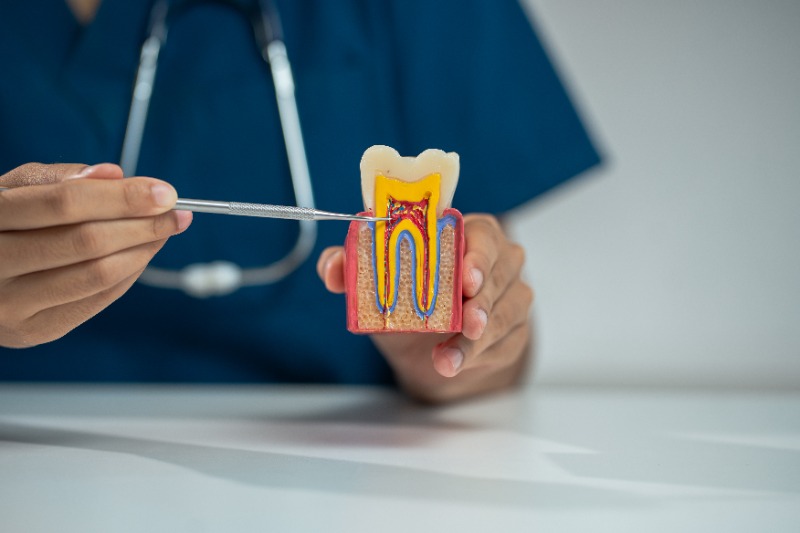
Root Canal Treatment in Vancouver — What to Expect with Dr. Cole Wedman at Georgia Dental Group
6mins read

Root Canal Treatment in Vancouver — What to Expect with Dr. Cole Wedman at Georgia Dental Group

If you're experiencing severe tooth pain or infection, a root canal treatment may be the best way to save your natural tooth and relieve discomfort.

Dr. Cole Wedman at Georgia Dental Group in Vancouver provides modern root canal treatment designed to be comfortable, efficient, and effective. With today's dental technology, root canals are much more comfortable than many patients expect.

Many patients searching for root canal treatment in Vancouver want fast relief from pain and a solution that protects their long-term oral health. Root canal therapy is one of the most reliable ways to treat infected teeth without extraction.


What Is a Root Canal?

A root canal is a dental procedure used to treat infection inside a tooth. When bacteria reach the inner pulp of a tooth, it can cause severe pain, swelling, and long-term damage if left untreated.

Root canal treatment removes the infected tissue, cleans the inside of the tooth, and seals it to prevent further infection.

Root canals are commonly recommended when:

  • A cavity becomes deep enough to reach the tooth pulp
  • A tooth is cracked or damaged
  • There is an untreated infection
  • A tooth becomes extremely sensitive to heat or cold

Saving the natural tooth is often the preferred option whenever possible.

Signs You May Need a Root Canal

Many patients wonder whether their symptoms require root canal treatment. Certain signs strongly indicate that a tooth infection may be present.

You may need a root canal if you experience:

  • Persistent tooth pain
  • Sensitivity to hot or cold that lingers
  • Pain when biting or chewing
  • Swelling in the gums
  • Darkening of a tooth
  • A small bump on the gums (possible abscess)

If you notice any of these symptoms, early treatment can prevent complications and reduce discomfort.

What Causes a Tooth Infection?

Tooth infections typically develop when bacteria enter the inner part of the tooth. Common causes include:

  • Untreated cavities
  • Cracked or broken teeth
  • Trauma to the tooth
  • Repeated dental procedures on the same tooth
  • Advanced gum disease

Routine dental visits help detect these issues before they become serious.

What Happens During a Root Canal Procedure?

Many patients feel nervous about root canal treatment, but understanding the process helps reduce anxiety. Here is what typically happens:

Step 1 — Examination and Imaging

Dr. Cole Wedman will examine the tooth and take digital X-rays to confirm the infection.

Step 2 — Local Anesthesia

The tooth and surrounding area are numbed to ensure comfort throughout the procedure.

Step 3 — Cleaning the Infection

The infected pulp inside the tooth is carefully removed, and the root canals are cleaned and shaped.

Step 4 — Sealing the Tooth

The cleaned canals are filled and sealed to prevent reinfection.

Step 5 — Restoration

In most cases, a dental crown is placed later to protect the tooth and restore strength.

Root canal treatment typically takes one or two visits, depending on the severity of the infection.

Does a Root Canal Hurt?

One of the most common concerns patients have is whether root canals are painful. With modern dental techniques and local anesthesia, root canal treatment is usually no more uncomfortable than getting a filling.

Most patients report that the pain they felt before the root canal — caused by infection — is much worse than the procedure itself. After treatment, mild soreness may occur for a few days, but this is usually manageable with over-the-counter medication.

Root Canal vs Tooth Extraction — Which Is Better?

When a tooth becomes infected, patients often wonder whether removing the tooth is a better option. In many cases, saving the natural tooth through a root canal is preferred.

Benefits of root canal treatment include:

  • Preserving your natural tooth
  • Maintaining proper bite alignment
  • Preventing surrounding teeth from shifting
  • Avoiding the need for replacement options like implants or bridges

Tooth extraction may still be recommended if the damage is too severe, but root canal therapy is usually the first option when the tooth can be saved.

How Long Does a Root Canal Last?

A properly treated tooth can last many years — often a lifetime — with good oral hygiene and regular dental visits.

To maintain the treated tooth:

  • Brush twice daily
  • Floss regularly
  • Avoid chewing hard objects
  • Attend routine dental checkups

Placing a crown after treatment significantly improves the long-term durability of the tooth.

Why Choose Dr. Cole Wedman for Root Canal Treatment in Vancouver?

Patients searching for root canal treatment in Vancouver often want a dentist who combines technical expertise with compassionate care. Dr. Cole Wedman provides:

Gentle, Patient-Focused Care

Every step of the procedure is explained clearly to reduce anxiety and ensure comfort.

Modern Dental Technology

Advanced tools improve accuracy and treatment outcomes.

Comprehensive Dental Services

Georgia Dental Group provides both root canal therapy and final restoration, including crowns.

When Should You See a Dentist for Tooth Pain?

Tooth pain is often a warning sign that something is wrong. You should contact a dentist if you experience:

  • Severe or worsening tooth pain
  • Swelling in the gums or face
  • Pain that wakes you at night
  • Lingering sensitivity
  • Signs of infection

Early treatment often prevents more complicated procedures.

Frequently Asked Questions

How long does a root canal take?

Most root canal procedures take 60 to 90 minutes, depending on the complexity of the tooth.

Can I eat after a root canal?

Yes, but it is best to avoid chewing on the treated side until the tooth is fully restored.

Will I need a crown after a root canal?

In many cases, yes. A crown helps protect the tooth and prevents future damage.

Is root canal treatment safe?

Root canal treatment is a well-established procedure that has been performed successfully for decades.

Book a Root Canal Consultation with Dr. Cole Wedman in Vancouver

If you're experiencing tooth pain or suspect an infection, scheduling a dental evaluation is the first step toward relief. Dr. Cole Wedman at Georgia Dental Group provides root canal treatment in Vancouver focused on preserving natural teeth and restoring comfort.

Early diagnosis and treatment can make a significant difference in preventing further complications.

Contact

Georgia Dental Group, Vancouver, BC

Available Time
  • Between 9- 5pm