

Dr. Siavash Alam cover photo
Dr. Siavash Alam

Dr. Siavash Alam

Dentist
Following
0
Followers
0
Implant-Supported Dentures vs. Conventional Dentures: Which Option Is Right for You?
6mins read

Implant-Supported Dentures vs. Conventional Dentures: Which Option Is Right for You?

Missing teeth can affect far more than your smile. They can make eating difficult, impact your speech, reduce your confidence, and even contribute to jawbone loss over time. Fortunately, modern dentistry offers several solutions, with conventional dentures and implant-supported dentures being two of the most common options.

If you're wondering which treatment is best—and how much each one costs—this guide explains the differences, benefits, and typical costs to help you make an informed decision.


What Are Conventional Dentures?

Conventional dentures are removable appliances designed to replace missing teeth. They rest directly on the gums and are custom-made to fit your mouth.

There are two main types:

  • Full dentures for patients missing all teeth in an arch
  • Partial dentures for patients missing several teeth while retaining healthy natural teeth

Conventional dentures have restored millions of smiles and remain one of the most affordable tooth replacement options.

Benefits of Conventional Dentures

  • Lower upfront cost
  • Non-surgical treatment
  • Faster treatment timeline
  • Custom-made for a natural appearance
  • Easy to repair or replace if needed

However, because they sit on the gums instead of being anchored to the jawbone, dentures can gradually become loose as the bone changes over time.


What Are Implant-Supported Dentures?

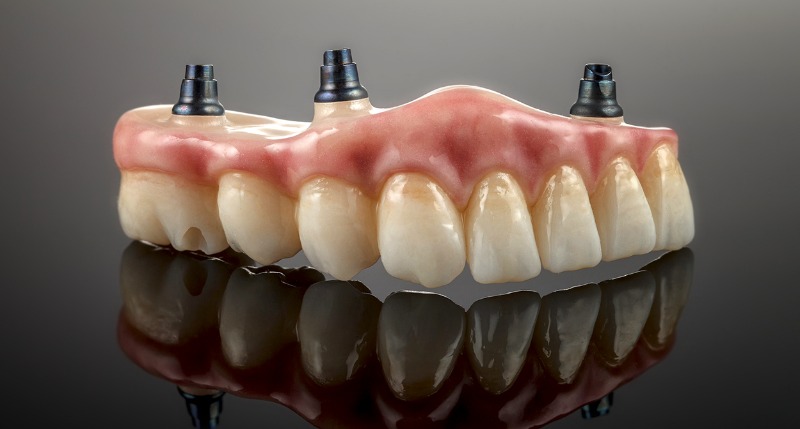
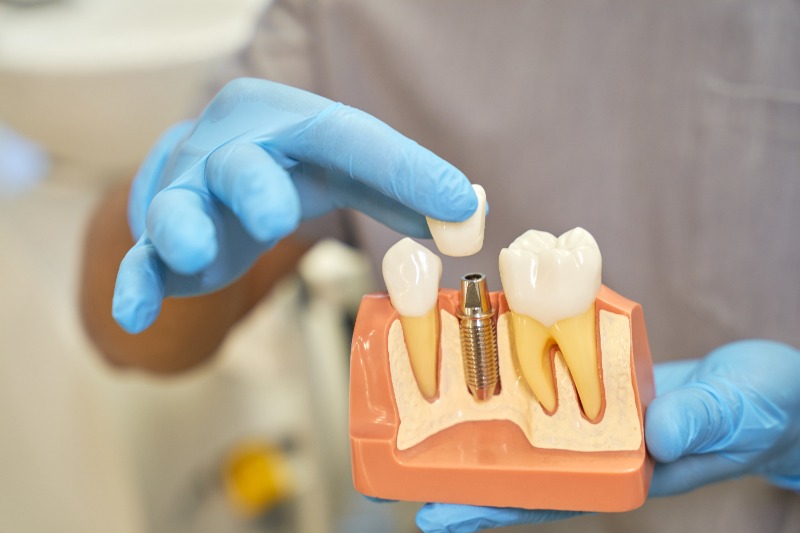
Implant-supported dentures combine dental implants with a removable or fixed denture. Small titanium implants are surgically placed into the jawbone, creating a stable foundation for the denture.

Unlike traditional dentures, implant-supported dentures "snap" or attach securely to the implants, significantly improving stability and function.

Many patients describe them as feeling much closer to natural teeth.


Implant-Supported Dentures vs. Conventional Dentures

Stability

One of the biggest differences is stability.

Conventional dentures rely on suction, adhesives, and the shape of your gums to stay in place. They may shift while eating or speaking.

Implant-supported dentures are securely anchored to implants, greatly reducing movement.

Winner: Implant-supported dentures


Comfort

Loose dentures can create sore spots and irritation.

Because implant-supported dentures stay securely in place, many patients find them more comfortable during daily activities.

Winner: Implant-supported dentures


Eating Ability

Traditional dentures can make chewing harder foods difficult.

Implant-supported dentures restore much stronger bite force, allowing patients to enjoy foods such as:

  • Steak
  • Apples
  • Corn on the cob
  • Nuts
  • Crunchy vegetables

Winner: Implant-supported dentures


Jawbone Health

After tooth loss, the jawbone naturally shrinks because it no longer receives stimulation from tooth roots.

Traditional dentures do not stop this process.

Dental implants stimulate the jawbone similarly to natural tooth roots, helping preserve bone and facial structure.

Winner: Implant-supported dentures


Appearance

Both options can look very natural when professionally designed.

However, implant-supported dentures often provide better lip support and facial fullness over the long term because they help preserve bone.


Maintenance

Conventional dentures require:

  • Daily cleaning
  • Occasional relining
  • Periodic replacement as the jaw changes

Implant-supported dentures also require daily cleaning and regular dental visits but generally need fewer adjustments due to their stability.


Cost of Conventional Dentures in Vancouver

The cost of conventional dentures varies depending on the materials used and whether a full or partial denture is required.

Typical price ranges include:

  • Partial dentures: approximately $1,500–$3,500
  • Complete dentures: approximately $2,000–$5,000 per arch

Additional costs may apply for:

  • Tooth extractions
  • Immediate dentures
  • Denture relines
  • Future replacements

Cost of Implant-Supported Dentures in Vancouver

Implant-supported dentures involve both the denture and dental implants, making the initial investment higher.

Typical treatment costs may range from:

  • $15,000–$30,000+ per arch

The final cost depends on several factors, including:

  • Number of implants required
  • Bone grafting, if needed
  • Type of implant-supported denture
  • Complexity of the case
  • Materials used

While implant-supported dentures have a higher upfront cost, many patients appreciate their improved comfort, stability, and long-term function.


Which Denture Option Lasts Longer?

Conventional dentures typically require replacement every 5–10 years, depending on wear and changes in the jaw.

Dental implants themselves can last for decades with proper care. The denture attached to them may eventually need maintenance or replacement, but the implants often remain in place for many years.


Are Implant-Supported Dentures Worth It?

For many patients, the answer is yes.

They offer:

  • Improved chewing ability
  • Greater confidence while speaking
  • Better comfort
  • Reduced denture movement
  • Bone preservation
  • Improved quality of life

However, conventional dentures remain an excellent solution for patients looking for a more affordable, non-surgical option.

The right choice depends on your oral health, lifestyle, goals, and budget.


Which Option Is Right for You?

Every smile is unique. During a consultation, your dentist will evaluate:

  • Your remaining teeth
  • Bone density
  • Overall oral health
  • Medical history
  • Budget
  • Long-term goals

Based on this assessment, they can recommend the most suitable tooth replacement option for your needs.

If you're considering dentures or dental implants, the experienced team at English Bay Dental can help you explore your options and develop a personalized treatment plan. Learn more or book a consultation at https://englishbaydentist.com/.


Frequently Asked Questions

Are implant-supported dentures removable?

Some are removable for cleaning, while others are fixed and can only be removed by your dentist.

Do implant-supported dentures hurt?

The implant procedure is performed under local anesthesia, and most patients report that recovery is more comfortable than expected.

How many implants are needed?

Most implant-supported dentures use between 2 and 6 implants per arch, depending on the treatment plan.

Which option is more affordable?

Conventional dentures have a significantly lower initial cost, while implant-supported dentures provide greater long-term stability and function.
What Is a Denture? A Cost-Effective Way to Replace Missing Teeth
5mins read

What Is a Denture? A Cost-Effective Way to Replace Missing Teeth

Missing teeth can affect much more than your smile. They can make eating difficult, change the way you speak, and even impact your confidence. Fortunately, dentures remain one of the most reliable and affordable ways to restore your smile.

In this article, Dr. Siavash Alam of English Bay Dental explains what dentures are, who they're best suited for, and why they continue to be one of the most cost-effective tooth replacement solutions available.


What Is a Denture?

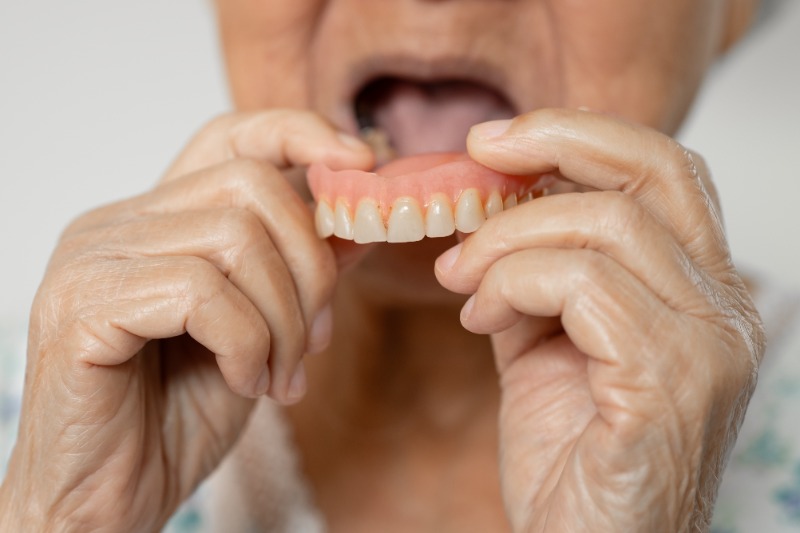
A denture is a custom-made removable appliance designed to replace missing teeth and the surrounding gum tissue. Modern dentures are carefully crafted to look natural, fit comfortably, and restore both function and appearance.

Dentures can replace:

  • A few missing teeth (partial dentures)
  • All the teeth in the upper jaw
  • All the teeth in the lower jaw
  • Both upper and lower arches (complete dentures)

Today's dentures are more comfortable, more natural-looking, and more durable than ever before, helping patients regain confidence in their smile.

Who Are Dentures For?

Dentures are an excellent option for people who:

  • Have lost multiple teeth
  • Are missing all of their teeth
  • Want an affordable alternative to dental implants
  • Have difficulty chewing due to missing teeth
  • Want to improve their smile and facial appearance
  • Prefer a non-surgical tooth replacement option

For many patients, dentures restore the ability to eat comfortably, speak clearly, and smile with confidence again.

How Much Do Dentures Cost?

One of the biggest advantages of dentures is affordability.

According to Dr. Siavash Alam, a complete denture typically costs approximately $1,500 per arch, or about $3,000 for both the upper and lower arches.

While every patient's treatment needs are different, dentures are generally one of the most cost-effective ways to replace multiple missing teeth.

If you're looking for a functional, attractive, and budget-friendly tooth replacement solution, dentures offer excellent value.

Why Are Dentures So Cost-Effective?

Replacing each missing tooth individually with dental implants or bridges can become expensive, especially when several teeth are missing.

Dentures provide an affordable solution because they:

  • Replace many teeth at once
  • Restore chewing ability
  • Improve speech
  • Support facial muscles and facial appearance
  • Enhance confidence
  • Can be adjusted or repaired if needed

For many patients, dentures provide the ideal balance between appearance, function, and affordability.

Are Modern Dentures Comfortable?

Many people still picture dentures from decades ago, but today's dentures are much more advanced.

Modern materials and improved techniques allow dentures to fit more comfortably and look far more natural than they once did. While there is an adjustment period for first-time wearers, most patients adapt well with guidance from their dentist.

Regular dental visits also help ensure dentures continue fitting properly as your mouth naturally changes over time.

Dentures vs. Dental Implants

Both dentures and dental implants are excellent tooth replacement options, but the right choice depends on your individual needs.

Dental implants offer exceptional stability and longevity, but they involve surgery and typically require a larger financial investment.

Dentures may be the better option if you:

  • Need to replace multiple teeth
  • Want to avoid surgery
  • Have budget considerations
  • Want an effective treatment with a lower overall cost

A comprehensive dental examination can help determine which solution is best for your oral health, lifestyle, and long-term goals.

How to Care for Your Dentures

Proper care helps keep dentures comfortable and lasting for years.

To care for your dentures:

  • Clean them daily with a denture brush and cleaner.
  • Remove them at night unless your dentist advises otherwise.
  • Store them properly to prevent drying out.
  • Schedule regular dental checkups to monitor the health of your gums and ensure your dentures continue fitting well.

Even if you wear full dentures, routine dental visits remain important for maintaining good oral health.

Restore Your Smile with Confidence

Dentures continue to be one of the most practical and affordable solutions for replacing missing teeth. At approximately $1,500 per arch (around $3,000 for both arches), they can restore your smile, improve your ability to eat and speak, and help you regain confidence without the higher cost of replacing every tooth individually.

If you're considering dentures or exploring your tooth replacement options, speak with an experienced dentist to determine the treatment that's right for you.

Dr. Siavash Alam and the team at English Bay Dental are committed to helping patients restore healthy, confident smiles with personalized treatment options designed to fit their needs and budget.


Learn More from Dr. Alam

Want to know if dentures are right for you? Watch Dr. Alam explain who dentures are for, what they cost, and why they remain one of the most cost-effective ways to replace missing teeth.


Compare Your Tooth Replacement Options

Wondering whether dentures are the right choice, or if a dental implant or bridge might better suit your needs?

Read our companion article on MyDentistNearMe to compare the benefits of dentures, dental implants, and dental bridges, and learn which option may be right for your smile.


Dentures vs. Other Tooth Replacement Options: Which Is Right for You?

https://mydentistnearme.com/dentures-vs-other-tooth-replacement-options/

What Is a Dental Crown?Everything You Need to Know About Dental CrownsBy English Bay Dental Group and Dr. Alam
5mins read

What Is a Dental Crown?Everything You Need to Know About Dental CrownsBy English Bay Dental Group and Dr. Alam

If your dentist has recommended a dental crown, you may be wondering:

What exactly is a crown, and why would I need one?

A dental crown is one of the most common and effective restorative dental treatments used to protect, strengthen, and restore damaged teeth. Whether a tooth is cracked, weakened after a root canal, severely decayed, or cosmetically worn down, a crown can help restore both function and appearance.

At English Bay Dental Group, Dr. Alam helps patients in Vancouver restore their smiles with custom dental crowns designed to look natural and feel comfortable.


What Is a Dental Crown?

A dental crown is a custom-made “cap” that covers the entire visible portion of a tooth. It is designed to restore the tooth’s:

  • Shape
  • Strength
  • Size
  • Appearance
  • Function

Think of a crown as a protective shell that fits over a damaged or weakened tooth to help preserve it long term.

Dental crowns are carefully designed to blend in naturally with your surrounding teeth, making them both functional and aesthetic.


Why Would You Need a Dental Crown?

There are several reasons your dentist may recommend a crown.

Common Reasons for Dental Crowns

1. Large Cavities or Tooth Decay

When a tooth has extensive decay and a filling alone is not strong enough, a crown may be needed to protect the remaining tooth structure.

2. Cracked or Broken Teeth

Crowns help hold weakened teeth together and reduce the risk of further fracture.

3. After a Root Canal

Teeth that have had root canal treatment can become brittle over time. A crown helps strengthen and protect the tooth.

4. Worn Down Teeth

Grinding or years of wear can weaken teeth. Crowns help restore proper shape and function.

5. Cosmetic Smile Improvements

Crowns can improve the appearance of discolored, misshapen, or uneven teeth.

6. Dental Implants

Crowns are placed on top of dental implants to replace missing teeth.


What Are Dental Crowns Made Of?

Modern dental crowns can be made from different materials depending on the location of the tooth, aesthetics, and strength needed.

Common Crown Materials

Porcelain or Ceramic Crowns

  • Natural-looking appearance
  • Popular for front teeth
  • Blends well with surrounding teeth

Zirconia Crowns

  • Extremely strong and durable
  • Excellent for back teeth
  • Also highly aesthetic

Porcelain-Fused-to-Metal Crowns

  • Combines strength and aesthetics
  • Less commonly used today compared to all-ceramic options

At English Bay Dental Group, Dr. Alam will recommend the best crown material based on your specific needs.


What Happens During a Dental Crown Procedure?

Getting a dental crown usually takes two appointments.

First Appointment

During the first visit:

  • The tooth is examined and prepared
  • Any decay or damage is removed
  • The tooth is reshaped
  • Digital scans or impressions are taken
  • A temporary crown is placed

Second Appointment

At the second visit:

  • The custom crown is checked for fit and appearance
  • Adjustments are made if needed
  • The crown is permanently cemented into place

Once completed, the crown should feel comfortable and function like a natural tooth.


How Long Do Dental Crowns Last?

With proper care, dental crowns can often last:

  • 10–15 years
  • Sometimes even longer

The lifespan depends on factors such as:

  • Oral hygiene
  • Grinding or clenching habits
  • Diet
  • Regular dental visits

How to Care for a Dental Crown

Dental crowns still require good oral hygiene to protect the surrounding gums and tooth structure.

Tips to Maintain Your Crown

  • Brush twice daily
  • Floss carefully around the crown
  • Avoid chewing ice or very hard foods
  • Wear a night guard if you grind your teeth
  • Visit your dentist regularly for exams and cleanings

Are Dental Crowns Painful?

Most patients are surprised at how comfortable the procedure is.

The area is numbed during treatment, and mild sensitivity afterward is usually temporary. Many people return to normal activities the same day.


Frequently Asked Questions About Dental Crowns

Does a crown look natural?

Yes. Modern crowns are designed to closely match the shape and color of your natural teeth.

Can a crown fall off?

Although uncommon, crowns can loosen over time. If this happens, contact your dentist as soon as possible.

Is getting a crown better than pulling a tooth?

Whenever possible, preserving your natural tooth is usually the preferred option.

Can you eat normally with a crown?

Yes. Once the permanent crown is placed, you can typically eat normally again.

Do crowns get cavities?

The crown itself cannot decay, but the tooth underneath still can if oral hygiene is neglected.

How do I know if I need a crown?

Signs may include:

  • Cracked teeth
  • Large fillings
  • Pain when chewing
  • Severe wear
  • Teeth weakened after root canal treatment

A dental examination and X-rays can help determine if a crown is the right solution.


Dental Crowns in Vancouver

If you have a damaged, cracked, or weakened tooth, a dental crown may help restore your smile and protect your oral health long term.

Dr. Alam at English Bay Dental Group provides personalized dental care and restorative treatments for patients in Vancouver, BC.

What Happens If You Delay Your Dental Visit? Explained by Dr. Siavash Alam, Vancouver Dentist at English Bay Dental
5mins read

What Happens If You Delay Your Dental Visit? Explained by Dr. Siavash Alam, Vancouver Dentist at English Bay Dental

Many patients delay dental visits because they are busy, nervous, or not currently in pain. But postponing care can allow small dental problems to grow into serious conditions that are harder—and more expensive—to treat.

In this video, Dr. Siavash Alam of English Bay Dental in Vancouver, BC, explains what really happens when dental visits are delayed and why early treatment can save your teeth, time, and money.


Why Delaying a Dental Visit Can Make Problems Worse

Dental problems rarely resolve on their own. In most cases, they slowly progress.

For example:

  • A small cavity may initially require only a simple filling
  • If untreated, it can grow deeper into the tooth
  • Eventually, the infection may reach the nerve
  • This may lead to a root canal or even tooth loss

What starts as a minor issue can quickly become a more complex dental emergency.


What Happens When Cavities Are Left Untreated?

Cavities develop when bacteria break down tooth enamel. At first, the damage is small and painless. But over time, decay spreads deeper into the tooth.

If a cavity is ignored:

  1. The enamel weakens
  2. Decay spreads into dentin
  3. Bacteria reach the nerve
  4. Pain, infection, and swelling may occur
  5. A root canal or extraction may be required

Early treatment typically means less discomfort and simpler care.


Delaying Treatment Can Lead to Root Canals

One of the most common consequences of delaying dental visits is needing a root canal treatment.

Root canals are necessary when:

  • Infection reaches the pulp (nerve) of the tooth
  • Pain becomes severe
  • Swelling or abscess develops

While root canals are safe and effective, they are usually more complex than treating a cavity early.

Regular dental visits help detect problems before they reach this stage.


Dental Problems Usually Become More Expensive Over Time

Many people delay dental care to save money—but waiting often leads to higher costs later.

Here’s how treatment complexity increases over time:

Early StageLater StageSmall fillingRoot canalMinor repairCrown placementTreatable toothTooth extractionPreventive cleaningEmergency visit

Early intervention is typically more affordable than advanced treatment.


Signs You Should Not Delay a Dental Visit

If you notice any of the following symptoms, it’s important to schedule a dental visit promptly:

  • Tooth sensitivity
  • Pain when chewing
  • Persistent bad breath
  • Gum swelling
  • Tooth discoloration
  • Bleeding gums
  • Broken or chipped teeth

Even mild symptoms may indicate early dental disease.


Why Preventive Visits Are So Important

Regular dental checkups allow dentists to detect problems before they become serious.

Preventive visits help:

  • Catch cavities early
  • Monitor gum health
  • Identify infections before pain starts
  • Prevent tooth loss
  • Reduce long-term treatment costs

Most patients benefit from visiting the dentist every six months, although frequency may vary based on individual needs.


When Delaying Dental Care Can Become Dangerous

In severe cases, untreated dental infections can spread beyond the tooth.

Potential complications include:

  • Dental abscess
  • Bone loss
  • Gum disease progression
  • Facial swelling
  • Systemic infections

Prompt care helps prevent these complications.


Expert Care in Vancouver at English Bay Dental

If you’ve been delaying a dental visit, it’s never too late to get back on track.

Dr. Siavash Alam and the team at English Bay Dental in Vancouver provide preventive, restorative, and emergency dental care designed to address problems early and protect long-term oral health.

Whether you’re experiencing symptoms or simply overdue for a checkup, early treatment can make a significant difference.


FAQs About Delaying Dental Visits

Is it okay to delay a dental visit if I’m not in pain?

No. Many dental problems develop without pain in the early stages. Waiting until pain appears often means the condition has progressed.


How long can a cavity go untreated?

A cavity can worsen over months or years, depending on oral hygiene and diet. However, untreated cavities almost always grow larger over time.


Does delaying treatment always lead to a root canal?

Not always—but the risk increases significantly when decay spreads to the inner layers of the tooth.


Why do dental treatments cost more if delayed?

Advanced dental problems require more complex procedures, materials, and time, which increases treatment costs.


How often should I visit the dentist?

Most patients should visit every six months, but your dentist may recommend a different schedule based on your oral health.

If you're overdue for a dental visit or experiencing symptoms, early treatment can protect your smile and reduce long-term costs.


Many of the dental problems discussed in this article can be prevented through routine checkups and early intervention. To learn more about how preventive dentistry helps patients avoid costly treatment, read our guide: How Preventive Dental Care Can Save You Thousands in Future Dental Costs.


If you're ready to take the next step, book an appointment with Dr. Siavash Alam at English Bay Dental in Vancouver today to address concerns before they become serious.

Which Option Is More Cost-Effective Long-Term? — Explained by Dr. Alam in Vancouver, BC
6mins read

Which Option Is More Cost-Effective Long-Term? — Explained by Dr. Alam in Vancouver, BC


If you're missing a tooth, one of the biggest questions patients ask is:

How long do dental implants and dental bridges last—and which one saves more money in the long run?

In this educational video, Dr. Alam at English Bay Dental in Vancouver, BC, explains the lifespan of dental implants and bridges and how to compare their long-term value.

Understanding durability and long-term cost is essential when choosing the right tooth replacement option.


Why Longevity Matters When Replacing a Missing Tooth


When replacing a missing tooth, many patients focus only on the initial cost. However, the real value of treatment often depends on how long the solution lasts and how many times it may need replacement.

A long-lasting solution may:

  • Reduce future dental expenses
  • Minimize repeat procedures
  • Protect surrounding teeth
  • Maintain jawbone health
  • Provide long-term comfort and stability

That’s why dentists often recommend considering lifetime value, not just upfront price.


How Long Do Dental Implants Last?

Dental implants are designed to be a long-term tooth replacement solution.

Most dental implants:

  • Can last 20 years or longer
  • Often last a lifetime with proper care
  • Replace both the tooth and root
  • Help preserve jawbone structure

The crown attached to the implant may eventually need replacement after many years, but the implant itself is built to be highly durable.

According to Dr. Alam, dental implants are often considered the most long-lasting solution for replacing missing teeth when bone health is adequate.


How Long Do Dental Bridges Last?

Dental bridges are another reliable way to replace missing teeth, but they typically have a shorter lifespan than implants.

Most dental bridges:

  • Last 10 to 15 years
  • May require replacement over time
  • Depend on neighboring teeth for support
  • Can wear down faster under heavy biting pressure

While bridges provide effective restoration, their long-term durability depends on oral hygiene, bite forces, and the condition of supporting teeth.


Which Option Is More Cost-Effective in the Long Term?

One of the most common misunderstandings is assuming the cheaper upfront option is the most affordable overall.

In reality, long-term cost-effectiveness depends on how many times treatment needs replacement.


Dental Implant Long-Term Cost Value

Dental implants typically:

  • Have a higher initial cost
  • Last significantly longer
  • Require fewer replacements
  • Protect surrounding teeth and bone

Over decades, implants often become more cost-effective because they rarely need full replacement.


Dental Bridge Long-Term Cost Value

Dental bridges typically:

  • Have a lower upfront cost
  • May require replacement every 10–15 years
  • Can increase long-term costs if repeated replacements are needed
  • May impact neighboring teeth over time

For some patients, bridges are still a practical solution—but long-term replacement costs should be considered.


Example of Long-Term Cost Comparison

While every case is different, here’s a simplified example of how longevity affects total cost:

Dental Implant:

  • Higher upfront cost
  • May last 20+ years or longer
  • Fewer replacement procedures

Dental Bridge:

  • Lower upfront cost
  • May require multiple replacements over decades
  • Potential additional maintenance costs

When viewed over a lifetime, implants are often considered the better long-term investment.


What Affects How Long Implants and Bridges Last?

Longevity depends on several factors, including:

  • Oral hygiene habits
  • Smoking status
  • Bite pressure and grinding
  • Bone health
  • Regular dental checkups
  • Overall medical health

With proper care, both implants and bridges can perform successfully—but implants typically offer greater long-term stability.


When a Dental Implant May Be the Better Long-Term Choice

A dental implant may be recommended if:

  • You want a long-lasting solution
  • Your jawbone is healthy
  • You prefer fewer future replacements
  • You are looking for long-term value

Implants are especially beneficial for patients planning ahead and wanting a permanent-style restoration.


When a Dental Bridge May Still Be a Good Option

A dental bridge may be recommended if:

  • You need a faster solution
  • Implant surgery is not suitable
  • Budget considerations favor lower upfront cost
  • Neighboring teeth already require crowns

Even though bridges may require future replacement, they remain an effective treatment in many cases.


Missing Tooth Replacement in Vancouver, BC

If you are deciding between a dental implant or bridge, a professional consultation is the best next step.

Dr. Alam at English Bay Dental in Vancouver, BC helps patients compare:

  • Lifespan expectations
  • Long-term costs
  • Treatment timelines
  • Individual suitability

Every patient’s needs are unique, and the best solution depends on your long-term goals and oral health.


Frequently Asked Questions

How long does a dental implant last?

Most dental implants last 20 years or longer, and many last a lifetime with proper care and maintenance.


How long does a dental bridge last?

Dental bridges typically last 10 to 15 years before needing replacement.


Are dental implants more cost-effective than bridges?

Although implants cost more upfront, they often become more cost-effective long-term because they last longer and require fewer replacements.


Why do dental bridges need replacement?

Bridges rely on neighboring teeth and may wear down over time, making replacement necessary after several years.


Which lasts longer: implant or bridge?

Dental implants generally last significantly longer than dental bridges.


Is it worth paying more for a dental implant?

Many patients choose implants because they offer durability, long-term value, and better preservation of bone and surrounding teeth.


Why Patients in Vancouver Choose English Bay Dental

Patients trust Dr. Alam at English Bay Dental in Vancouver for missing tooth replacement because of:

  • Personalized treatment planning
  • Experience with implants and bridges
  • Long-term restorative care
  • Focus on durable, predictable results
  • Patient-centered decision making

Book a Consultation with Dr. Alam in Vancouver

If you're considering replacing a missing tooth and want to understand the long-term value of implants vs bridges, professional guidance is key.

Dr. Alam at English Bay Dental in Vancouver, BC can help you evaluate your options and choose the most cost-effective solution for your smile.

📍 English Bay Dental — Vancouver, BC

📞 Schedule a consultation today

🌐 Restore your smile with long-term confidence

Contact

Parking lot, 1670 Davie St, Vancouver, BC V6G 1W1, Canada

604 3365909

Available Time
  • Between 9- 5pm