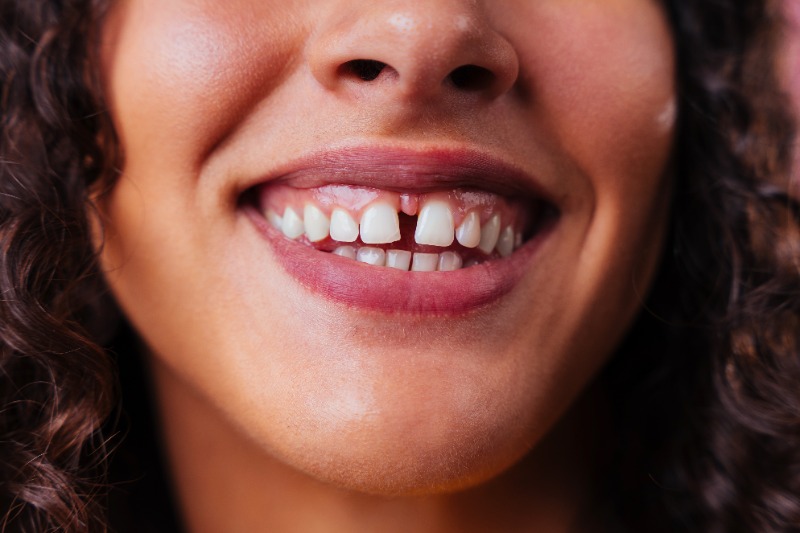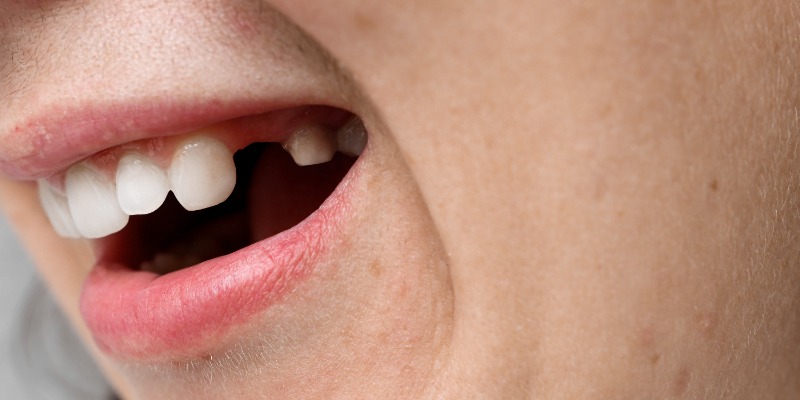

Missing teeth can affect much more than your smile. They can make eating difficult, change the way you speak, and even impact your confidence. Fortunately, dentures remain one of the most reliable and affordable ways to restore your smile.
In this article, Dr. Siavash Alam of English Bay Dental explains what dentures are, who they're best suited for, and why they continue to be one of the most cost-effective tooth replacement solutions available.
What Is a Denture?
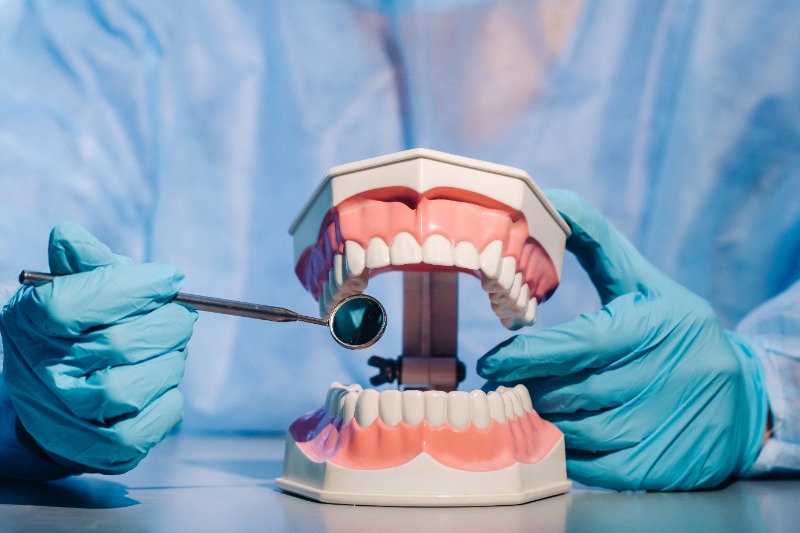
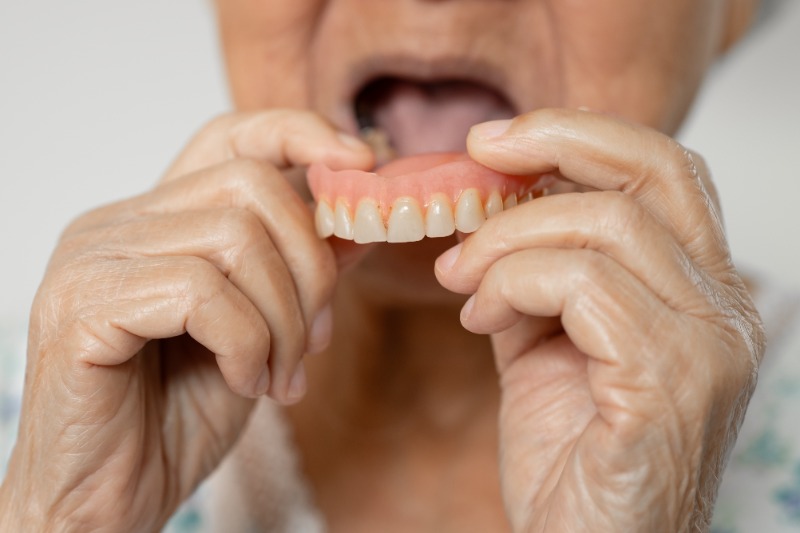
A denture is a custom-made removable appliance designed to replace missing teeth and the surrounding gum tissue. Modern dentures are carefully crafted to look natural, fit comfortably, and restore both function and appearance.
Dentures can replace:
- A few missing teeth (partial dentures)
- All the teeth in the upper jaw
- All the teeth in the lower jaw
- Both upper and lower arches (complete dentures)
Today's dentures are more comfortable, more natural-looking, and more durable than ever before, helping patients regain confidence in their smile.
Who Are Dentures For?
Dentures are an excellent option for people who:
- Have lost multiple teeth
- Are missing all of their teeth
- Want an affordable alternative to dental implants
- Have difficulty chewing due to missing teeth
- Want to improve their smile and facial appearance
- Prefer a non-surgical tooth replacement option
For many patients, dentures restore the ability to eat comfortably, speak clearly, and smile with confidence again.
How Much Do Dentures Cost?
One of the biggest advantages of dentures is affordability.
According to Dr. Siavash Alam, a complete denture typically costs approximately $1,500 per arch, or about $3,000 for both the upper and lower arches.
While every patient's treatment needs are different, dentures are generally one of the most cost-effective ways to replace multiple missing teeth.
If you're looking for a functional, attractive, and budget-friendly tooth replacement solution, dentures offer excellent value.
Why Are Dentures So Cost-Effective?
Replacing each missing tooth individually with dental implants or bridges can become expensive, especially when several teeth are missing.
Dentures provide an affordable solution because they:
- Replace many teeth at once
- Restore chewing ability
- Improve speech
- Support facial muscles and facial appearance
- Enhance confidence
- Can be adjusted or repaired if needed
For many patients, dentures provide the ideal balance between appearance, function, and affordability.
Are Modern Dentures Comfortable?
Many people still picture dentures from decades ago, but today's dentures are much more advanced.
Modern materials and improved techniques allow dentures to fit more comfortably and look far more natural than they once did. While there is an adjustment period for first-time wearers, most patients adapt well with guidance from their dentist.
Regular dental visits also help ensure dentures continue fitting properly as your mouth naturally changes over time.
Dentures vs. Dental Implants
Both dentures and dental implants are excellent tooth replacement options, but the right choice depends on your individual needs.
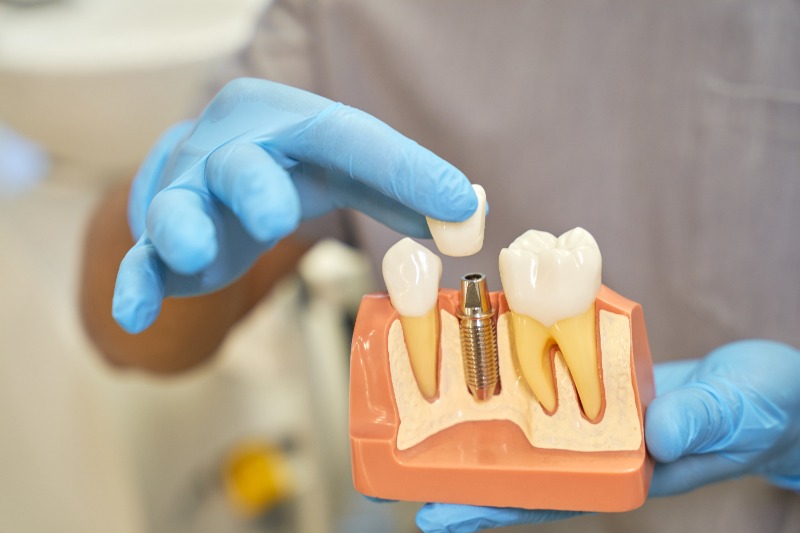
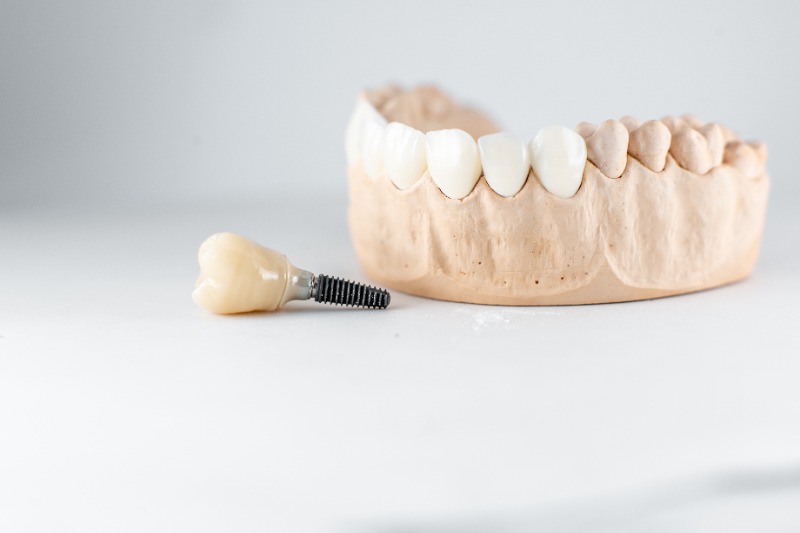
Dental implants offer exceptional stability and longevity, but they involve surgery and typically require a larger financial investment.
Dentures may be the better option if you:
- Need to replace multiple teeth
- Want to avoid surgery
- Have budget considerations
- Want an effective treatment with a lower overall cost
A comprehensive dental examination can help determine which solution is best for your oral health, lifestyle, and long-term goals.
How to Care for Your Dentures
Proper care helps keep dentures comfortable and lasting for years.
To care for your dentures:
- Clean them daily with a denture brush and cleaner.
- Remove them at night unless your dentist advises otherwise.
- Store them properly to prevent drying out.
- Schedule regular dental checkups to monitor the health of your gums and ensure your dentures continue fitting well.
Even if you wear full dentures, routine dental visits remain important for maintaining good oral health.
Restore Your Smile with Confidence
Dentures continue to be one of the most practical and affordable solutions for replacing missing teeth. At approximately $1,500 per arch (around $3,000 for both arches), they can restore your smile, improve your ability to eat and speak, and help you regain confidence without the higher cost of replacing every tooth individually.
If you're considering dentures or exploring your tooth replacement options, speak with an experienced dentist to determine the treatment that's right for you.
Dr. Siavash Alam and the team at English Bay Dental are committed to helping patients restore healthy, confident smiles with personalized treatment options designed to fit their needs and budget.
Learn More from Dr. Alam
Want to know if dentures are right for you? Watch Dr. Alam explain who dentures are for, what they cost, and why they remain one of the most cost-effective ways to replace missing teeth.