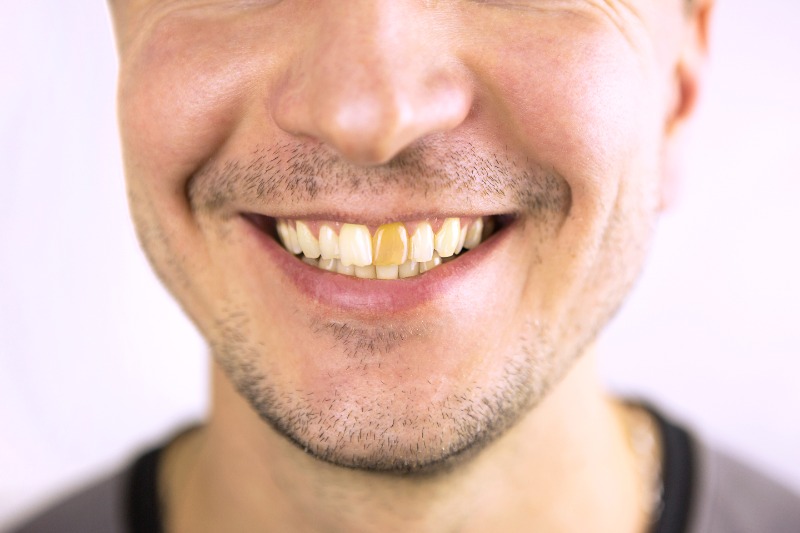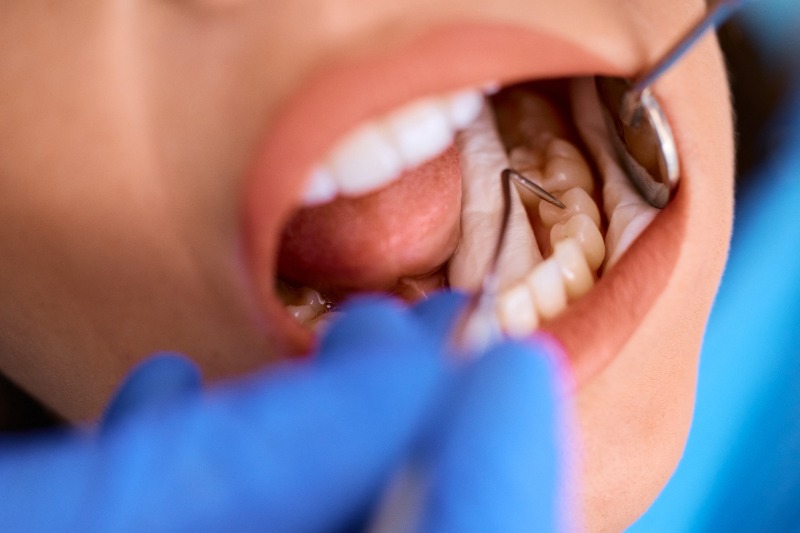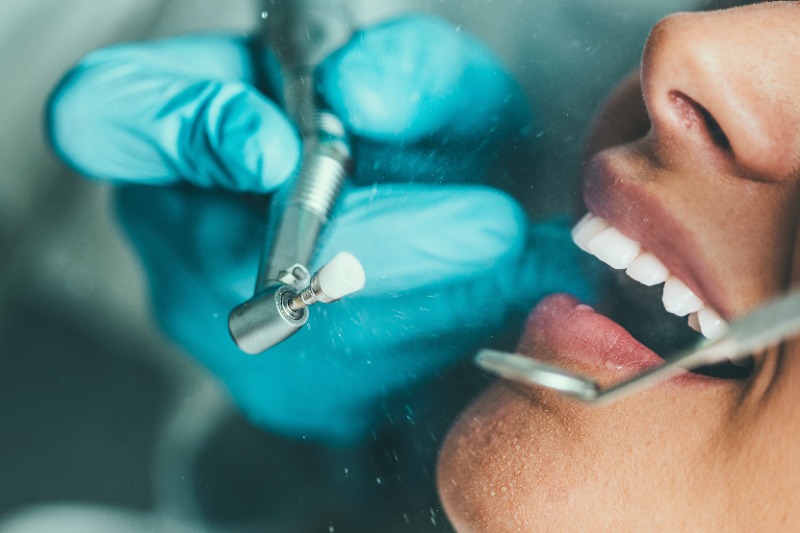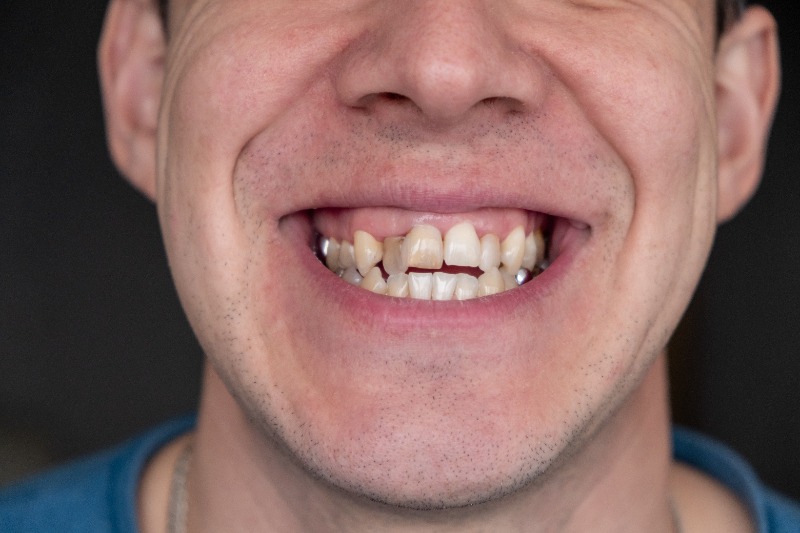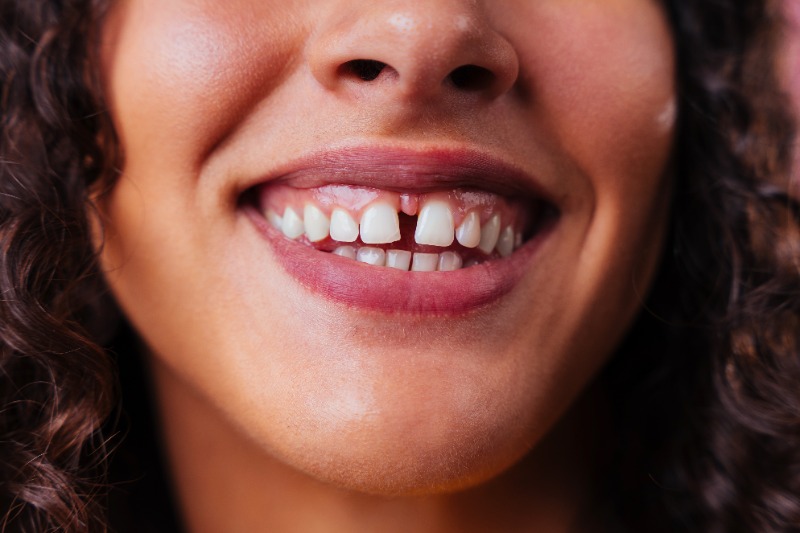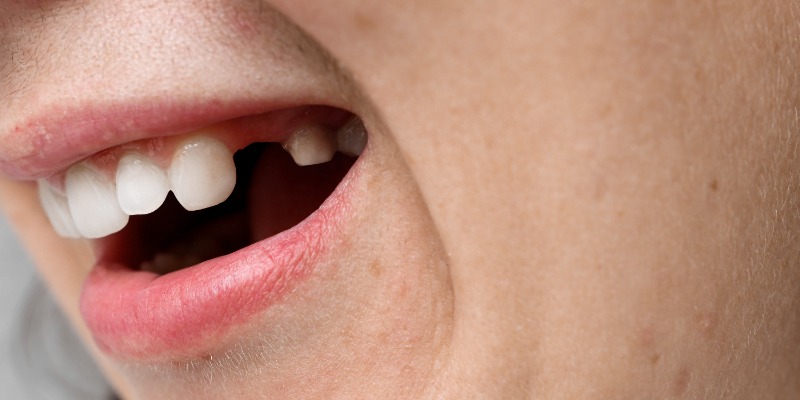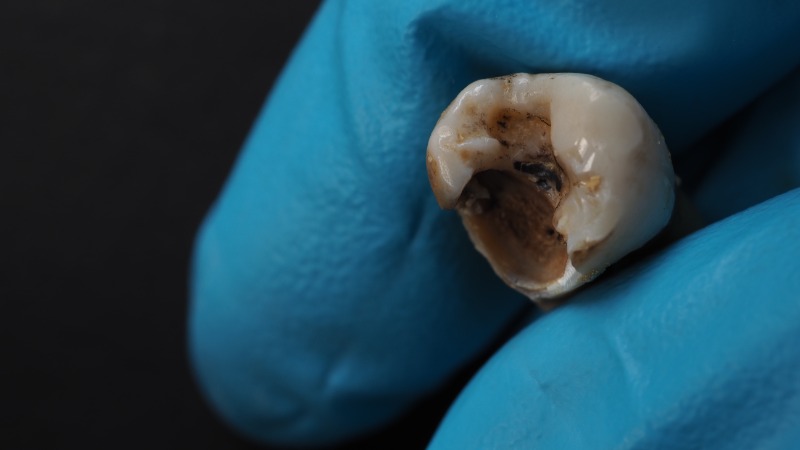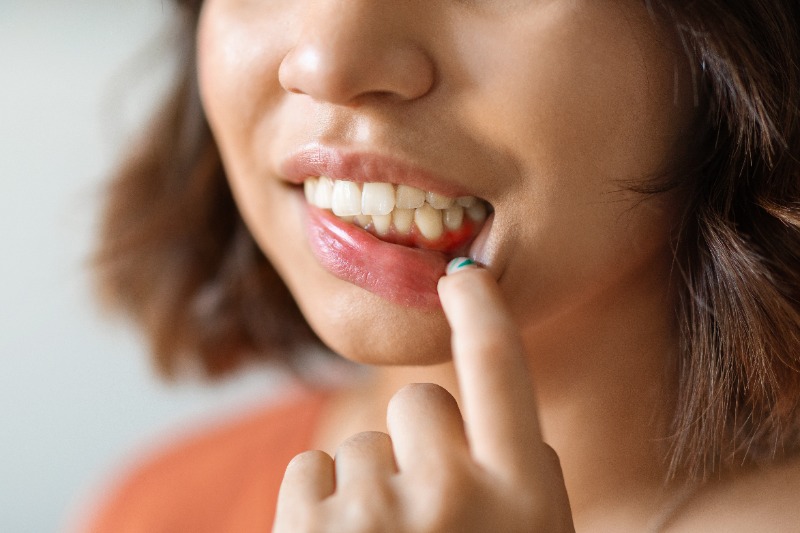

Missing teeth can affect far more than your smile. They can make eating difficult, impact your speech, reduce your confidence, and even contribute to jawbone loss over time. Fortunately, modern dentistry offers several solutions, with conventional dentures and implant-supported dentures being two of the most common options.
If you're wondering which treatment is best—and how much each one costs—this guide explains the differences, benefits, and typical costs to help you make an informed decision.
What Are Conventional Dentures?
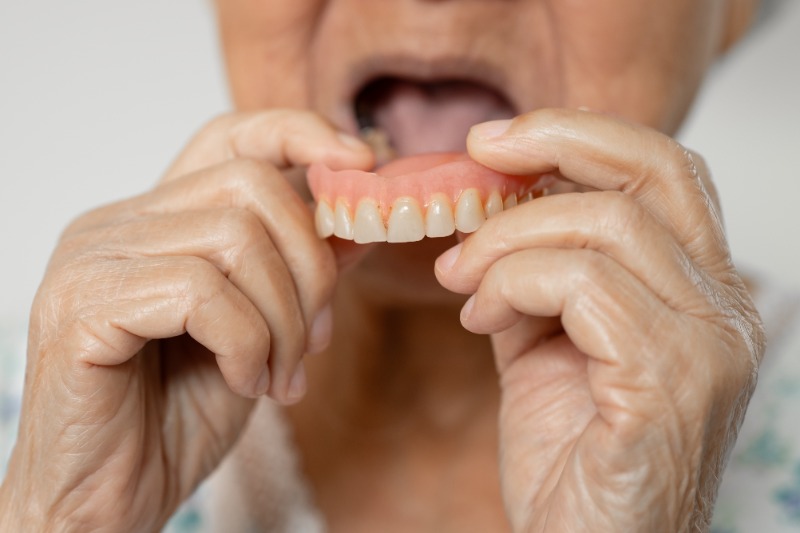
Conventional dentures are removable appliances designed to replace missing teeth. They rest directly on the gums and are custom-made to fit your mouth.
There are two main types:
- Full dentures for patients missing all teeth in an arch
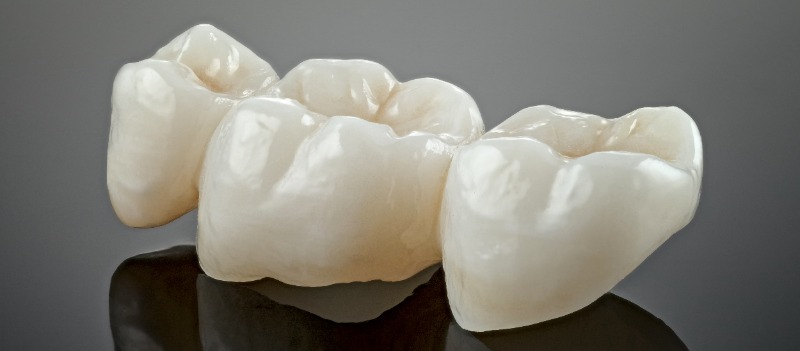
- Partial dentures for patients missing several teeth while retaining healthy natural teeth
Conventional dentures have restored millions of smiles and remain one of the most affordable tooth replacement options.
Benefits of Conventional Dentures
- Lower upfront cost
- Non-surgical treatment
- Faster treatment timeline
- Custom-made for a natural appearance
- Easy to repair or replace if needed
However, because they sit on the gums instead of being anchored to the jawbone, dentures can gradually become loose as the bone changes over time.
What Are Implant-Supported Dentures?
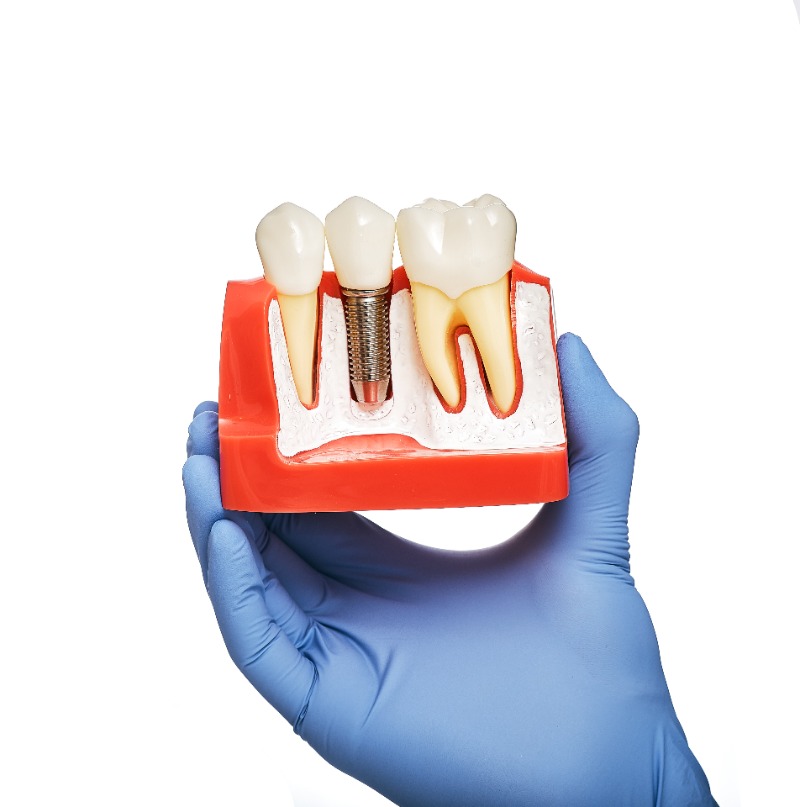
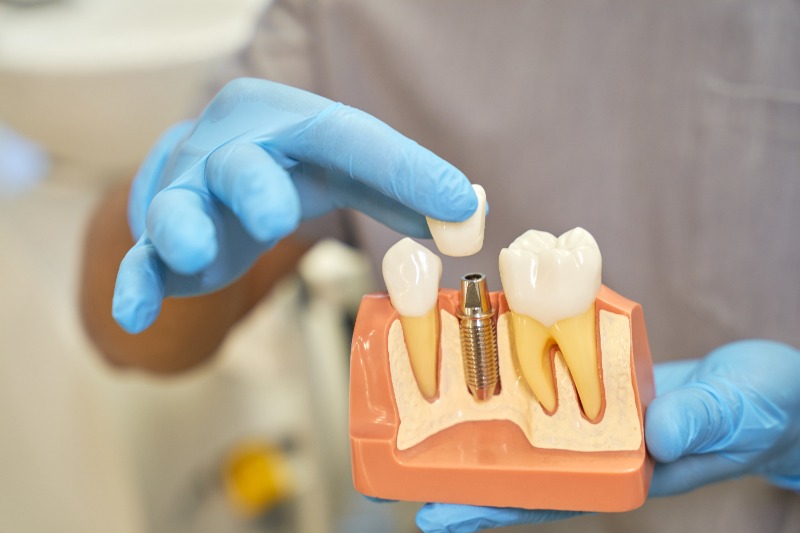
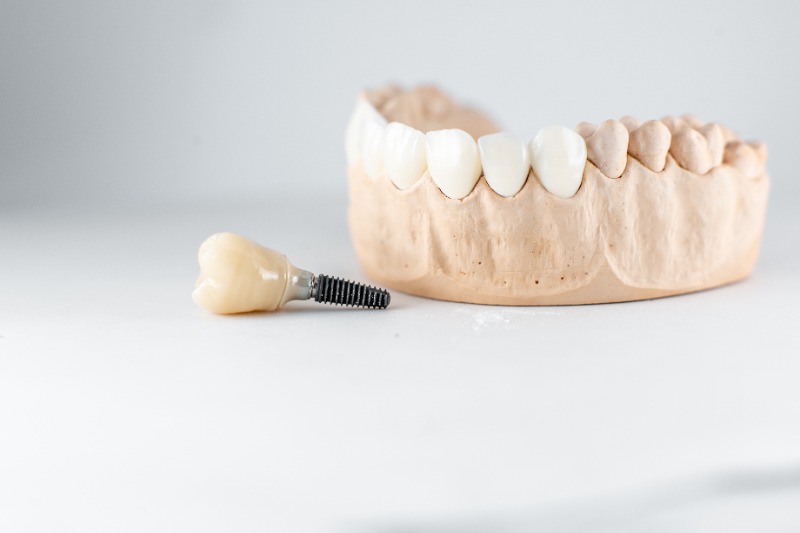
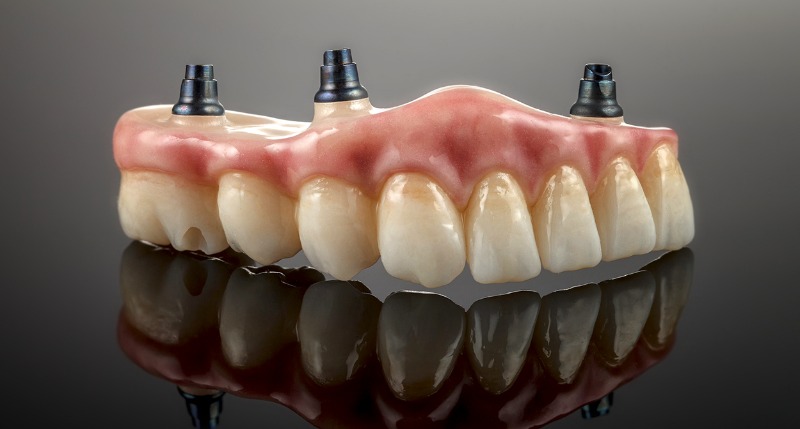
Implant-supported dentures combine dental implants with a removable or fixed denture. Small titanium implants are surgically placed into the jawbone, creating a stable foundation for the denture.
Unlike traditional dentures, implant-supported dentures "snap" or attach securely to the implants, significantly improving stability and function.
Many patients describe them as feeling much closer to natural teeth.
Implant-Supported Dentures vs. Conventional Dentures
Stability
One of the biggest differences is stability.
Conventional dentures rely on suction, adhesives, and the shape of your gums to stay in place. They may shift while eating or speaking.
Implant-supported dentures are securely anchored to implants, greatly reducing movement.
Winner: Implant-supported dentures
Comfort
Loose dentures can create sore spots and irritation.
Because implant-supported dentures stay securely in place, many patients find them more comfortable during daily activities.
Winner: Implant-supported dentures
Eating Ability
Traditional dentures can make chewing harder foods difficult.
Implant-supported dentures restore much stronger bite force, allowing patients to enjoy foods such as:
- Steak
- Apples
- Corn on the cob
- Nuts
- Crunchy vegetables
Winner: Implant-supported dentures
Jawbone Health
After tooth loss, the jawbone naturally shrinks because it no longer receives stimulation from tooth roots.
Traditional dentures do not stop this process.
Dental implants stimulate the jawbone similarly to natural tooth roots, helping preserve bone and facial structure.
Winner: Implant-supported dentures
Appearance
Both options can look very natural when professionally designed.
However, implant-supported dentures often provide better lip support and facial fullness over the long term because they help preserve bone.
Maintenance
Conventional dentures require:
- Daily cleaning
- Occasional relining
- Periodic replacement as the jaw changes
Implant-supported dentures also require daily cleaning and regular dental visits but generally need fewer adjustments due to their stability.
Cost of Conventional Dentures in Vancouver
The cost of conventional dentures varies depending on the materials used and whether a full or partial denture is required.
Typical price ranges include:
- Partial dentures: approximately $1,500–$3,500
- Complete dentures: approximately $2,000–$5,000 per arch
Additional costs may apply for:
- Tooth extractions
- Immediate dentures
- Denture relines
- Future replacements
Cost of Implant-Supported Dentures in Vancouver
Implant-supported dentures involve both the denture and dental implants, making the initial investment higher.
Typical treatment costs may range from:
- $15,000–$30,000+ per arch
The final cost depends on several factors, including:
- Number of implants required
- Bone grafting, if needed
- Type of implant-supported denture
- Complexity of the case
- Materials used
While implant-supported dentures have a higher upfront cost, many patients appreciate their improved comfort, stability, and long-term function.
Which Denture Option Lasts Longer?
Conventional dentures typically require replacement every 5–10 years, depending on wear and changes in the jaw.
Dental implants themselves can last for decades with proper care. The denture attached to them may eventually need maintenance or replacement, but the implants often remain in place for many years.
Are Implant-Supported Dentures Worth It?
For many patients, the answer is yes.
They offer:
- Improved chewing ability
- Greater confidence while speaking
- Better comfort
- Reduced denture movement
- Bone preservation
- Improved quality of life
However, conventional dentures remain an excellent solution for patients looking for a more affordable, non-surgical option.
The right choice depends on your oral health, lifestyle, goals, and budget.
Which Option Is Right for You?
Every smile is unique. During a consultation, your dentist will evaluate:
- Your remaining teeth
- Bone density
- Overall oral health
- Medical history
- Budget
- Long-term goals
Based on this assessment, they can recommend the most suitable tooth replacement option for your needs.
If you're considering dentures or dental implants, the experienced team at English Bay Dental can help you explore your options and develop a personalized treatment plan. Learn more or book a consultation at https://englishbaydentist.com/.
Frequently Asked Questions
Are implant-supported dentures removable?
Some are removable for cleaning, while others are fixed and can only be removed by your dentist.
Do implant-supported dentures hurt?
The implant procedure is performed under local anesthesia, and most patients report that recovery is more comfortable than expected.
How many implants are needed?
Most implant-supported dentures use between 2 and 6 implants per arch, depending on the treatment plan.
Which option is more affordable?
Conventional dentures have a significantly lower initial cost, while implant-supported dentures provide greater long-term stability and function.