
Most people have heard of veneers and dental crowns, but many assume they're interchangeable. While both can improve the appearance of your smile, they serve different purposes and are recommended in different situations.
If you're considering cosmetic dental treatment, understanding the difference between veneers and crowns can help you make a more informed decision before speaking with your dentist.
What Is a Dental Veneer?
A dental veneer is a thin shell, typically made of porcelain or composite resin, that is bonded to the front surface of a tooth.
Veneers are designed primarily to improve the appearance of healthy teeth. They can enhance the color, shape, size, and symmetry of your smile while preserving most of your natural tooth structure.
Dentists commonly recommend veneers for:
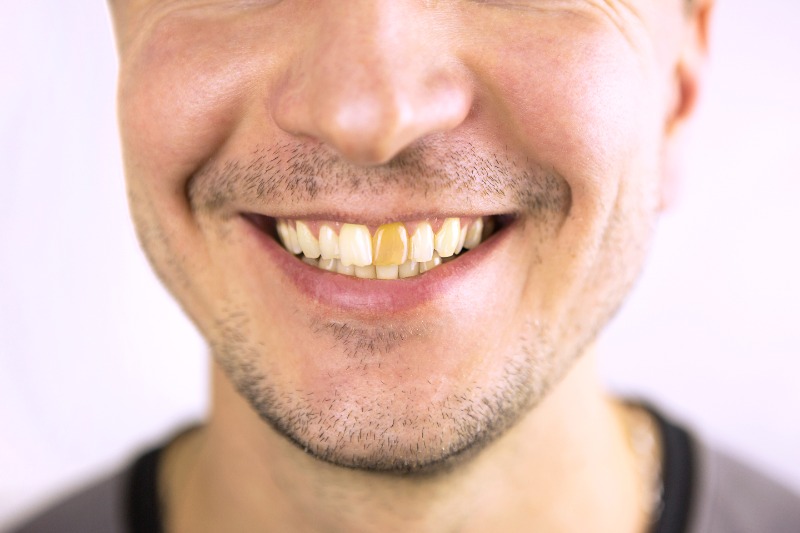
- Discolored teeth that don't respond to whitening
- Small chips or minor wear
- Slightly uneven teeth
- Small gaps between teeth
- Minor cosmetic imperfections
Because veneers require minimal preparation, they are often considered a conservative cosmetic treatment.
What Is a Dental Crown?
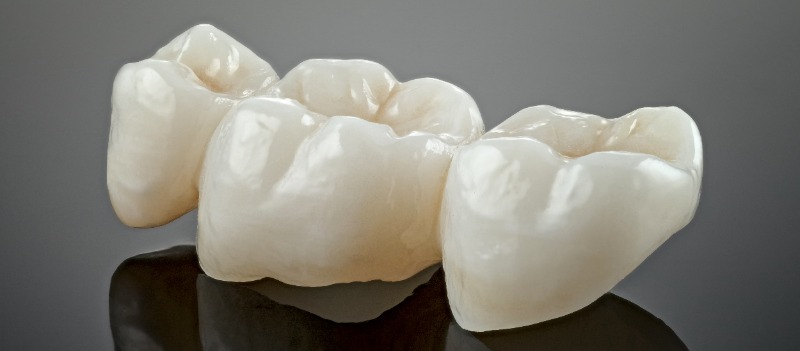
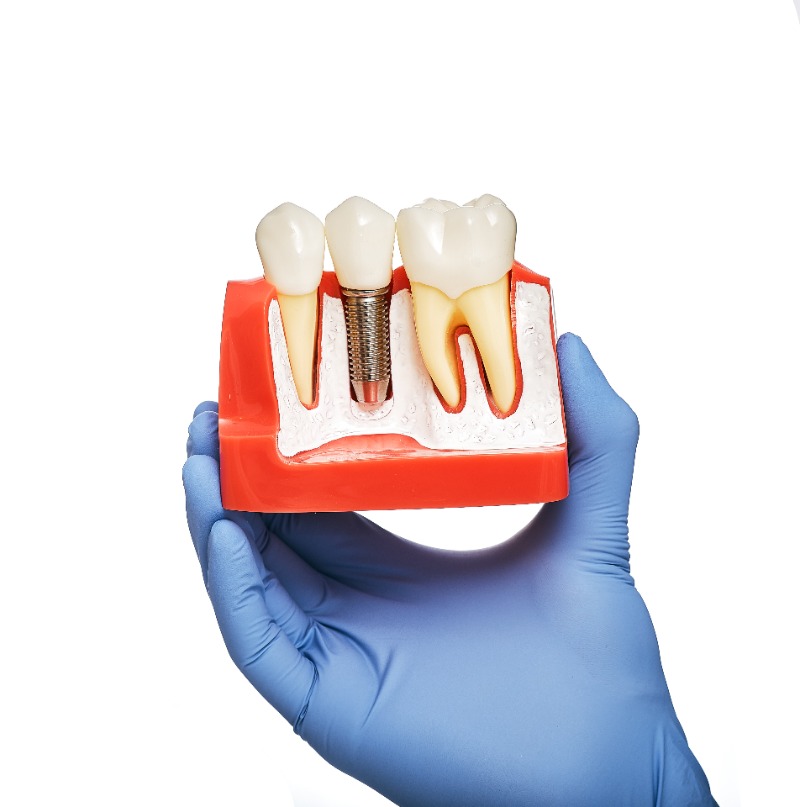
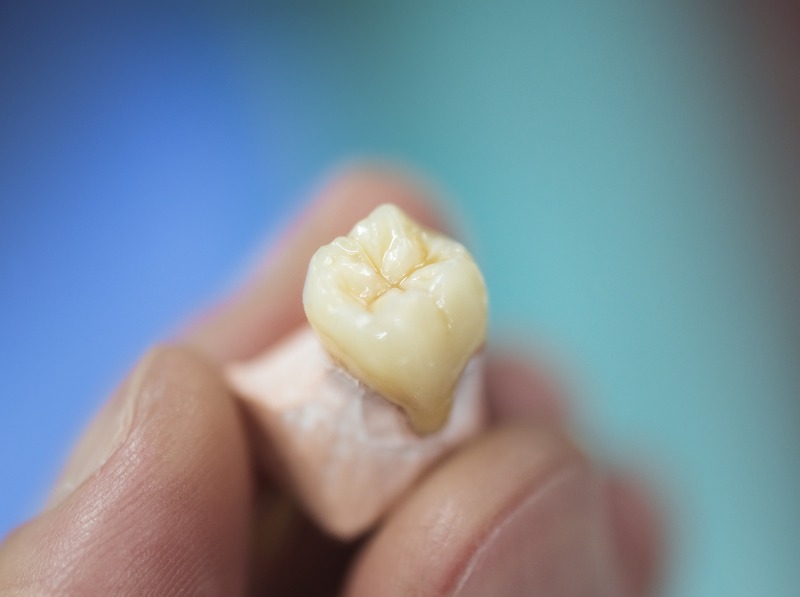
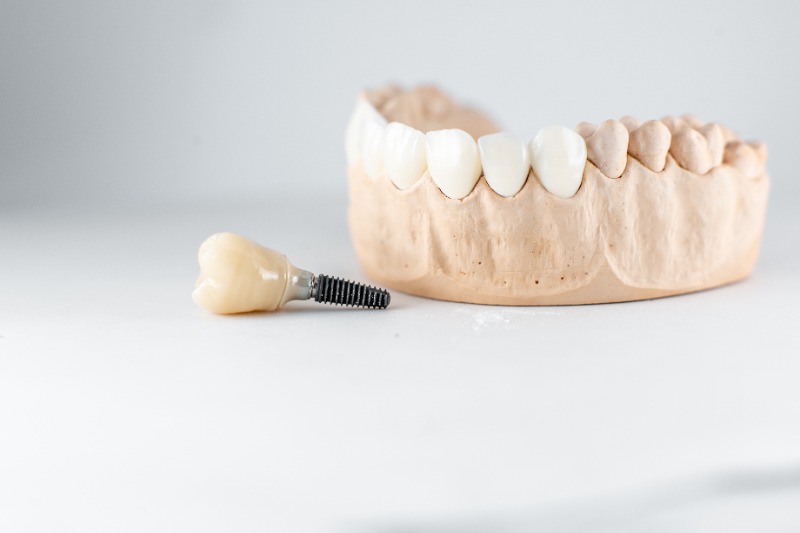
A dental crown is a custom-made restoration that covers the entire visible portion of a tooth.
Unlike veneers, crowns are designed to restore both strength and function, making them an excellent option for teeth that have been weakened or damaged.
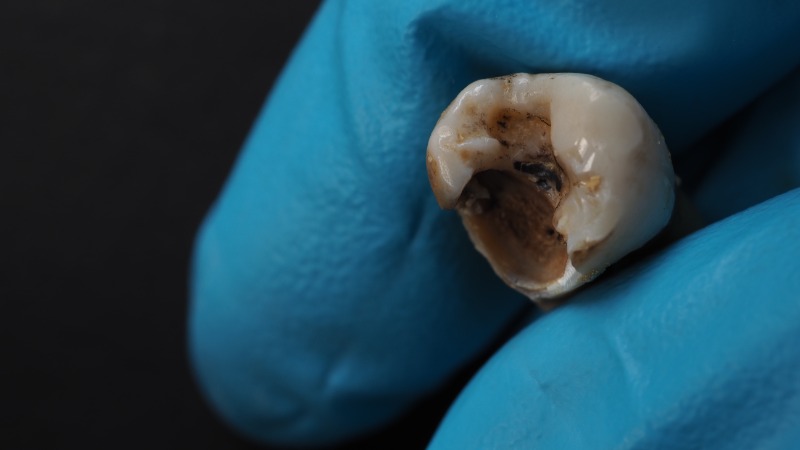
Crowns are commonly recommended when a tooth has:
- Extensive decay
- A large filling
- A fracture or crack
- Undergone root canal treatment
- Significant loss of tooth structure
By surrounding the entire tooth, a crown helps protect it from future damage while restoring its appearance and function.
Veneers vs. Crowns: What's the Difference?
Although both treatments can improve your smile, the biggest difference is how much of the tooth they cover.
VeneersCrownsCover only the front surfaceCover the entire toothPrimarily cosmeticCosmetic and restorativePreserve more natural toothProvide maximum protectionBest for healthy teethBest for damaged or weakened teeth
The best option depends on the condition of your tooth—not simply your cosmetic goals.
Which Option Looks Better?
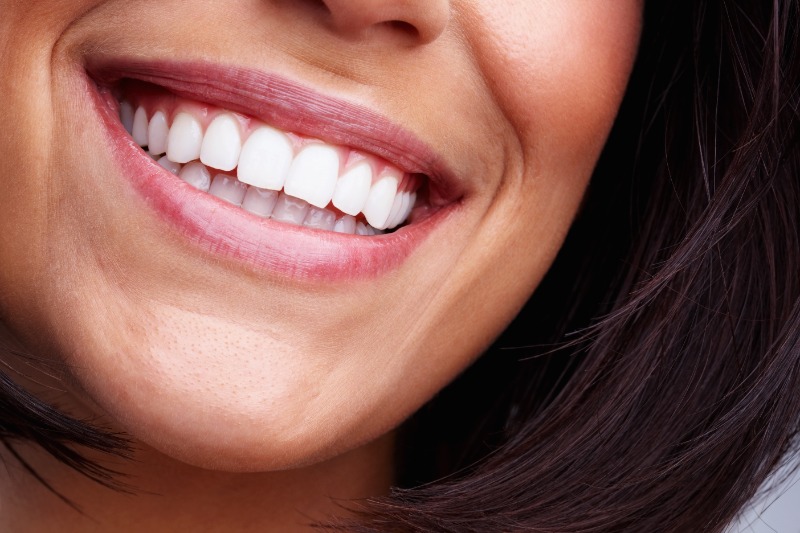
Modern dental materials have made both veneers and crowns incredibly lifelike.
High-quality porcelain can closely mimic the color, translucency, and texture of natural enamel, making it difficult to distinguish a restoration from a natural tooth.
When designed properly, both treatments can produce beautiful, natural-looking smiles.
Which Lasts Longer?
Both veneers and crowns are durable, but their lifespan depends on several factors, including:
- Oral hygiene
- Diet
- Teeth grinding
- Regular dental checkups
- Overall oral health
With proper care, many patients enjoy their restorations for well over a decade.
The key is maintaining healthy gums and preventing excessive wear or trauma to the teeth.
Can a Veneer Become a Crown Later?
Yes.
Sometimes a tooth that initially receives a veneer may eventually require a crown if it becomes damaged, develops extensive decay, or loses additional tooth structure over time.
This is one reason dentists aim to preserve as much healthy tooth as possible while still recommending the most appropriate treatment.
How Dentists Decide Between Veneers and Crowns
Choosing the right treatment involves much more than appearance.
Your dentist evaluates factors such as:
- The amount of healthy tooth remaining
- Existing restorations
- Bite alignment
- Tooth position
- Risk of fracture
- Long-term prognosis
- Your smile goals
Every recommendation is based on achieving the best long-term outcome for both function and aesthetics.
Questions to Ask Your Dentist
Before deciding on veneers or crowns, consider asking:
- Why is this treatment recommended?
- Are there more conservative alternatives?
- How long is the restoration expected to last?
- What maintenance is required?
- Will this treatment affect neighboring teeth?
- What happens if the restoration needs replacement in the future?
Understanding your options helps you become an active participant in your oral healthcare decisions.
The Bottom Line
There is no universal "better" option between veneers and crowns.
A veneer may be ideal for a healthy tooth that needs cosmetic enhancement.
A crown may be the better choice for a tooth that requires additional protection and strength.
The right treatment depends on your individual oral health, the condition of the tooth, and your long-term goals. A comprehensive dental examination is the best way to determine which option is right for you.
Find a Qualified Cosmetic Dentist
If you're considering veneers or crowns, consult with a licensed dentist who can evaluate your smile and recommend the treatment that's best for your needs.
To learn more about oral health, cosmetic dentistry, and evidence-based dental care, explore more educational resources at PromptHealth.ca.
If you're looking for a trusted dentist in your area, you can also visit MyDentistNearMe (MDNM) to find experienced dental professionals offering cosmetic and restorative dentistry across Canada.