Women’s/Men’s Health
Skin Health
Immune System and Energy
Nutrition
Preventative Health
Sleep
Mood/Mental Health
Pain Management
Fitness
Oral Care

PromptHealth Community Feed

How Invisalign Works: A Richmond Dentist Explains Clear Aligners
Dr. Wise Tang
Dr. Wise Tang
2026/04/12
5mins read

How Invisalign Works: A Richmond Dentist Explains Clear Aligners

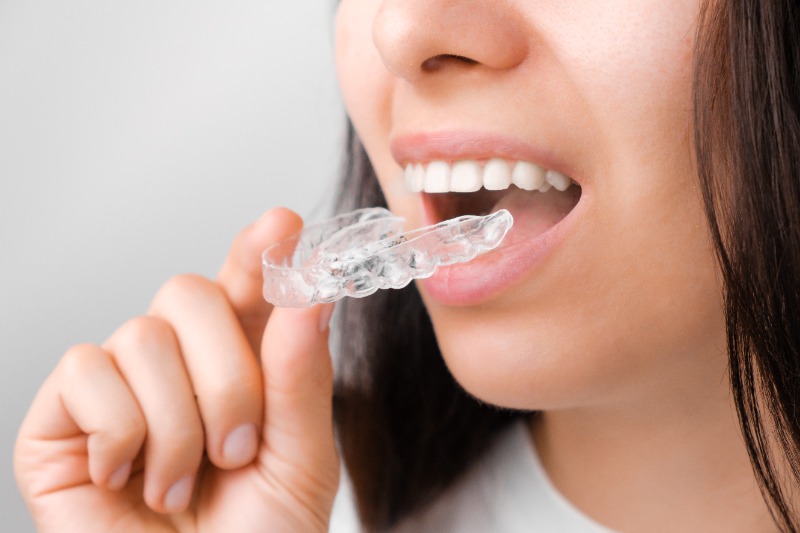
If you’ve been thinking about straightening your teeth but don’t want traditional metal braces, Invisalign may be the solution you’ve been looking for. Invisalign uses a series of clear, custom-made aligners to gradually move your teeth into the correct position — comfortably and discreetly.

At Lansdowne Dental Centre in Richmond, Dr. Tang helps patients improve their smiles using Invisalign treatment designed to fit their lifestyle and dental needs.


Is Invisalign?

Invisalign is an orthodontic treatment that uses clear plastic aligners instead of metal brackets and wires. These aligners are custom-made to fit your teeth and gently shift them into alignment over time.

Because the aligners are clear and removable, Invisalign has become a popular option for teens and adults who want a more discreet way to straighten their teeth.

Many patients in Richmond choose Invisalign because it allows them to improve their smile without the appearance of traditional braces.


How Invisalign Works Step-by-Step

Invisalign treatment follows a carefully planned process to gradually move your teeth into the correct position.

Step 1: Consultation and Digital Scan

Your Invisalign journey begins with a consultation. During this visit, Dr. Tang will:

  • Examine your teeth and bite
  • Discuss your smile goals
  • Take digital 3D scans of your teeth

These digital scans are used to create a personalized treatment plan that shows how your teeth will move throughout the process.


Step 2: Custom Aligners Are Created

Once your treatment plan is finalized, a series of custom Invisalign aligners is created specifically for your teeth.

Each aligner is slightly different and designed to move your teeth gradually toward their final position.


Step 3: Wearing Your Aligners Daily

For Invisalign to work effectively, aligners must be worn:

20–22 hours per day

You remove them only when:

  • Eating
  • Drinking anything other than water
  • Brushing and flossing

Most patients switch to a new set of aligners every 1–2 weeks, depending on their treatment plan.


Step 4: Gradual Tooth Movement

Each new set of aligners gently shifts your teeth a little closer to the desired position.

Over time, these small movements create noticeable improvements in:

  • Tooth alignment
  • Bite function
  • Overall smile appearance

Regular checkups ensure that your treatment stays on track.


Step 5: Retainers After Treatment

After completing Invisalign treatment, retainers are used to keep your teeth in their new position.

This step is important to maintain long-term results and prevent teeth from shifting back.


What Dental Issues Can Invisalign Fix?

Invisalign is effective for treating many common orthodontic concerns, including:

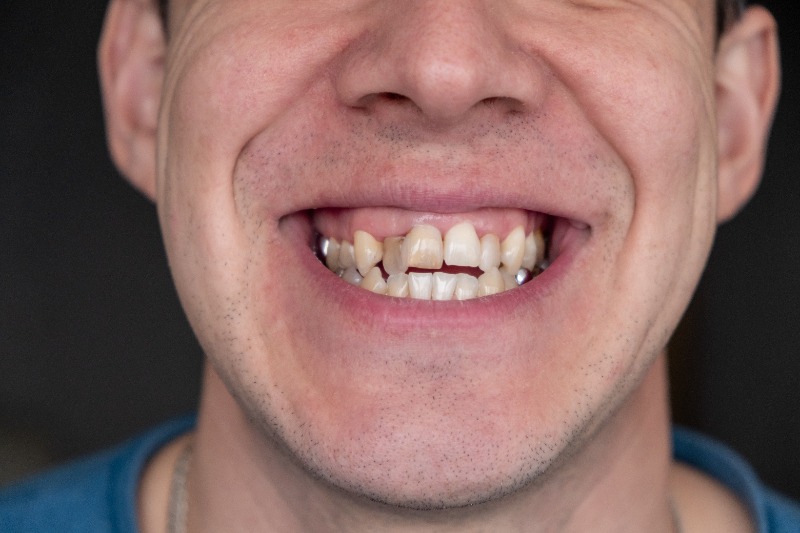
  • Crooked teeth
  • Crowded teeth
  • Gaps between teeth
  • Overbite
  • Underbite
  • Crossbite
  • Mild to moderate misalignment

During your consultation, Dr. Tang will determine whether Invisalign is the right solution for your specific needs.


How Long Does Invisalign Take?

Treatment time varies depending on the complexity of your case.

Most Invisalign treatments take:

6 to 18 months

Some minor alignment cases may take less time, while more complex cases may require longer treatment.

Following instructions — especially wearing aligners consistently — plays a major role in achieving faster results.


Benefits of Invisalign

Many patients prefer Invisalign because it offers several advantages over traditional braces.

Nearly Invisible Appearance

The clear aligners are discreet, making Invisalign ideal for adults and teens who want a less noticeable treatment option.


Comfortable Fit

Invisalign aligners are made from smooth plastic, reducing irritation often associated with metal brackets and wires.


Removable Convenience

Unlike braces, Invisalign aligners can be removed when eating, brushing, and flossing.

This allows:

  • Easier oral hygiene
  • Fewer dietary restrictions
  • Greater convenience in daily life

Predictable Results

Digital treatment planning allows patients to see a preview of their expected results before starting treatment.

This helps patients feel confident about their Invisalign journey.


Is Invisalign Right for You?

Invisalign is a great option for many patients, but it may not be suitable for every case.

You may be a good candidate if you:

  • Have mild to moderate alignment issues
  • Want a discreet orthodontic solution
  • Can commit to wearing aligners daily
  • Maintain good oral hygiene

A professional evaluation is the best way to determine whether Invisalign is right for your smile.


Invisalign Treatment in Richmond, BC

If you’re considering Invisalign in Richmond, working with an experienced dental provider is essential.

At Lansdowne Dental Centre, Dr. Tang provides personalized Invisalign treatment plans designed to help patients achieve healthier, more confident smiles.

With advanced digital technology and customized care, Invisalign can transform your smile while fitting comfortably into your lifestyle.


Book an Invisalign Consultation in Richmond

If you’re ready to straighten your teeth with clear aligners, scheduling a consultation is the first step.

Dr. Tang and the team at Lansdowne Dental Centre in Richmond can help you determine whether Invisalign is the right option for your needs and guide you through every stage of treatment.

A straighter smile may be closer than you think.


Root Canal Treatment in Vancouver — What to Expect with Dr. Cole Wedman at Georgia Dental Group
6mins read

Root Canal Treatment in Vancouver — What to Expect with Dr. Cole Wedman at Georgia Dental Group

If you're experiencing severe tooth pain or infection, a root canal treatment may be the best way to save your natural tooth and relieve discomfort.

Dr. Cole Wedman at Georgia Dental Group in Vancouver provides modern root canal treatment designed to be comfortable, efficient, and effective. With today's dental technology, root canals are much more comfortable than many patients expect.

Many patients searching for root canal treatment in Vancouver want fast relief from pain and a solution that protects their long-term oral health. Root canal therapy is one of the most reliable ways to treat infected teeth without extraction.


What Is a Root Canal?

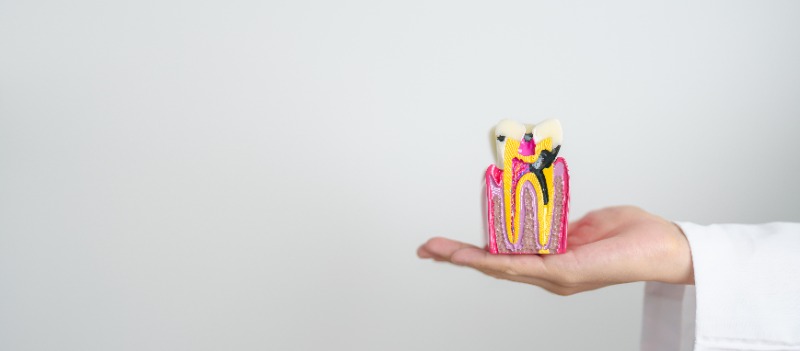
A root canal is a dental procedure used to treat infection inside a tooth. When bacteria reach the inner pulp of a tooth, it can cause severe pain, swelling, and long-term damage if left untreated.

Root canal treatment removes the infected tissue, cleans the inside of the tooth, and seals it to prevent further infection.

Root canals are commonly recommended when:

  • A cavity becomes deep enough to reach the tooth pulp
  • A tooth is cracked or damaged
  • There is an untreated infection
  • A tooth becomes extremely sensitive to heat or cold

Saving the natural tooth is often the preferred option whenever possible.

Signs You May Need a Root Canal

Many patients wonder whether their symptoms require root canal treatment. Certain signs strongly indicate that a tooth infection may be present.

You may need a root canal if you experience:

  • Persistent tooth pain
  • Sensitivity to hot or cold that lingers
  • Pain when biting or chewing
  • Swelling in the gums
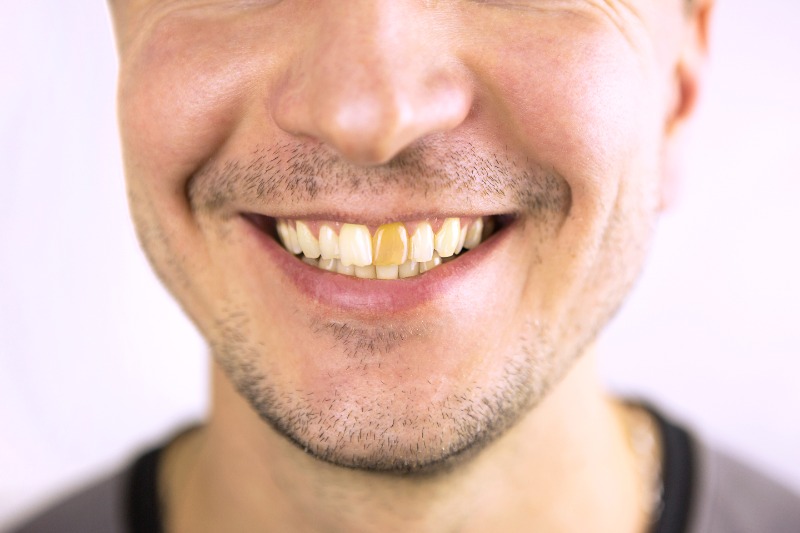
  • Darkening of a tooth
  • A small bump on the gums (possible abscess)

If you notice any of these symptoms, early treatment can prevent complications and reduce discomfort.

What Causes a Tooth Infection?

Tooth infections typically develop when bacteria enter the inner part of the tooth. Common causes include:

  • Untreated cavities
  • Cracked or broken teeth
  • Trauma to the tooth
  • Repeated dental procedures on the same tooth
  • Advanced gum disease

Routine dental visits help detect these issues before they become serious.

What Happens During a Root Canal Procedure?

Many patients feel nervous about root canal treatment, but understanding the process helps reduce anxiety. Here is what typically happens:

Step 1 — Examination and Imaging

Dr. Cole Wedman will examine the tooth and take digital X-rays to confirm the infection.

Step 2 — Local Anesthesia

The tooth and surrounding area are numbed to ensure comfort throughout the procedure.

Step 3 — Cleaning the Infection

The infected pulp inside the tooth is carefully removed, and the root canals are cleaned and shaped.

Step 4 — Sealing the Tooth

The cleaned canals are filled and sealed to prevent reinfection.

Step 5 — Restoration

In most cases, a dental crown is placed later to protect the tooth and restore strength.

Root canal treatment typically takes one or two visits, depending on the severity of the infection.

Does a Root Canal Hurt?

One of the most common concerns patients have is whether root canals are painful. With modern dental techniques and local anesthesia, root canal treatment is usually no more uncomfortable than getting a filling.

Most patients report that the pain they felt before the root canal — caused by infection — is much worse than the procedure itself. After treatment, mild soreness may occur for a few days, but this is usually manageable with over-the-counter medication.

Root Canal vs Tooth Extraction — Which Is Better?

When a tooth becomes infected, patients often wonder whether removing the tooth is a better option. In many cases, saving the natural tooth through a root canal is preferred.

Benefits of root canal treatment include:

  • Preserving your natural tooth
  • Maintaining proper bite alignment
  • Preventing surrounding teeth from shifting
  • Avoiding the need for replacement options like implants or bridges

Tooth extraction may still be recommended if the damage is too severe, but root canal therapy is usually the first option when the tooth can be saved.

How Long Does a Root Canal Last?

A properly treated tooth can last many years — often a lifetime — with good oral hygiene and regular dental visits.

To maintain the treated tooth:

  • Brush twice daily
  • Floss regularly
  • Avoid chewing hard objects
  • Attend routine dental checkups

Placing a crown after treatment significantly improves the long-term durability of the tooth.

Why Choose Dr. Cole Wedman for Root Canal Treatment in Vancouver?

Patients searching for root canal treatment in Vancouver often want a dentist who combines technical expertise with compassionate care. Dr. Cole Wedman provides:

Gentle, Patient-Focused Care

Every step of the procedure is explained clearly to reduce anxiety and ensure comfort.

Modern Dental Technology

Advanced tools improve accuracy and treatment outcomes.

Comprehensive Dental Services

Georgia Dental Group provides both root canal therapy and final restoration, including crowns.

When Should You See a Dentist for Tooth Pain?

Tooth pain is often a warning sign that something is wrong. You should contact a dentist if you experience:

  • Severe or worsening tooth pain
  • Swelling in the gums or face
  • Pain that wakes you at night
  • Lingering sensitivity
  • Signs of infection

Early treatment often prevents more complicated procedures.

Frequently Asked Questions

How long does a root canal take?

Most root canal procedures take 60 to 90 minutes, depending on the complexity of the tooth.

Can I eat after a root canal?

Yes, but it is best to avoid chewing on the treated side until the tooth is fully restored.

Will I need a crown after a root canal?

In many cases, yes. A crown helps protect the tooth and prevents future damage.

Is root canal treatment safe?

Root canal treatment is a well-established procedure that has been performed successfully for decades.

Book a Root Canal Consultation with Dr. Cole Wedman in Vancouver

If you're experiencing tooth pain or suspect an infection, scheduling a dental evaluation is the first step toward relief. Dr. Cole Wedman at Georgia Dental Group provides root canal treatment in Vancouver focused on preserving natural teeth and restoring comfort.

Early diagnosis and treatment can make a significant difference in preventing further complications.

Connect and stay engaged with your wellness community.

Subscribe to the PromptHealth newsletter for monthly updates.

Subscribe to PromptHealth wellness newsletter
Top 5 Cosmetic Dental Issues — And How We Fix Them | Vancouver Cosmetic Dentist Explains
4mins read

Top 5 Cosmetic Dental Issues — And How We Fix Them | Vancouver Cosmetic Dentist Explains

Many patients wonder what cosmetic dental problems are most common — and more importantly, how they can be fixed. In this video, Dr. Jocelyn Mitchell, a dentist at Georgia Dental Group in Vancouver, BC, explains the top five cosmetic dental issues he sees most often and the treatment options available to restore a confident smile.

Whether you're dealing with chipped teeth, staining, gaps, or uneven smiles, modern cosmetic dentistry offers solutions that are both effective and natural-looking.


📹 Video Section (Place YouTube Video Here)

Watch: Top 5 Cosmetic Dental Issues Explained by Dr. Jocelyn Mitchell


What Are the Most Common Cosmetic Dental Issues?

According to Dr. Jocelyn Mitchell, many patients come to Georgia Dental Group with similar concerns about their smile. The five most common cosmetic dental issues include:


1. Discolored or Stained Teeth

Tooth discoloration is one of the most common cosmetic concerns.

Common Causes:

  • Coffee and tea
  • Red wine
  • Smoking
  • Aging
  • Certain medications

How It's Fixed:

  • Professional teeth whitening
  • Veneers
  • Bonding
  • Porcelain crowns (in severe cases)

Professional whitening treatments performed by a dentist can dramatically improve brightness in a short time.


2. Chipped or Broken Teeth

Small chips or cracks can affect both the appearance and strength of teeth.

Common Causes:

  • Biting hard foods
  • Sports injuries
  • Accidents
  • Grinding teeth

How It's Fixed:

  • Dental bonding
  • Veneers
  • Crowns (for larger damage)

Bonding is often a quick and effective solution that restores both shape and function.


3. Gaps Between Teeth

Spaces between teeth can make patients feel self-conscious about their smile.

Common Causes:

  • Natural tooth spacing
  • Missing teeth
  • Jaw alignment differences

How It's Fixed:

  • Invisalign or orthodontics
  • Dental bonding
  • Veneers

Modern orthodontic options like Invisalign allow teeth to be straightened discreetly.


4. Uneven or Worn Teeth

Teeth that appear uneven, short, or worn down can impact smile symmetry.

Common Causes:

  • Teeth grinding (bruxism)
  • Natural wear
  • Bite issues

How It's Fixed:

  • Veneers
  • Crowns
  • Enamel reshaping
  • Night guards (to prevent future wear)

Restoring worn teeth improves both appearance and bite balance.


5. Crooked or Misaligned Teeth

Misalignment can affect both aesthetics and oral health.

Common Causes:

  • Genetics
  • Crowding
  • Jaw development

How It's Fixed:

  • Invisalign
  • Braces
  • Veneers (for cosmetic correction)

Straightening teeth improves smile aesthetics and makes cleaning easier.


When Should You Consider Cosmetic Dentistry?

You may benefit from cosmetic dental treatment if you:

  • Feel self-conscious about your smile
  • Avoid smiling in photos
  • Notice discoloration, chips, or gaps
  • Want a more confident appearance
  • Are preparing for a major life event

Many cosmetic treatments are minimally invasive and customized to each patient’s goals.


Cosmetic Dentistry Options Available in Vancouver

At Georgia Dental Group, cosmetic treatments may include:

  • Professional teeth whitening
  • Porcelain veneers
  • Dental bonding
  • Invisalign
  • Smile makeovers
  • Dental crowns

Each treatment plan is personalized based on the patient’s needs and desired outcome.


Why Patients in Vancouver Choose Georgia Dental Group

Patients often choose Georgia Dental Group in Vancouver because of:

  • Modern cosmetic dentistry techniques
  • Personalized treatment planning
  • Natural-looking results
  • Experienced dental team
  • Convenient Vancouver location

Working with an experienced cosmetic dentist ensures safe, predictable results.


Book a Cosmetic Consultation in Vancouver

If you're concerned about your smile, a consultation with a dentist can help determine the best treatment options.

Dr. Jocelyn Mitchell and the team at Georgia Dental Group in Vancouver help patients restore confidence through customized cosmetic dentistry solutions.

Book a consultation to learn which treatment is right for your smile.

Dental Implant vs. Bridge: Which Is Right for You? A Vancouver Dentist Explains
3mins read

Dental Implant vs. Bridge: Which Is Right for You? A Vancouver Dentist Explains

What Is a Dental Bridge?

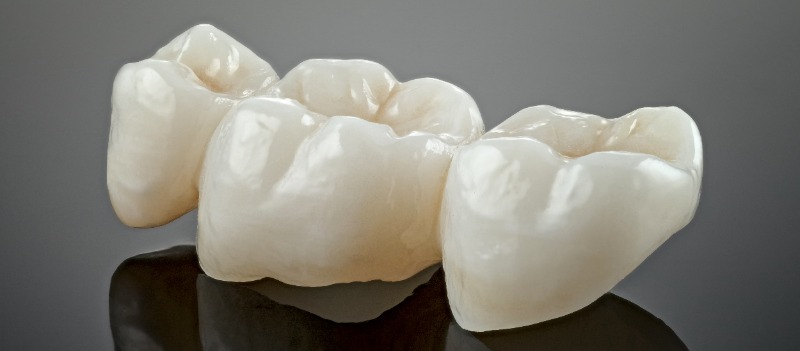
A dental bridge is a fixed restoration that "bridges" the gap left by a missing tooth. It uses the two natural teeth on either side of the gap — called abutment teeth — as anchors. A false tooth (pontic) is attached in the middle, and the whole structure is cemented permanently in place.

How it works: Your dentist prepares the adjacent teeth by removing a layer of enamel so crowns can be placed on them. These crowns support the pontic that fills your missing tooth space.

Typical treatment time: 2–3 appointments over 2–3 weeks.

What Is a Dental Implant?

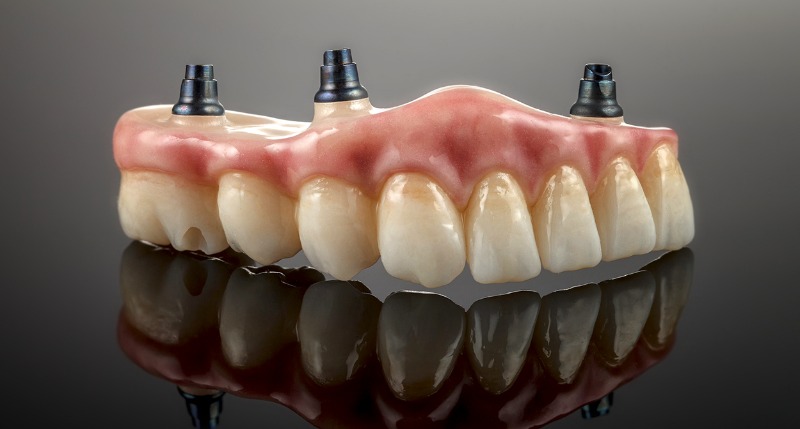
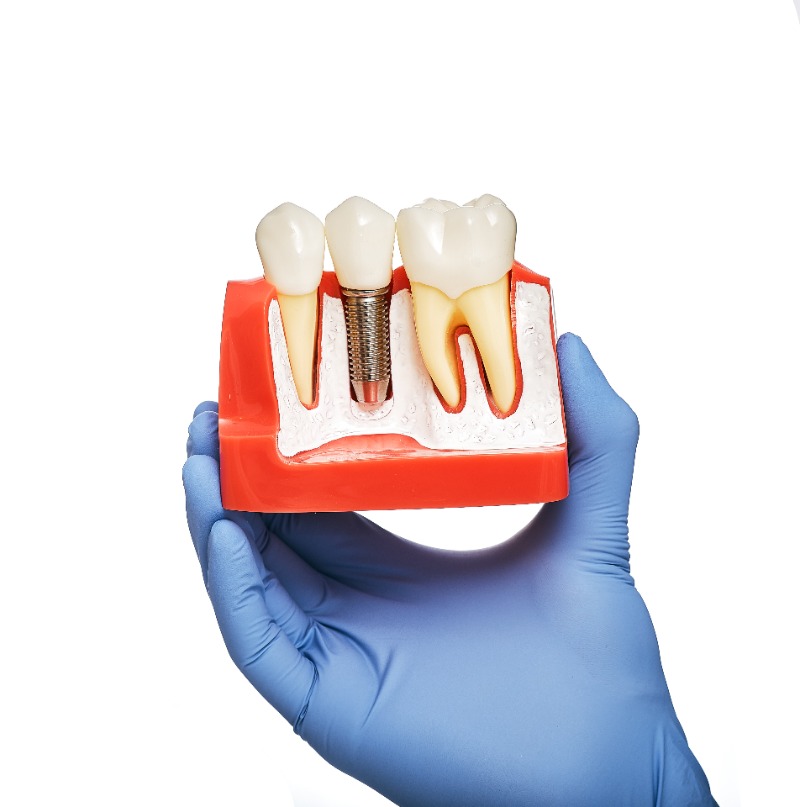
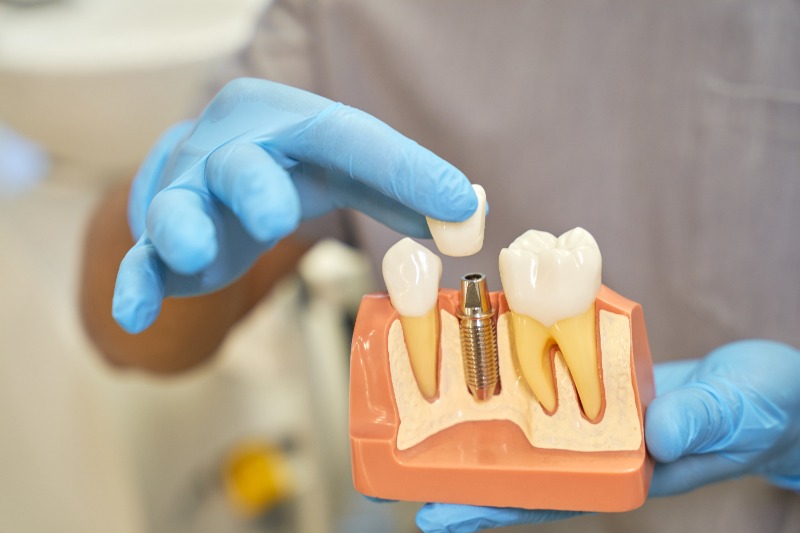
A dental implant is a titanium post that is surgically placed into the jawbone, mimicking the root of a natural tooth. Once it integrates with the bone (a process called osseointegration), a crown is placed on top, creating a replacement tooth that looks, feels, and functions just like a natural one.

How it works: A small titanium post is inserted into the jawbone under local anesthesia. Over 3–6 months, the implant fuses with bone. Then a custom crown is attached.

Typical treatment time: 4–8 months from surgery to final crown.

Key Differences: Dental Implant vs. Bridge

1. Effect on Adjacent Teeth

Bridge: Requires filing down the two neighbouring teeth to support the crowns. This is permanent and those teeth will always need crowns going forward.

Implant: Stands completely on its own. No adjacent teeth are touched or altered.

2. Bone Health

Bridge: Does not stimulate the jawbone beneath the missing tooth, which can lead to bone loss over time.

Implant: Stimulates the jawbone just like a natural tooth root, preventing bone loss and maintaining your facial structure.

3. Longevity

Bridge: Typically lasts 10–15 years before needing replacement.

Implant: Can last a lifetime with proper care. The crown may need replacement after 15–25 years.

4. Cost

Bridge: Lower upfront cost. In Vancouver, a typical bridge ranges from $2,500–$4,500 depending on materials and complexity.

Implant: Higher initial investment — typically $3,000–$6,000 per implant in Vancouver — but often more cost-effective long-term.

5. Candidacy

Bridge: Good option if the adjacent teeth already need crowns, or if you're not a surgical candidate.

Implant: Requires sufficient bone density and healthy gums. Not suitable for those with uncontrolled diabetes or heavy smokers without proper management.

So, Which Is Right for You?

There's no one-size-fits-all answer, but here's a simple guide:

  • Choose a bridge if you want a faster, less invasive solution and your neighbouring teeth need crowns anyway.
  • Choose an implant if you want the most natural, long-lasting result and are willing to invest more time and money upfront.

The best way to decide is to consult with your dentist, who can assess your bone health, overall oral health, budget, and personal preferences.

At our downtown Vancouver dental clinic, we walk every patient through both options thoroughly before recommending a treatment plan. If you're weighing your options, we'd be happy to help you make the right choice for your smile.

Looking for Veneers in Delta, BC — Is This Smile Treatment Right for You?
5mins read

Looking for Veneers in Delta, BC — Is This Smile Treatment Right for You?

If you've ever looked in the mirror and wished your smile looked a little different — whether it's chipped teeth, stubborn staining, gaps, or teeth that feel too small or uneven — porcelain veneers might be exactly what you've been looking for.

I'm Dr. Peyman Hashemi, a general dentist and prosthodontist at Harvard Dental Centre in Delta, BC. Cosmetic dentistry — and veneers in particular — is one of my true passions. With over a decade of experience in prosthodontics and smile design, I've helped hundreds of patients in Delta, Surrey, Ladner, and across the Lower Mainland completely transform how they look and feel about their smile.

In this article, I want to break down everything you need to know about veneers — what they are, who they're for, and what the process actually looks like at our Delta clinic.


What Are Porcelain Veneers?

Veneers are ultra-thin, custom-crafted shells of porcelain that are bonded to the front surface of your teeth. Think of them as a precision-designed cover that transforms the shape, size, colour, and symmetry of your smile — permanently, naturally, and beautifully.

Unlike crowns, which cover the entire tooth, veneers are minimally invasive. We remove only a small amount of enamel from the front of the tooth, making room for the veneer to sit flush and feel completely natural in your mouth.

The result? A smile that looks like the best version of you — not an obvious "dental" look, but a naturally radiant, confident smile.

Who Are Veneers For?

Veneers are one of the most versatile cosmetic dental treatments available. You may be a great candidate if you have:

  • 🦷 Discoloured or stained teeth that don't respond to whitening treatments
  • 🦷 Chipped or cracked teeth that affect your confidence or bite
  • 🦷 Gaps between your teeth that you'd like to close without braces
  • 🦷 Slightly misaligned or uneven teeth — veneers can create the appearance of a straighter smile
  • 🦷 Teeth that are too small or worn down over time
  • 🦷 An uneven gum line combined with cosmetic tooth concerns

Veneers are ideal for adults who have good overall oral health and are looking for a long-lasting, life-changing cosmetic upgrade. If you have active gum disease, significant decay, or heavily worn enamel, we'll treat those concerns first — healthy teeth are always the foundation of a great smile.

What's the Process Like at Harvard Dental Centre?

At our Delta clinic, we take a highly personalized approach to every veneer case. Here's what to expect:

  1. Consultation & Smile Design — We start with a detailed conversation about your goals, and use our iTero digital scanner to create a precise 3D model of your teeth. You'll see a preview of your new smile before we begin.
  2. Tooth Preparation — A very thin layer of enamel is gently removed from the front surface of each tooth. We take impressions (or a digital scan) to send to our dental lab.
  3. Temporary Veneers — You'll wear temporary veneers while your custom porcelain ones are crafted — usually 1–2 weeks.
  4. Bonding Day — Your permanent veneers are carefully checked for fit, colour, and symmetry, then bonded with a strong dental adhesive. The result is immediate and stunning.

How Long Do Veneers Last?

With proper care, porcelain veneers typically last 10 to 20 years. They are stain-resistant, durable, and look incredibly natural under any lighting. We'll guide you on how to care for your veneers to maximize their longevity — simple habits like avoiding biting hard objects and wearing a night guard if you grind your teeth go a long way.

Why Choose Dr. Peyman Hashemi for Veneers in Delta?

Veneers are an art form as much as they are a dental procedure. The outcome depends enormously on the skill, aesthetic sensibility, and prosthodontic training of your dentist. Here's what sets my approach apart:

  • Specialist-level training in prosthodontics — the dental specialty dedicated to restoring and replacing teeth with precision and artistry
  • 13+ years of complex cosmetic and restorative experience, including full mouth smile makeovers
  • iTero digital scanning technology for precise, comfortable impressions and smile previews
  • A warm, patient-centred approach — we listen, we plan, and we never rush
  • Conveniently located in Delta, BC, serving patients from Surrey, Langley, Ladner, Tsawwassen, and the entire Lower Mainland

Ready to Transform Your Smile?

If you've been thinking about veneers — or any cosmetic dental treatment — I'd love to meet you for a consultation. We'll look at your smile together, talk through your options, and create a plan that fits your goals and your budget.

There's no pressure, no rush. Just an honest conversation about what's possible for your smile.

📍 Harvard Dental Centre — #201 – 6935 120th St., Delta, BC V4E 2A8

📞 (604) 599-5600

🌐 www.harvarddentalcentre.com

📅 Book a consultation today — your new smile is closer than you think.

Why Dental Checkups Are More Important Than You Think
2mins read

Why Dental Checkups Are More Important Than You Think

As a dentist with over a decade of experience in general dentistry, prosthodontics, and implantology, one of the most common things I hear from patients is: "I only come in when something hurts." I understand — life gets busy. But this mindset is one of the biggest obstacles to lasting oral health.

Regular dental checkups are not just about cleaning your teeth. They are your first line of defense against issues that, when caught early, are simple and affordable to treat — but when ignored, can become complex, painful, and costly.

What We're Really Looking For

During a routine visit at Harvard Dental Centre, we do much more than polish your teeth. We use state-of-the-art diagnostic tools, including our iTero intraoral digital scanners and VELscope oral cancer screening, to look for:

  • Early signs of tooth decay — often before you feel any pain
  • Gum disease (periodontal disease), which is the leading cause of tooth loss in adults
  • Oral cancer — early detection dramatically improves outcomes
  • TMJ issues and bite problems that can cause headaches and jaw pain
  • Worn or cracked teeth that may need crowns or restorations

Prevention Is Always Better — and Cheaper — Than Treatment

A small cavity caught at a checkup can be treated with a simple composite filling in one visit. Left untreated, that same cavity can progress to a root canal, a crown, or even tooth loss requiring an implant. The cost — and discomfort — multiplies significantly.

At Harvard Dental Centre in Delta, BC, we offer a full range of preventive and restorative care, from routine cleanings and dental sealants to full mouth reconstructions and implant-supported restorations. Our goal is always to help you preserve your natural teeth as long as possible.

Watch: A Quick Look at What We Do

This short video gives you a glimpse of the care you can expect at Harvard Dental Centre:


How Often Should You Come In?

Most adults and children benefit from a checkup and professional cleaning every 6 months. However, patients with a history of gum disease, frequent cavities, or other risk factors may benefit from more frequent visits — every 3 to 4 months.

If it's been a while since your last visit, don't worry — we're not here to judge. We're here to help you get back on track and keep your smile healthy for life.

The Truth About the Canadian Dental Care Plan (CDCP) — What Richmond Patients Need to Know
Dr. Wise Tang
Dr. Wise Tang
2026/04/08
4mins read

The Truth About the Canadian Dental Care Plan (CDCP) — What Richmond Patients Need to Know

Are You Leaving Free Dental Coverage on the Table? If you live in Richmond, BC, and you're not sure whether you qualify for the Canadian Dental Care Plan (CDCP), you're not alone. This new federal program has confused a lot of patients — and unfortunately, many eligible Richmond residents are simply missing out on coverage they're entitled to. As a general dentist serving the Richmond community, I want to cut through the confusion and give you the straight facts so you can make the most of this program.


Watch this video to understand:


What Is the Canadian Dental Care Plan (CDCP)?

The CDCP is a federal government program designed to help Canadians who don't have private dental insurance access affordable oral health care. It launched in 2024 and is now fully available to eligible Canadians of all ages. The goal is simple: ensure that the cost of dental care doesn't stop Canadians from getting the treatment they need.


Who Qualifies for the CDCP in Richmond? To qualify for the Canadian Dental Care Plan, you generally need to meet all three of the following criteria:

-No private dental insurance

-you are not covered by any employer, school, or private plan

-Annual family income under $90,000

- based on your tax return

-Canadian resident

-you must be a resident who files taxes in Canada If your family income is under $70,000, your dental care may be covered at 100% with no co-payment required. Between $70,000 and $90,000, a co-payment of 40–60% applies. Seniors, children, and adults with disabilities were the first groups covered, but all eligible Canadians can now apply.


What Does the CDCP Actually Cover? Many patients are surprised by how comprehensive the coverage is. Under the CDCP, eligible services include:

-Preventive care

-Cleanings, fluoride treatments, and X-rays

-Diagnostic services

-Oral exams and assessments

-Restorative care

-Fillings and basic tooth repair

-Tooth extractions

-Dentures (partial and complete)

-Root canals on certain teeth Cosmetic procedures like whitening and veneers are not covered, but the essential care that keeps your mouth healthy absolutely is.


How Do I Apply for the CDCP? The application process is managed through Sun Life on behalf of the federal government. Here's how to get started:


1. Check your eligibility at canada.ca/dental or call 1-833-537-2635

2. Apply online or by phone— you'll need your Social Insurance Number and most recent tax return information

3. Receive your CDCP member card from Sun Life

4. Book your appointment at a participating dental clinic — and bring your card Our Richmond dental clinic is proud to be a participating provider. When you call us, our team will help verify your coverage and make sure you understand exactly what's included before your appointment.


A Message From Dr. Tang Richmond has one of the most vibrant and diverse communities in British Columbia, and I've had the honour of caring for families here for years. I know that cost is one of the biggest reasons people put off dental care — and that delay can turn a small problem into a much bigger one. The Canadian Dental Care Plan is a real opportunity to take care of your oral health without financial stress. Whether you need a cleaning you've been putting off, a filling that's been bothering you, or a full examination, now is the time. If you're not sure whether you qualify, call our clinic at 604-278-1818.


Our team is happy to help you check your eligibility, walk you through the process, and get you booked for the care you deserve. Your smile is worth it — and now, the government agrees.


Dr. Wise Tang is a general dentist based in Richmond, BC, located at #814 – 5300 No. 3 Road. Accepting new patients and CDCP coverage.

Crown vs Veneers: What’s the Difference? | Dr. Tang, Lansdowne Dental Richmond BC
Dr. Wise Tang
Dr. Wise Tang
2026/04/07
3mins read

Crown vs Veneers: What’s the Difference? | Dr. Tang, Lansdowne Dental Richmond BC

Crown vs Veneers: Which One Is Right for Your Smile?

If you're thinking about improving your smile, you may have heard about dental crowns and veneers — but many patients aren’t sure which one they actually need.

In this video, Dr. Tang at Lansdowne Dental Centre in Richmond, BC explains the key differences between crowns and veneers, when each is recommended, and how to choose the best option for your teeth.


🎥 Watch the Video: Crown vs Veneers Explained


What Is a Dental Crown?

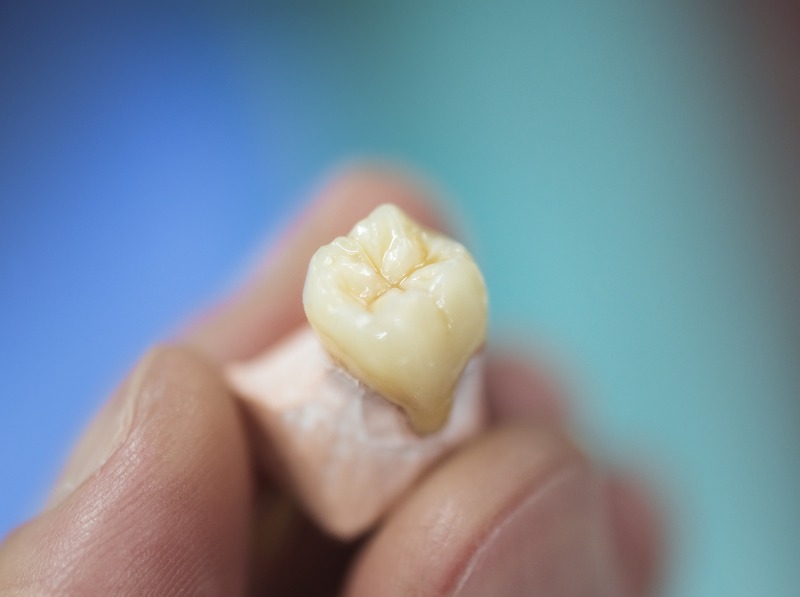
A dental crown is a full-coverage restoration that goes over the entire tooth.

Crowns are usually recommended when:

  • A tooth is badly damaged or cracked
  • There is large decay
  • A tooth has had a root canal
  • The tooth is very weak or worn down
  • There is significant structural damage

Crowns help:

  • Strengthen weak teeth
  • Restore chewing function
  • Improve appearance
  • Protect teeth from breaking

At Lansdowne Dental Centre in Richmond, crowns are custom-designed to match the natural color and shape of your teeth.


What Are Veneers?

Veneers are thin shells placed on the front surface of teeth to improve their appearance.

They are commonly used for cosmetic concerns such as:

  • Chipped teeth
  • Discolored teeth
  • Uneven or misshaped teeth
  • Small gaps between teeth
  • Minor alignment issues

Veneers focus mainly on appearance, not strength — making them ideal for improving the look of otherwise healthy teeth.


Crown vs Veneers: Key Differences

Understanding the difference between crowns and veneers comes down to strength vs appearance.

Dental Crown:

  • Covers the entire tooth
  • Used for strength and protection
  • Ideal for damaged or weak teeth
  • Often recommended after root canal treatment

Veneers:

  • Covers only the front surface
  • Used mainly for cosmetic improvements
  • Best for healthy teeth
  • Ideal for improving smile appearance

Choosing between the two depends on the condition of your tooth and your treatment goals.


How Do You Know If You Need a Crown or Veneer?

The best option depends on:

  • The amount of damage to your tooth
  • Whether the concern is cosmetic or structural
  • Your long-term dental health
  • Your smile goals

During your consultation, Dr. Tang evaluates the health of your teeth and recommends the treatment that will provide the best long-term result.


Why Patients in Richmond Choose Lansdowne Dental Centre

Patients searching for a cosmetic dentist in Richmond BC often choose Lansdowne Dental Centre because of:

  • Personalized treatment planning
  • Modern digital dental technology
  • Natural-looking cosmetic results
  • Focus on long-term oral health
  • Experienced dental team led by Dr. Tang

Whether you need a crown, veneers, or a full smile makeover, the team ensures every treatment is customized to your needs.


Looking for a Cosmetic Dentist in Richmond BC?

If you're unsure whether you need veneers or a crown, a consultation can help determine the best option for your smile.

Dr. Tang at Lansdowne Dental Centre in Richmond, BC provides comprehensive cosmetic dentistry solutions designed to restore both function and confidence.


Book a Consultation with Dr. Tang

Lansdowne Dental Centre

📍 Richmond, British Columbia

👩‍⚕️ Dentist: Dr. Tang

🦷 Services: Crowns, Veneers, Cosmetic Dentistry, Smile Restoration

Contact Lansdowne Dental Centre today to learn whether crowns or veneers are right for you.

How to Replace a Missing Tooth in Richmond, BC
Dr. Wise Tang
Dr. Wise Tang
2026/04/07
6mins read

How to Replace a Missing Tooth in Richmond, BC

Options Explained by Dr. Tang at Lansdowne Dental Centre

🎥 Watch: How to Replace a Missing Tooth — Explained by Dr. Tang in Richmond, BC


Missing a Tooth in Richmond, BC? Here's What You Need to Know

Missing a tooth can affect more than just your smile. It can impact your confidence, chewing ability, and long-term oral health. Many patients in Richmond, BC ask:

“What is the best way to replace a missing tooth?”

At Lansdowne Dental Centre in Richmond, Dr. Tang helps patients understand their options and choose the most appropriate solution based on their health, goals, and lifestyle.

This guide explains the most common tooth replacement options available today.


Why Replacing a Missing Tooth Matters

Some people delay treatment after losing a tooth, especially if the missing tooth is not visible. However, leaving a gap can lead to several problems over time.

Common Problems Caused by Missing Teeth:

  • Shifting of nearby teeth
  • Bite changes
  • Difficulty chewing
  • Bone loss in the jaw
  • Increased risk of gum disease
  • Changes in facial appearance

Patients searching for the best dentist in Richmond, BC often want to understand not only how to replace a tooth, but also how to prevent future complications.


Option 1 — Dental Implants

The Most Natural Tooth Replacement Option

Dental implants are considered one of the most advanced and long-lasting ways to replace missing teeth.

A dental implant is a small titanium post placed into the jawbone, acting as an artificial tooth root. Once healed, a crown is attached to restore function and appearance.

Benefits of Dental Implants:

  • Looks and feels like a natural tooth
  • Does not rely on neighboring teeth
  • Helps prevent bone loss
  • Long-lasting solution
  • Strong chewing function

Dental implants are often recommended for patients looking for a permanent solution to tooth loss.

At Lansdowne Dental Centre in Richmond, Dr. Tang evaluates bone support, gum health, and bite alignment before recommending implants.


Option 2 — Traditional Dental Bridge

A Reliable Solution for Replacing Missing Teeth

A traditional dental bridge replaces a missing tooth by using the teeth on either side for support.

These supporting teeth are reshaped, and a custom bridge is placed over them.

Benefits of a Traditional Bridge:

  • Fixed and stable
  • Natural-looking results
  • Faster than implants in many cases
  • Effective when neighboring teeth already need crowns

Many patients choose this option when implants are not suitable or when adjacent teeth require restoration.


Option 3 — Maryland Bridge

A Conservative Option for Front Teeth

A Maryland bridge is a more conservative type of dental bridge that requires minimal preparation of neighboring teeth.

Instead of full crowns, the bridge uses small wings bonded to the back of adjacent teeth.

When a Maryland Bridge May Be Recommended:

  • Missing a single front tooth
  • Healthy neighboring teeth
  • Preference for minimal drilling
  • Desire to avoid surgery

This option is commonly used for front tooth replacement, where appearance is especially important.

Dr. Tang at Lansdowne Dental Centre often considers Maryland bridges for patients seeking a less invasive tooth replacement option.


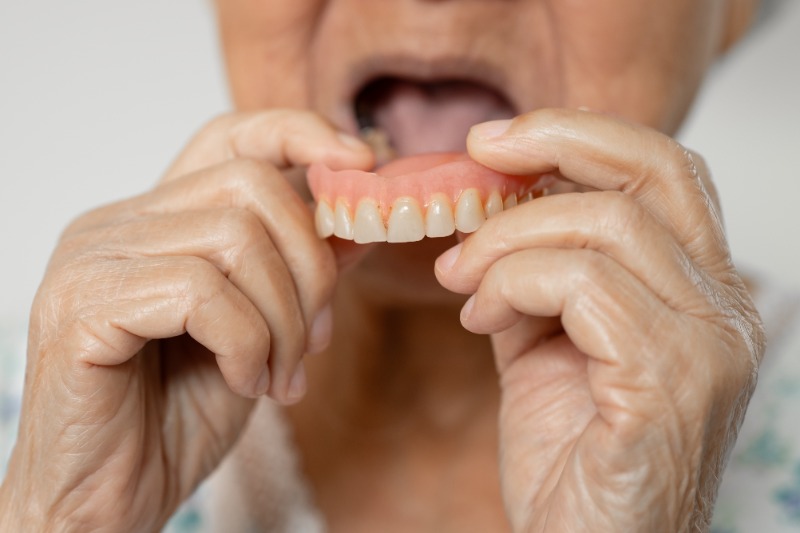
Option 4 — Partial Dentures

A Removable Option for Multiple Missing Teeth

Partial dentures are removable appliances used to replace several missing teeth.

They may be recommended when multiple teeth are missing and other options are not suitable.

Benefits of Partial Dentures:

  • More affordable than fixed options
  • Suitable for multiple missing teeth
  • Custom-designed for comfort
  • Non-surgical solution

While removable, modern partial dentures can be designed to look natural and function effectively.


Dental Implant vs Bridge — Which Is Better?

One of the most common questions patients ask is:

“Should I get an implant or a bridge?”

The answer depends on several factors.

Dental Implants May Be Better If:

  • You want a long-term solution
  • Your jawbone is strong
  • You prefer a replacement that does not affect nearby teeth
  • You want the most natural feel

Bridges May Be Better If:

  • You prefer a faster treatment
  • You want a non-surgical option
  • Neighboring teeth already need crowns
  • Implants are not recommended

During a consultation, Dr. Tang explains both options in detail and helps patients make an informed decision.


How to Choose the Right Tooth Replacement Option

Choosing the right treatment depends on several important factors.

Factors That Influence Treatment Choice:

  • Location of the missing tooth
  • Number of missing teeth
  • Bone and gum health
  • Bite alignment
  • Budget and timeline
  • Long-term oral health goals

Every patient is unique, which is why personalized treatment planning is essential.

At Lansdowne Dental Centre in Richmond, treatment recommendations are based on preserving natural teeth whenever possible.


What Happens If You Don't Replace a Missing Tooth?

Delaying treatment can cause long-term oral health complications.

Over time, the surrounding teeth begin to shift, leading to bite problems and uneven wear. Bone loss may also occur in the area where the tooth was lost.

These changes can make future treatment more complicated and costly.

Early evaluation by a dentist helps prevent these issues.


Why Patients Choose Dr. Tang in Richmond, BC

Patients searching online for the best dentist in Richmond, BC often look for experience, technology, and personalized care.

Dr. Tang at Lansdowne Dental Centre focuses on:

  • Conservative dentistry
  • Long-term oral health
  • Natural-looking results
  • Modern dental techniques
  • Patient-centered treatment planning

By understanding each patient's needs, Dr. Tang helps create treatment plans that restore both function and confidence.


Missing a Tooth in Richmond, BC?

Book a Consultation at Lansdowne Dental Centre

If you have a missing tooth, exploring your replacement options early can help prevent future complications.

Dr. Tang at Lansdowne Dental Centre in Richmond, BC offers personalized consultations to help patients understand their options and make confident decisions about their oral health.

Whether you're considering dental implants, bridges, or other solutions, a professional evaluation is the best first step.

How Dentists Restore Cavities While Preserving Natural Tooth Shape — Dr. Tang, Richmond Dentist
Dr. Wise Tang
Dr. Wise Tang
2026/03/30
5mins read

How Dentists Restore Cavities While Preserving Natural Tooth Shape — Dr. Tang, Richmond Dentist

If you've been told you have a cavity, you may wonder how dentists repair teeth while keeping them strong and natural-looking.

Modern dentistry focuses not only on removing decay, but also on preserving the natural shape of your tooth whenever possible.

Dr. Tang, a dentist at Lansdowne Dental Centre in Richmond, British Columbia, uses modern techniques designed to restore teeth in a way that looks natural, feels comfortable, and supports long-term oral health.

Understanding how cavity treatment works can help reduce anxiety and encourage early treatment — when problems are easier to fix.


Watch: How Modern Dentistry Restores Cavities


What Happens When You Have a Cavity?

A cavity forms when bacteria produce acids that slowly damage the outer surface of the tooth.

Without treatment, cavities can grow deeper and lead to:

  • Tooth pain
  • Infection
  • Tooth fractures
  • Root canal treatment
  • Tooth loss

Early treatment allows dentists to repair the tooth before major damage occurs.


Modern Cavity Treatment Focuses on Preserving Natural Tooth Structure

Today, dentists use techniques that allow them to:

  • Remove only damaged areas
  • Protect healthy tooth structure
  • Restore natural tooth shape
  • Maintain proper bite alignment

Preserving the natural contours of the tooth is important because teeth are not flat surfaces — they contain grooves and ridges that help guide chewing and protect surrounding teeth.

By carefully restoring these natural shapes, dentists help maintain both function and comfort.


How Cavities Are Treated: Step-by-Step

At Lansdowne Dental Centre in Richmond, Dr. Tang uses modern restorative methods to make cavity treatment precise and comfortable.

Here’s what typically happens during treatment:


Step 1: Numbing the Tooth

A local anesthetic is used to numb the area.

Most patients feel little to no discomfort during the procedure.


Step 2: Removing the Decay

The damaged portion of the tooth is carefully removed.

Only unhealthy tooth structure is taken out, preserving healthy areas whenever possible.


Step 3: Cleaning and Preparing the Tooth

The area is cleaned to remove bacteria.

Special bonding materials are used to prepare the tooth for filling placement.


Step 4: Restoring the Tooth Shape

A tooth-colored composite material is placed into the cavity.

Dentists carefully shape the material to recreate the natural grooves and contours of the tooth.

Modern techniques — including methods that replicate the original tooth surface — help produce highly accurate results.


Step 5: Hardening and Polishing

A special curing light hardens the material.

The tooth is polished and adjusted to ensure a comfortable bite.

The final result looks and functions like a natural tooth.


Why Restoring Tooth Shape Matters

Restoring the natural anatomy of the tooth is important for several reasons.

Proper tooth shape helps:

  • Improve chewing efficiency
  • Reduce bite discomfort
  • Prevent food trapping
  • Protect surrounding teeth
  • Extend the life of the filling

Modern restorative dentistry focuses on both function and aesthetics.


Does Getting a Filling Hurt?

One of the most common concerns patients have is discomfort during treatment.

With modern dentistry:

Most cavity fillings are comfortable and quick.

Patients typically experience:

  • Minimal discomfort
  • Mild pressure sensations
  • Fast recovery

Some sensitivity after treatment is normal but usually temporary.


Signs You May Have a Cavity

Not all cavities cause pain immediately.

Common warning signs include:

  • Sensitivity to cold or sweets
  • Pain when biting
  • Visible dark spots on teeth
  • Rough areas on the tooth
  • Food getting stuck in certain areas

Regular dental visits help detect cavities early — before symptoms worsen.


Why Early Treatment Is Important

Small cavities are easier and less invasive to treat.

Delaying treatment may lead to:

  • Larger fillings
  • Tooth fractures
  • Root canal treatment
  • Tooth loss

Routine exams allow dentists to detect problems early and preserve tooth structure.


Tooth-Colored Fillings: A Modern Solution

Most modern cavity treatments use tooth-colored composite materials, which offer several advantages.

These fillings:

  • Blend naturally with your teeth
  • Bond securely to tooth structure
  • Require less removal of healthy tooth
  • Provide durable restoration
  • Improve overall appearance

They are widely used in modern restorative dentistry.


Why Patients in Richmond Choose Dr. Tang

Patients trust Dr. Tang at Lansdowne Dental Centre in Richmond for restorative dental care because of:

  • Modern dental technology
  • Gentle treatment approach
  • Focus on preserving natural teeth
  • Clear patient education
  • Convenient Richmond location

Modern dentistry is designed to protect your natural smile whenever possible.


When Should You See a Dentist?

You should schedule a dental visit if:

  • You feel tooth sensitivity
  • You notice visible holes or stains
  • You experience pain while chewing
  • It's been more than 6 months since your last exam

Early diagnosis allows for simpler, more conservative treatment.


Book a Consultation with Dr. Tang in Richmond, BC

If you suspect you may have a cavity or are experiencing tooth sensitivity, early care can protect your smile and prevent future complications.

Dr. Tang at Lansdowne Dental Centre in Richmond, British Columbia, provides modern cavity treatment designed for comfort, function, and long-term results.

📍 Lansdowne Dental Centre

Richmond, British Columbia

📞 Contact the clinic today to schedule your dental exam.

Expert Impacted Wisdom Tooth Treatment at Lansdowne Dental Centre
Dr. Wise Tang
Dr. Wise Tang
2026/03/30
4mins read

Expert Impacted Wisdom Tooth Treatment at Lansdowne Dental Centre

Expert Impacted Wisdom Tooth Treatment at Lansdowne Dental Centre

Wisdom tooth pain can start suddenly—and when a tooth is impacted, it often requires professional removal to prevent infection, swelling, and long-term dental complications.

At Lansdowne Dental Centre in Richmond, British Columbia, Dr. Tang provides safe, modern wisdom tooth removal procedures designed to keep patients comfortable while protecting their long-term oral health.

If you’ve been told you have an impacted wisdom tooth—or you're experiencing jaw pain or swelling—understanding the process can help you feel more confident about treatment.


🎥 Watch: How Impacted Wisdom Tooth Removal


What Is an Impacted Wisdom Tooth?

An impacted wisdom tooth occurs when there isn’t enough space in the jaw for the tooth to fully emerge. Instead of growing normally, the tooth may:

  • Grow sideways
  • Stay trapped under the gum
  • Press against nearby teeth
  • Cause swelling or infection

Impacted wisdom teeth are very common, especially in late teens and early adulthood.

At Lansdowne Dental Centre in Richmond, Dr. Tang uses advanced imaging and careful planning to determine the safest way to remove impacted wisdom teeth.


Step-by-Step: How Impacted Wisdom Teeth Are Removed

Many patients feel nervous about wisdom tooth removal, but the procedure is very controlled and predictable when performed by an experienced dentist.

Here’s what typically happens:

1. The Area Is Carefully Numbed

Local anesthesia is used to fully numb the area around the wisdom tooth. This ensures that the procedure is comfortable and pain-free.

2. A Small Incision Is Made

If the tooth is trapped under the gum, a small incision is made to access the tooth safely.

3. The Tooth May Be Divided Into Smaller Pieces

For impacted teeth, the dentist may gently divide the tooth into sections. This allows for easier removal while minimizing pressure on surrounding bone.

4. The Tooth Is Removed

Once loosened, the tooth is carefully removed.

5. The Area Is Cleaned and Protected

The site is cleaned, and stitches may be placed if necessary to support healing.

This modern approach helps reduce trauma to the surrounding tissue and speeds up recovery.


Signs You May Need Wisdom Tooth Removal

You may need wisdom tooth removal if you experience:

  • Jaw pain in the back of the mouth
  • Swelling near wisdom teeth
  • Difficulty opening your mouth
  • Food getting trapped behind molars
  • Gum infection or bad taste
  • Pressure on nearby teeth

Even if symptoms are mild, impacted wisdom teeth can still cause long-term problems if left untreated.

That’s why early evaluation is important.


Why Choose Dr. Tang for Wisdom Tooth Removal in Richmond?

Patients in Richmond choose Dr. Tang at Lansdowne Dental Centre because of her focus on precision, comfort, and patient education.

Key advantages include:

  • Experienced dental team
  • Modern imaging and surgical planning
  • Gentle, patient-focused care
  • Clear explanation of procedures
  • Convenient Richmond location
  • Comprehensive dental services under one roof

Her approach focuses not just on removing the tooth—but protecting overall oral health.


Recovery After Wisdom Tooth Removal

Recovery from impacted wisdom tooth removal is usually straightforward.

Most patients experience:

  • Mild swelling for a few days
  • Minor discomfort that improves daily
  • Healing within 1–2 weeks

Dr. Tang provides personalized aftercare instructions to ensure proper healing and reduce the risk of complications.


Wisdom Tooth Removal in Richmond, BC

If you live in Richmond, British Columbia, and suspect you have impacted wisdom teeth, early treatment can prevent more serious dental issues later.

At Lansdowne Dental Centre, Dr. Tang helps patients safely remove problematic wisdom teeth using modern, efficient techniques.


Book a Consultation With Dr. Tang in Richmond

If you're experiencing wisdom tooth pain—or have been told you need removal—professional evaluation is the best next step.

📍 Dr. Tang

Lansdowne Dental Centre

Richmond, British Columbia

✅ Wisdom tooth consultations

✅ Impacted tooth removal

✅ Comprehensive dental care

✅ Personalized treatment planning


Contact Lansdowne Dental Centre today to schedule your consultation and get expert guidance on wisdom tooth removal.

Root Canal Treatment in Richmond, BC — Dr. Tang at Lansdowne Dental Centre, Richmond, British Columbia
Dr. Wise Tang
Dr. Wise Tang
2026/03/30
5mins read

Root Canal Treatment in Richmond, BC — Dr. Tang at Lansdowne Dental Centre, Richmond, British Columbia

If you're experiencing severe tooth pain, lingering sensitivity, or swelling around a tooth, you may have an infected tooth that requires root canal treatment.

Modern root canal therapy is designed to relieve pain, eliminate infection, and save your natural tooth—often in just one or two visits.

At Lansdowne Dental Centre in Richmond, British Columbia, Dr. Tang provides root canal treatment using modern techniques focused on comfort, precision, and long-term oral health.


Watch: Root Canal Treatment Explained by Dr. Tang, Richmond Dentist


What Is a Root Canal Treatment?

A root canal treatment removes infection from inside a tooth.

Inside each tooth is soft tissue called the pulp, which contains nerves and blood vessels. When bacteria enter this area—usually from deep cavities, cracks, or trauma—the pulp becomes infected.

During root canal treatment, Dr. Tang at Lansdowne Dental Centre in Richmond:

  • Removes infected tissue
  • Cleans and disinfects the root canals
  • Seals the canals to prevent reinfection
  • Restores the tooth with a filling or crown

This treatment allows you to keep your natural tooth instead of removing it, helping maintain long-term oral health.


Signs You May Need a Root Canal in Richmond, BC

You may need a root canal if you experience:

  • Severe tooth pain when chewing
  • Lingering sensitivity to hot or cold
  • Swelling in the gums
  • A darkened or discolored tooth
  • A small bump on the gums
  • Tooth pain that doesn’t go away

If you're experiencing these symptoms, seeing Dr. Tang at Lansdowne Dental Centre in Richmond early can prevent the infection from worsening.


Does a Root Canal Hurt?

One of the biggest myths about root canals is that they are painful.

In reality, root canal treatment removes the source of pain.

With modern techniques and local anesthesia, most patients report that root canal treatment feels similar to getting a filling. After treatment, many patients feel relief because the infection causing the pain has been removed.

Modern dentistry has made root canal treatment more comfortable and predictable than ever before.


What Happens During a Root Canal?

At Lansdowne Dental Centre in Richmond, BC, root canal treatment is performed carefully and comfortably.

Typical steps include:

  1. Examination and digital X-rays
  2. Numbing the area with local anesthesia
  3. Cleaning the infected canals
  4. Disinfecting the tooth
  5. Filling and sealing the canals
  6. Restoring the tooth with a filling or crown

Most treatments are completed in one to two visits, depending on the condition of the tooth.


Why Saving Your Natural Tooth Matters

Saving your natural tooth offers important long-term benefits.

Root canal treatment helps:

  • Maintain natural chewing ability
  • Prevent nearby teeth from shifting
  • Preserve jawbone structure
  • Avoid more complex treatments later
  • Keep your natural smile

Dr. Tang focuses on preserving natural teeth whenever possible, helping patients maintain healthy smiles for years to come.


What Happens If You Delay Root Canal Treatment?

Delaying treatment can allow infection to spread and become more serious.

Untreated infection may:

  • Cause swelling or abscess formation
  • Spread to surrounding bone
  • Lead to tooth loss
  • Require more complex procedures
  • Increase discomfort and complications

Early treatment is always the safest and most effective way to protect your oral health.


Root Canal Treatment in Richmond with Dr. Tang

If you're searching for a dentist in Richmond, BC for root canal treatment, Dr. Tang at Lansdowne Dental Centre provides patient-focused care using modern dental techniques.

Patients choose Dr. Tang because of:

  • Gentle and precise treatment
  • Modern dental technology
  • Focus on patient comfort
  • Commitment to saving natural teeth
  • Convenient Richmond location

Her goal is to relieve pain, restore function, and protect your smile.


Frequently Asked Questions About Root Canals

Is a root canal painful?

No. Modern root canal treatment is typically comfortable and similar to getting a filling.

How long does a root canal take?

Most treatments take 60–90 minutes and may require one or two visits.

How long does a treated tooth last?

With proper care and restoration, a root canal-treated tooth can last many years.

What should I do if I have tooth pain?

If tooth pain persists, seeing a dentist early can prevent complications and help save your tooth.

Looking for Root Canal Treatment in Richmond, BC?

If you're experiencing tooth pain, sensitivity, or swelling, early treatment can help save your tooth and prevent complications.

Dr. Tang provides root canal treatment at Lansdowne Dental Centre in Richmond, British Columbia, helping patients restore comfort and protect their natural teeth.

📍 Clinic: Lansdowne Dental Centre

📍 Location: Richmond, British Columbia

If you're searching for a dentist in Richmond, BC, scheduling an evaluation early can make treatment simpler and more predictable.

Prioritizing Men’s Health this November and Beyond
Connect Health
Connect Health
2023/11/07
3mins read

Prioritizing Men’s Health this November and Beyond

November is not just about autumn leaves and Thanksgiving; it’s also an opportune time to focus on men’s health. During this month, often referred to as “Movember,” we highlight the unique health challenges that men face and raise awareness about them. In this blog, we’ll discuss the importance of prioritizing men’s health this November and throughout the year.

The State of Men’s Health:

Men’s health issues are diverse and multifaceted. While they can vary by age, lifestyle, and genetics, there are some common concerns:

  1. Prostate Health: Prostate cancer is the second most common cancer among men worldwide. Regular screenings and early detection can significantly improve the prognosis.
  2. Testicular Health: Testicular cancer is most common in young men. Self-examinations can help detect abnormalities early.
  3. Mental Health: Men are less likely to seek help for mental health issues, leading to higher suicide rates. Reducing stigma and promoting open conversations is crucial.
  4. Heart Health: Cardiovascular disease is a leading cause of death for men. A healthy lifestyle can help prevent heart problems.
  5. Substance Abuse: Men are more likely to engage in risky behaviors, including substance abuse. Education and support are essential.

Prioritizing Men’s Health:

Here are some ways to prioritize men’s health this November and beyond:

  1. Self-Care: Encourage men to take care of their physical and mental well-being. Regular exercise, a balanced diet, adequate sleep, and stress management are crucial.
  2. Regular Check-ups: Regular medical check-ups can help detect health issues early, leading to better outcomes. Discuss the importance of check-ups with the men in your life.
  3. Mental Health Awareness: Open conversations about mental health are essential. Promote awareness of available resources and encourage seeking help when needed.
  4. Healthy Lifestyle: Emphasize the significance of a healthy lifestyle, including exercise, diet, and avoiding tobacco and excessive alcohol consumption.
  5. Support and Encouragement: Offer support to the men in your life. Encourage them to prioritize their health and provide assistance when needed.

This November, let’s prioritize men’s health and encourage the men in our lives to do the same. Whether it’s through participation in Movember, regular check-ups, or open conversations about health, we can make a positive impact on men’s well-being. Together, we can work towards a future where men are more proactive about their health, reducing the prevalence of preventable diseases and mental health challenges. It’s not just a month; it’s a commitment to a healthier future for all men.

Counselors Practicing Mind-Body Medicine: A Journey into Self-Discovery through Hakomi and HeartMath
Connect Health
Connect Health
2023/09/21
4mins read

Counselors Practicing Mind-Body Medicine: A Journey into Self-Discovery through Hakomi and HeartMath

In an era where holistic well-being is gaining increasing attention, the practice of mind-body medicine has emerged as a powerful tool for self-discovery and personal growth. Many counselors are now incorporating science-based approaches with ancient practices to help individuals unlock their true potential. Among these techniques, Hakomi and HeartMath stand out as profound methods that integrate modern neuroscience, nervous system regulation, and personal experiences, offering a comprehensive path to self-discovery and healing.

Hakomi: Exploring the Mind-Body Connection

Hakomi, a somatic psychotherapy method developed by Ron Kurtz in the 1970s, is grounded in the idea that our bodies are windows into our psyches. It combines mindfulness, body awareness, and the principles of non-violence to foster self-awareness and emotional healing. Counselors who practice Hakomi encourage clients to explore their thoughts, feelings, and bodily sensations, with the belief that our bodies store memories and emotions.

Applying Neuroplasticity: Rewiring the Brain

One of the cornerstones of Hakomi is neuroplasticity, the brain’s ability to rewire itself. Counselors practicing Hakomi harness this capacity by helping clients identify and transform limiting beliefs, emotional patterns, and traumas. By creating new neural pathways through mindfulness and self-compassion, individuals can rewrite their inner narratives and experience profound personal growth.

Nervous System Regulation: Finding Balance

The autonomic nervous system plays a crucial role in our physiological and emotional responses to stress. In Hakomi, counselors work with clients to regulate their nervous systems, fostering a sense of safety and stability. Through techniques such as grounding exercises and breathwork, individuals learn to soothe their sympathetic (fight-or-flight) responses and activate their parasympathetic (rest-and-digest) systems, leading to greater emotional resilience.

Drawing from Personal Experience: Empathy and Connection

Counselors who practice Hakomi often draw from their own experiences, creating a deeper empathetic connection with their clients. This shared vulnerability can enhance the therapeutic relationship, providing a safe space for clients to explore their own inner worlds. The counselor’s presence and authenticity become powerful tools in the healing process, demonstrating that personal growth is a journey that can be walked together.

HeartMath: Cultivating Emotional Intelligence

HeartMath is another science-based approach that has found its place in the realm of mind-body medicine. Rooted in the idea that the heart is an intelligent organ, HeartMath techniques focus on regulating the heart’s rhythm to promote emotional coherence, resilience, and self-awareness. Counselors practicing HeartMath help individuals access their heart’s wisdom to navigate life’s challenges more effectively.

Utilizing Heart Rate Variability: A Window to Emotions

Heart rate variability (HRV) is a key metric in HeartMath. It measures the variation in time between successive heartbeats, reflecting the body’s ability to adapt to stressors. By training clients to increase their HRV, counselors can teach individuals to respond to life’s ups and downs with greater emotional intelligence. This empowers clients to access a state of inner calm and balance, even in the face of adversity.

Integrating Ancient Practices with Modern Science

Counselors who practice mind-body medicine with techniques like Hakomi and HeartMath bridge the gap between ancient wisdom and contemporary science. They blend mindfulness and self-compassion practices from Eastern traditions with the latest findings in neuroplasticity and nervous system regulation. This integrative approach offers individuals a holistic toolkit for self-discovery and healing.

The practice of mind-body medicine is evolving, incorporating ancient wisdom and cutting-edge science to facilitate profound self-discovery and healing. Counselors who integrate techniques like Hakomi and HeartMath provide individuals with the tools to explore their inner worlds, rewire their brains, regulate their nervous systems, and cultivate emotional intelligence. Through a blend of science-based approaches and personal experiences, these counselors offer a transformative journey towards greater self-awareness and well-being. In the ever-evolving field of mental health, mind-body medicine shines as a beacon of hope and healing.

At Connect Health, we have counsellors practicing mind body medicine. Contact us to learn more: [email protected]

Navigating Aging: Your Personal Guide to a Vibrant Journey Through Science
Connect Health
Connect Health
2023/09/06
3mins read

Navigating Aging: Your Personal Guide to a Vibrant Journey Through Science

In the realm of aging, we're no longer passive spectators to the ticking clock. Science has given us the power to steer the wheel, enhancing our odds of living not just longer, but healthier lives. This newfound agency is rooted in personalized health strategies that rely on early detection and individualized insights from advanced testing methods. Let's dive into how real-world tools like imaging and biomarkers are shaping the way we age.

Aging isn't just about growing older; it's about discovering how our bodies change and how we can adapt. Personalized health strategies reflect this new narrative, treating us as unique individuals with distinct stories written in our genes, habits, and surroundings. These strategies offer us a chance to harness science in our favor, ensuring we continue to thrive as the years go by.

Seeing Inside: The Magic of Imaging

Think of medical imaging as a window into your body's hidden stories. It's like flipping through a photo album of your organs and tissues. Techniques like MRI allow doctors to see how your body is functioning beneath the surface. This means potential health issues can be spotted before they escalate, leading to earlier interventions. For instance, brain imaging might catch early signs of memory decline, prompting tailored strategies to keep your mind sharp.

Tracing Clues: The Mystery of Biomarkers

Biomarkers are like secret messages your body leaves behind, hinting at what's happening within. These could be specific molecules in your blood or even changes in your genes' activity. Scientists use them to unlock insights into your health, predicting risks long before they become obvious. Imagine a higher-than-usual protein level in your blood—a red flag for heart issues. This can guide you towards personalized steps to safeguard your heart health.

The Synergy of Data: A Fuller Picture

In the age of big data, your health story isn't just in one place—it's in the integration of multiple sources. Combining imaging and biomarker data reveals patterns that provide richer insights. For instance, merging genetic information with brain images might reveal how certain genes impact memory health. This data-driven approach helps us connect the dots, translating science into actionable steps.

Aging isn't a one-size-fits-all experience; it's a personalized journey. Thanks to the marriage of imaging, biomarkers, and science-backed strategies, you're no longer just aging—you're thriving. As the science unfolds, so do the opportunities to shape a future where aging is less about counting years and more about celebrating every moment.

With our Strategic Health program at Connect Healthcare, we promise a personalized, predictive and preventative program that combines the latest testing technology and an integrative and functional medicine approach to help you maximize your wellness potential.

Due to the comprehensive nature of this program, we can only work with a limited number of dedicated individuals.

You can request an inquiry call to find out which program is suitable for you.

[email protected]

Navigating the Nutrition Maze: Finding Your Way with the Help of Nutrition Experts
3mins read

Navigating the Nutrition Maze: Finding Your Way with the Help of Nutrition Experts


In the hustle and bustle of life, one thing often takes a backseat: our relationship with food. But guess what? That relationship matters—a lot! What we eat isn't just about fueling our bodies; it's about feeling great, inside and out. And to help us figure out this nutritional puzzle, there's a squad of nutrition experts ready to guide us through the twists and turns.


The Magic of Nutritional Wellness


Okay, let's talk real talk. Nutritional wellness isn't about counting every calorie or turning our diets upside down. It's about treating our bodies like the precious temples they are. What we munch on can affect our energy levels, our mood, our immune system—the whole shebang. That's where the nutrition heroes come in, offering all sorts of tips and tricks to get us on the right track.


Meet the Nutrition Superheroes


Picture this: a lineup of nutritional champions, each with their unique style of helping us eat better and feel amazing. Check out these experts:


1. Registered Dietitians (RDs): The Nutrition Ninjas

RDs are like the ultimate nutrition sidekicks. They're the ones with official badges, knowing all the science-backed nutrition stuff. They create personalized meal plans, tackle health issues through diet, and help us navigate the world of food labels and macros.


2. Nutritionists: The Food Whisperers

Think of nutritionists as our friendly food guides. They're like the insiders who know the secrets to a balanced diet. They'll chat with us about general healthy eating and might specialize in areas like weight management or sports nutrition.


3. Holistic Nutritionists: The Mind-Body Gurus

Holistic nutritionists have a secret weapon: they see food as part of a bigger picture. It's not just about eating right; it's about living right. They consider everything from emotions to energy levels to create a holistic plan that's as unique as we are.


4. Nutritional Therapists: The Healing Foodies

Imagine food as medicine. That's the power of nutritional therapists. They're like the potion masters, using food to help with specific health issues. They'll whip up plans that target imbalances and deficiencies, all while keeping our taste buds happy.


5. Health Coaches: The Lifestyle Champions

Health coaches are like the buddies who cheer us on. They're not just about food; they're about changing our lives for the better. They'll help us set goals, make better choices, and celebrate every little victory on our journey to wellness.


6. Integrative Nutritionists: The Balanced Wizards

Integrative nutritionists are the harmony creators. They mix science and soul, blending the best of both worlds. They're like the compass that guides us between conventional and holistic approaches, making sure we're getting the full package.


Your Quest for Nutritional Awesomeness


Now, here's the deal. Picking the right nutrition expert is like choosing a travel buddy. It's about finding the one who vibes with your goals and values. Whether you're aiming to conquer a health issue, boost your energy, or just eat better, these superstars have your back.


And hey, there's no one-size-fits-all when it comes to food. It's about finding what works for you, not following the latest trend. So, if you're ready to embark on a journey to better nutrition and a happier you, consider teaming up with one of these fantastic nutrition guides. They're here to help you decode the nutrition puzzle and create a path that's as unique as you are.

Nurturing Radiant Skin: Holistic Approaches to Skin Health
4mins read

Nurturing Radiant Skin: Holistic Approaches to Skin Health

Our skin, the body's largest organ, is a reflection of our overall well-being. Beyond being a protective barrier, our skin tells a story of our habits, lifestyle, and inner health. While conventional skincare often focuses on external treatments, holistic approaches to skin health delve deeper, recognizing the intricate connections between mind, body, and spirit. Let's explore how holistic practices can nourish and nurture your skin from the inside out.


The Holistic View of Skin Health


Holistic skincare is rooted in the belief that the health of our skin is influenced by various factors, including diet, emotions, stress levels, and environmental exposure. Instead of merely treating surface concerns, holistic approaches aim to address the root causes that impact skin health. This integrative mindset acknowledges that radiant skin is a reflection of a balanced internal ecosystem.


1. **Nutrition for Glowing Skin:

Holistic nutrition emphasizes the role of diet in promoting healthy skin. Nourishing your body with nutrient-rich foods supports skin regeneration, collagen production, and overall vitality. Antioxidant-rich fruits and vegetables, omega-3 fatty acids from sources like fish and flaxseeds, and hydration play pivotal roles in maintaining skin health.


2. Mind-Body Harmony:

Stress and emotions can manifest on our skin. Practices like mindfulness, meditation, and deep breathing not only reduce stress but also enhance blood circulation, contributing to a healthy complexion. When we care for our mental well-being, our skin often benefits as well.


3. Herbal Allies:

Herbal remedies have been used for centuries to enhance skin health. Calendula, chamomile, aloe vera, and lavender are examples of herbs with skin-soothing properties. Herbalists can create custom blends that address specific skin concerns and promote healing.


4. Balancing Gut Health:

The gut-skin connection is gaining attention. A balanced gut microbiome contributes to healthy skin. Consuming probiotics and incorporating gut-friendly foods like yogurt, sauerkraut, and kefir can support both digestive and skin health.


5. Holistic Skincare Rituals:

Holistic skincare extends beyond products; it's about nurturing your skin with mindful rituals. Gently massaging your face, using natural ingredients like honey and oatmeal for masks, and staying hydrated all contribute to a holistic approach to skincare.


6. Detoxification:

Toxins in our environment can impact our skin's radiance. Drinking plenty of water, consuming antioxidant-rich foods, and practicing activities that induce sweating, like saunas or exercise, support the body's detoxification processes.


7. Adequate Sleep:

Quality sleep is a cornerstone of holistic skin health. During sleep, our body repairs and regenerates, including our skin cells. Prioritizing good sleep hygiene can lead to a healthier complexion.


8. Hydration and External Care:

Using natural, non-toxic skincare products that are in harmony with your skin's needs is crucial. Hydration, both inside and out, helps maintain skin's elasticity and suppleness.


9. Holistic Professionals:

Holistic skincare practitioners, such as estheticians with a holistic approach, can offer personalized advice, treatments, and guidance that align with your skin's unique needs and your overall well-being.


Embrace Your Skin's Journey to Wellness


Holistic skincare is a journey of self-care, self-awareness, and self-love. It acknowledges that beauty goes beyond aesthetics—it's about radiating health and vitality from within. By adopting holistic practices and nurturing your skin through mindful choices, you're not just caring for your skin; you're nourishing your entire being. So, as you embark on this journey, remember that your skin deserves the same level of compassion and care that you offer to every aspect of your life.

Nurturing Immunity and Energy: Your Supportive Team of Practitioners
3mins read

Nurturing Immunity and Energy: Your Supportive Team of Practitioners

Ever felt like your body is a well-orchestrated performance, with your immune system and energy levels taking center stage? Well, they are the dynamic duo that keeps you feeling your best. And guess what? There's a whole team of practitioners out there, each playing a unique role in ensuring this vital dance stays in tune.


1. Nutrition Experts:

Think of them as your food coaches. These professionals help you create a menu that's like a symphony of nutrients. They know the right foods to boost your immune system and keep your energy humming, making every bite a step towards well-being.


2. Fitness Coaches:

Meet your personal trainers. They design workouts that don't just sculpt your physique; they also boost your immunity and fuel your energy levels. They guide you through exercises that keep your body's dance in harmony.


3. Sleep Specialists:

These are the dream weavers. They ensure your sleep is restful, helping your immune system repair and your energy reserves replenish. They're like your sleep architects, crafting a cozy retreat for your body's performers.


4. Stress Managers:

Stress can throw off your immune-energy groove. These practitioners are like your stress therapists, offering techniques that help you stay calm, supporting both your immunity and energy reserves.


5. Holistic Healers:

Think of them as your wellness mentors. These practitioners see the bigger picture, focusing on your overall health. From herbal remedies that give your immune system a boost to mindfulness practices that amp up your energy, they're your all-around wellness guides.


Customizing Your Wellness Team


Just like assembling a sports team, you can curate your own wellness squad. Depending on your needs and preferences, you can bring in one or more of these practitioners to ensure your immune system and energy levels are performing at their peak.


Maybe you're looking for dietary advice from a nutrition expert to enhance your immunity. Or perhaps you need a fitness coach to create a workout routine that not only boosts your energy but also supports your immune function. Sleep specialists can help you craft a sleep routine that keeps your immune system strong and your energy high. Stress management practitioners are your go-to for keeping stress in check, supporting both your immunity and energy levels. And if you're all about holistic approaches, these practitioners offer a comprehensive approach that addresses every facet of your well-being.


Dancing Through Life with Vitality


Imagine your body as a stage where the immune system and energy levels perform an intricate dance. And just like any dance, it requires coordination, practice, and sometimes, a little guidance. That's where these practitioners come in. They're not just experts; they're your partners in wellness. So, as you navigate life's rhythms, remember that your immune system and energy levels are the lead dancers, and with the right team by your side, you can keep the dance of vitality going strong.

Holistic Approaches to Alleviating Musculoskeletal Discomfort: A Comprehensive Guide
5mins read

Holistic Approaches to Alleviating Musculoskeletal Discomfort: A Comprehensive Guide

Musculoskeletal discomfort, whether stemming from injuries, chronic conditions, or the wear and tear of daily life, can cast a shadow over our quality of life. The search for effective pain management strategies has led many individuals to explore holistic therapies, which approach healing from a comprehensive perspective that encompasses both the physical and emotional aspects of well-being. In this article, we'll delve into the world of holistic therapists who specialize in addressing musculoskeletal issues, offering insights into their practices and the benefits they bring to the table.
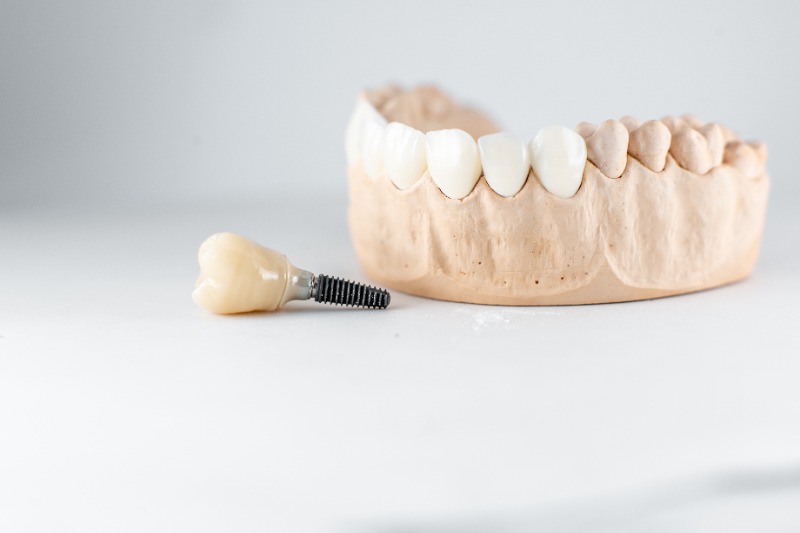

1. Massage Therapists: The Healing Power of Touch


  Massage therapists, with their skillful hands and deep understanding of the human body, offer more than just a relaxing experience. Through their manipulation of soft tissues, muscles, and joints, they release tension, increase blood flow, and provide relief from musculoskeletal discomfort. Whether it's the gentle strokes of Swedish massage or the focused pressure of deep tissue massage, their holistic approach nurtures both the body and the spirit.


2. Athletic Therapists: Guiding Recovery through Movement


  Athletic therapists are like navigators in the journey of musculoskeletal healing. By devising tailored exercise programs, employing manual therapies, and utilizing modalities such as ultrasound and electrical stimulation, they help individuals bounce back from injuries. These therapists, often working with athletes, blend hands-on care with rehabilitation strategies that focus on restoring function and enhancing overall well-being.


3. Osteopaths: Restoring Harmony Within


  Osteopaths are the architects of body balance. Through osteopathic manipulative techniques, they seek to realign the body's structure, promoting circulation, alleviating pain, and supporting the body's innate capacity for healing. Their holistic philosophy sees the body as an interconnected system, emphasizing the importance of harmony among its various components.


4. Acupuncturists: The Art of Energy Flow


  Acupuncturists specialize in the art of energy flow restoration. By delicately inserting fine needles into specific points on the body, they stimulate the body's energy pathways, known as meridians. This ancient practice can work wonders in alleviating musculoskeletal pain, improving circulation, and harnessing the body's own healing energies.


5. Chiropractors: Aligning Body and Mind


  Chiropractors, known for their spinal adjustments, do more than just straighten the spine. They understand that a well-aligned spine can lead to a well-aligned life. By working with the body's structure, they relieve pain, enhance nerve function, and contribute to overall health. Their holistic approach considers the interplay of physical well-being and mental clarity.


6. Physical Therapists: Empowering Movement and Recovery


  Physical therapists are like guides on the path to movement restoration. Crafting exercise regimens, employing manual techniques, and utilizing modalities, they aid in regaining mobility, mitigating pain, and preventing future injuries. Their holistic approach extends beyond just muscles and joints, touching on the psyche's role in the healing process.


7. Holistic Bodyworkers: Balancing Body and Spirit


  Holistic bodyworkers employ various techniques such as Rolfing, craniosacral therapy, and myofascial release. By working with the body's structure, they release deep-seated tensions, facilitating emotional release and promoting holistic well-being. Their touch speaks to both the physical and emotional dimensions of healing.


8. Yoga Therapists: Uniting Body, Breath, and Mind


  Yoga therapists integrate the wisdom of yoga into healing practices. Customizing postures, breathing exercises, and relaxation techniques, they offer tools for musculoskeletal well-being. Their holistic approach unites the body, breath, and mind, fostering flexibility, strength, and inner tranquility.


In the realm of musculoskeletal health, holistic therapists offer a tapestry of approaches that go beyond conventional methods. Their practices encompass the physical, emotional, and even spiritual aspects of healing. Through their skilled hands, nurturing guidance, and transformative techniques, they illuminate the path to alleviating musculoskeletal discomfort and embracing holistic well-being. As you explore these diverse therapies, remember that each practitioner brings a unique touch to the healing journey, and finding the right fit can make all the difference in your quest for lasting relief and vitality. On PromptHealth, there are different holistic practitioners who help with pain management and work with musculuskeletal issues.

Embracing the Adventure of Fitness: Discovering Your Tribe and Guides
4mins read

Embracing the Adventure of Fitness: Discovering Your Tribe and Guides

In a world where life keeps us on our toes, taking charge of our well-being has become a must-do, not just a wish-list item. Fitness is like a treasure hunt that's not only about getting fit but also about finding our inner strength, staying sane, and adding zest to life. With a bunch of fitness flavors and friendly guides around, now's your chance to step into a world of health and vibrancy.


Diverse Flavors of Fitness: Choose Your Pick


Just like our tastes vary, so do our fitness inclinations. There's a fitness flavor for everyone, from the ones who love to break a sweat to those who find solace in a peaceful stretch. Let's peek into some fitness styles that could light up your day:


1. Cardio: Get the Heart Pumping!

If you're all about that adrenaline rush, cardio workouts are your jam. Running, cycling, dancing your heart out, or kickboxing sessions are like hitting the refresh button for your body and mood.


2. Strength Training: Unleash Your Inner Powerhouse

Building muscles and feeling strong is your game here. Think weightlifting, push-ups, squats, and more. Not only do you get muscles to show off, but you also amp up your bone health and metabolism.


3. Zen Vibes with Mind-Body Workouts

Ever tried yoga or Pilates? These are like a mini-vacation for your mind and muscles. Stretch, breathe, and find your inner calm. It's like a workout and a soul-soothing session in one.


4. Real-Life Ready with Functional Fitness

Remember those days when you picked up groceries and your back didn't complain? Functional fitness gets you ready for life's moves. It's like training for real-world activities, making you an everyday superhero.


5. Holistic Harmony: Mind, Body, and Soul Unite

Fancy a fitness journey that connects the dots between your mind, body, and soul? Tai chi, Qigong, and mindful movement are like a symphony of well-being. They're not just workouts; they're your soul's happy place.


The Sidekicks: Fitness Experts Who've Got Your Back


Choosing a fitness style is like picking your adventure, but you don't have to do it alone. There are guides who know the terrain and are here to make your journey smoother:


1. Personal Trainers: Your Fitness BFFs

Think of them as your fitness confidantes. Personal trainers cook up workouts that are tailor-made for you. They're like your GPS on this journey, showing you the best paths to reach your goals.


2. Dance Along with Group Fitness Instructors

Ever danced like no one's watching? Group fitness instructors lead the dance. They're like the heartbeats of those lively classes where you and others are rocking those moves together.


3. Yoga and Pilates Teachers: Zen Artists

When yoga or Pilates is your jam, these guides are like zen artists. They help you bend, breathe, and relax the stress away. It's like having a mind whisperer and muscle guru rolled into one.


4. Coaches for Your Game

If you're all about a particular sport, coaches are like your secret weapon. Tennis, basketball, or martial arts – these guides help you up your game and unleash your inner champion.


5. Holistic Cheerleaders

Imagine a guide who's all about you – your body, your mind, your whole being. Holistic coaches are like cheerleaders for your well-being, making sure you're not just fit but also thriving.


Your Fitness Canvas: Craft Your Masterpiece


Fitness isn't a one-size-fits-all deal; it's more like a DIY project. With a rainbow of fitness styles and friendly experts to show you the ropes, you're the artist crafting your own masterpiece. The best part? You don't need to be a fitness guru to start; you just need the excitement to begin. So, let the journey unravel, let your body groove, and let your spirit soar as you step into the vibrant world of fitness – your playground for a healthier, happier you! On PromptHealth, there are different fitness experts who can help you with your need.

Need a Personal Match?
Get Started
Find Health Care Provider
By Area
20 cities (USA soon)
By Type Of Provider
38 provider types
©2021 PromptHealth